Hanwha Qcells and POSCO Launch Agrivoltaics Alliance
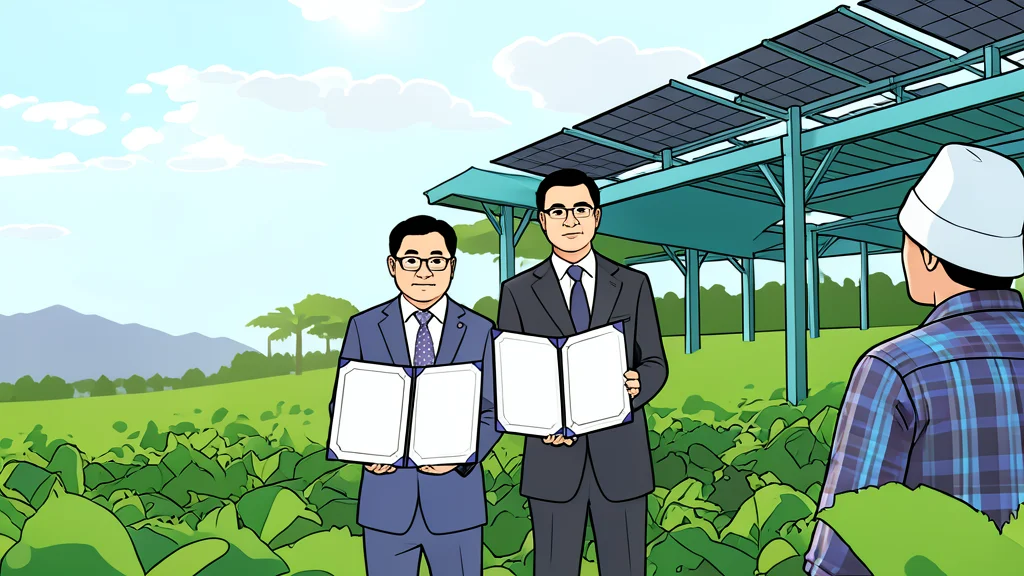
Hanwha Qcells and POSCO signed a pact to build a domestic agrivoltaics ecosystem, targeting South Korea's rural renewable energy needs.
Key points
- Hanwha Qcells and POSCO signed an agreement on October 17 to promote agrivoltaics in South Korea.
- Hanwha Qcells will manufacture specialized modules in Jincheon and handle power purchase agreements.
- POSCO will supply corrosion-resistant structural materials tailored to South Korea's agricultural conditions.
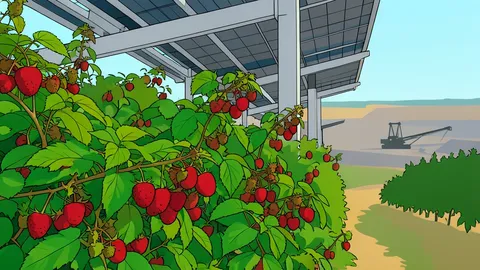
Hanwha Qcells and POSCO have formalized a partnership to develop the agrivoltaics sector in South Korea. The companies signed a memorandum of understanding on October 17, as reported by mk.co.kr, to create a unified industrial ecosystem that combines agricultural production with solar power generation. This collaboration aims to optimize land use by adjusting solar module placement to allow sufficient sunlight for crops while generating electricity from the remainder.
The agreement establishes a framework for joint development of specialized hardware and market solutions. Rather than a simple supply contract, the partnership focuses on building a domestic supply chain. Hanwha Qcells will handle module manufacturing and energy sales, while POSCO provides the necessary structural materials. This division of labor is designed to create a trusted network of local suppliers for farmers and reduce reliance on imported components.
Division of Technical Responsibilities
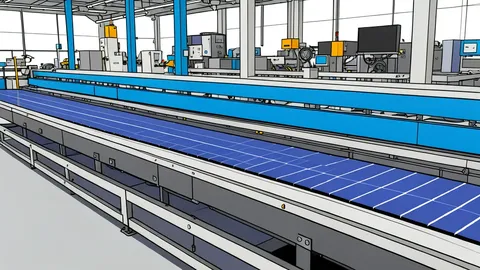
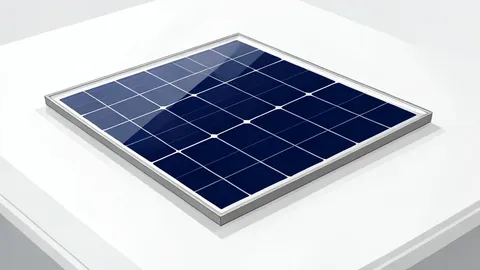
Hanwha Qcells is tasked with producing high-efficiency solar modules specifically engineered for agrivoltaic applications. These units will be manufactured at the company’s Jincheon plant in North Chungcheong Province. The division will also manage the commercial side of the project, including brokering power purchase agreements (PPAs) with corporate buyers and facilitating entry into real-time electricity bidding markets. This ensures that the generated energy has a viable sales pathway.
POSCO’s role centers on material supply, providing structural components designed to resist ground corrosion. These materials are tailored to the specific agricultural conditions of South Korea. By supplying durable, localized steel products, POSCO addresses a key technical barrier in agrivoltaics: the need for infrastructure that withstands outdoor agricultural environments without degrading over time. This complements the optical performance of the solar modules.
Establishing the Shintoburi Alliance
The core strategic output of this agreement is the formation of the Shintoburi Alliance. This entity will serve as a cooperative network for domestic companies, offering an integrated solution that spans financing, equipment procurement, construction, and electricity sales. The alliance is intended to lower the entry barrier for farmers by providing a single-point-of-contact service model. It seeks to standardize the agrivoltaic offering in the domestic market.
Leaders from both firms emphasized the dual benefit of the technology. Yoo Jae-yeol, Head of Korea Business at Hanwha Qcells, described agrivoltaics as a win-win mechanism for expanding renewable energy while improving rural sustainability. Hong Sam-soo, from POSCO’s marketing division, highlighted the importance of developing structural solutions suited to local conditions. This approach positions the alliance as a driver of the national renewable energy transition, leveraging existing industrial capabilities to serve a new market segment.