PG&E Divests 2,060 Acres of Buffer Land to Wildlands Conservancy
Pacific Gas and Electric Company has sold 2,060 acres of coastal buffer land near the Diablo Canyon nuclear plant, a move required by state regulators to extend the facility's operational life.
Pacific Gas and Electric Company has completed the sale of 2,060 acres of wildlands above Avila Beach to the Wildlands Conservancy. The $42 million transaction, funded by the State Coastal Conservancy, converts a restricted buffer zone surrounding the Diablo Canyon Power Plant into a public nature preserve. This asset divestiture eliminates a competing proposal for high-end residential development and establishes the foundation for hiking trails and campsites in the region.
The land transfer serves as a direct regulatory condition for the extension of the nuclear facility's operational license. California state officials mandated that PG&E permanently protect the surrounding lands and provide public access as a prerequisite for extending the plant's life beyond its original 2025 closure date. The facility is now scheduled to operate until 2030, with further extensions under consideration due to high electricity demand.
Regulatory Mandate Drives Land Protection
The acquisition of Wild Cherry Canyon is the first of three major property transfers required to fulfill PG&E's obligations. These transfers are tied to the political decision by Governor Gavin Newsom and the Legislature to keep the nuclear plant online. By converting the land from a corporate buffer to a public trust, PG&E satisfies the state's requirement for permanent conservation and access, thereby securing the regulatory approval necessary for continued energy generation.
The total portfolio of lands involved in this arrangement spans approximately 12,000 acres. This creates a continuous belt of preserved open space stretching from Montaña De Oro State Park to Avila Beach, covering 14 miles of coastline. The state's intervention through the Coastal Conservancy's grant ensures that the land remains protected from private development, aligning PG&E's regulatory compliance with long-term environmental stewardship.
Wildlands Conservancy Manages New Acquisition
The Wildlands Conservancy, a nonprofit based in San Bernardino County, has taken control of the property. The organization plans to prioritize the protection of Native American cultural sites, specifically those of the Northern Chumash Tribe, while developing infrastructure for public recreation. Frazier Haney, the group's executive director, stated that the site will feature a five-to-six-mile loop trail and serve as the initial segment of a larger regional trail network.
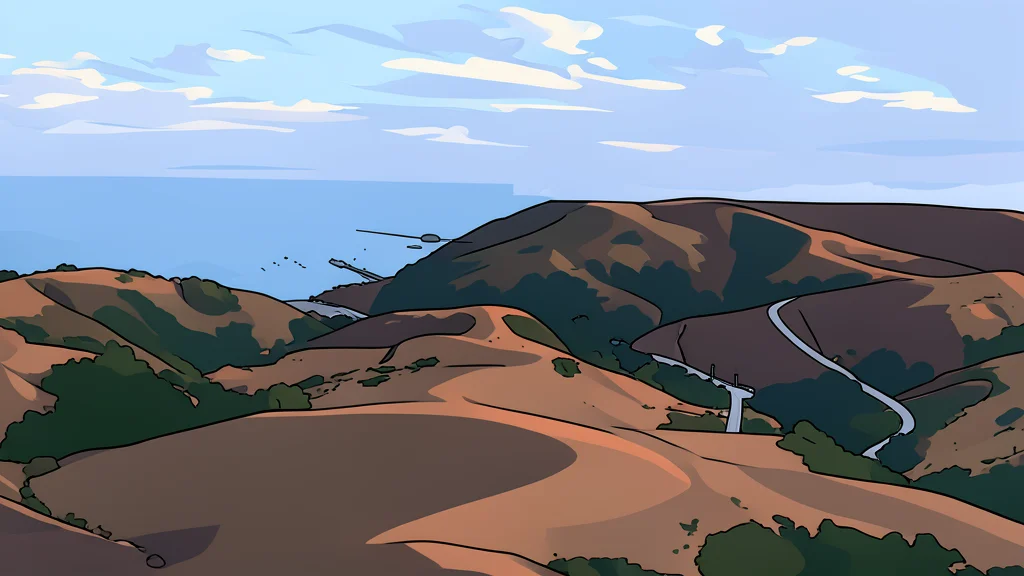
Currently, the land is used for cattle grazing and contains a road leading to the power plant. The transition to a nature preserve will replace these uses with managed public access. The site includes rugged cliffs, sandy beaches, and native oak and pine woodlands, offering a scenic alternative to the previously restricted area. This shift transforms a security buffer into a recreational asset, adding value to the local community without altering the nuclear plant's operational status.
Strategic Context of Nuclear Extension
The deal highlights the intersection of energy policy and land use in California. The decision to extend the Diablo Canyon Power Plant's life was driven by the need to meet high electricity demands and reduce carbon emissions. By linking the plant's extended operation to the conservation of adjacent lands, regulators created a mechanism to protect sensitive coastal ecosystems while maintaining critical power generation capacity.
PG&E's ownership of these lands was a subject of local debate, with residents and leaders advocating for protection over development. The final agreement resolves this conflict by securing the land for public use. The $42 million grant from the State Coastal Conservancy represents one of the agency's largest conservation investments, underscoring the state's commitment to balancing energy infrastructure with environmental preservation in the San Luis Obispo County region.