Meta's 299 Dollar Smart Glasses Tested for Two Months
A two-month trial of Meta’s budget smart glasses reveals a device that prioritizes daily utility over luxury, but users must accept significant limitations in customization and privacy assurance.
Meta has introduced a new category of smart glasses priced at 299 dollars, aiming to make camera-equipped eyewear accessible to a broader audience. Unlike the premium Ray-Ban collaboration, this device strips away luxury branding to focus on core functionality. After wearing the glasses daily for two months, reviewers from GN auto tech/wearables: wearable tech found a product that is surprisingly practical for everyday tasks, yet it comes with distinct trade-offs that potential buyers should understand before purchasing.
The primary appeal lies in the balance between cost and capability. The glasses feature a 12-megapixel ultra-wide camera capable of recording 3K video, along with integrated speakers and six microphones for clear audio. However, the affordability comes at the price of flexibility. Users cannot mix and match lenses with different frames, a limitation that may frustrate those seeking a fully personalized look. The device is designed for utility first, making it a strong option for those who value function over fashion.
Battery Life and Charging Convenience
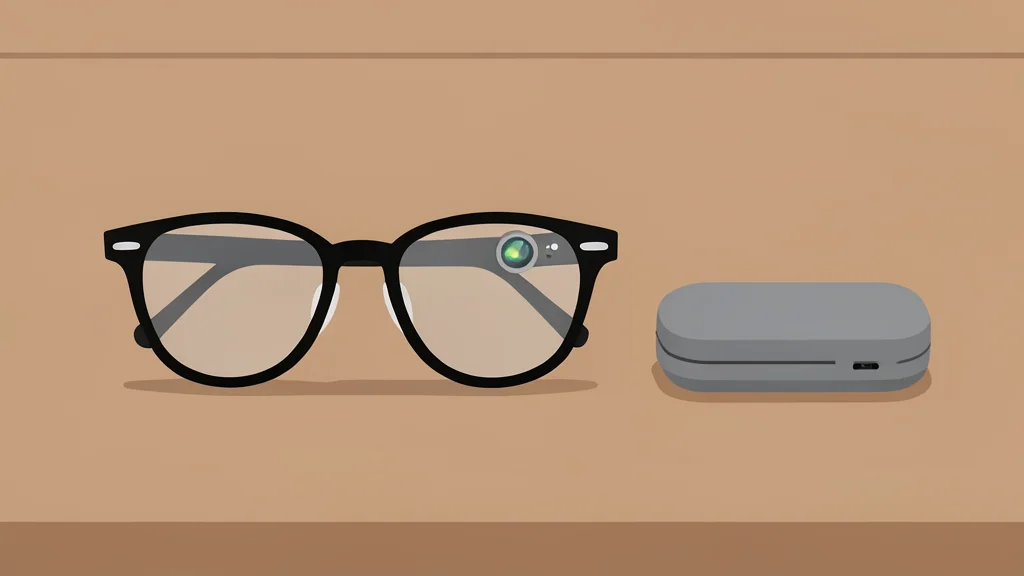
One of the standout practical features is the collapsible charging case. This accessory extends the total battery life to up to 40 hours, which is a significant improvement for users who need the glasses for long days. The lightweight design of both the glasses and the case enhances portability, making them easy to carry in a pocket or bag. This setup addresses one of the most common complaints about wearable tech: the anxiety of running out of power during a day of active use.
The charging solution also contributes to the overall durability of the device. By keeping the glasses secure when not in use, the case helps protect the lenses and the camera mechanism. While the battery performance during active use is solid, it is not without limitations. Heavy video recording will drain the internal battery faster, requiring users to rely on the external case. This is a reasonable trade-off for a device in this price bracket, but it means the glasses are not truly standalone for extended periods without the companion case.
Privacy Indicators and Public Use
Meta has addressed privacy concerns by including tamper-proof LED indicators that light up when the camera is recording. This feature is crucial for building trust, as it provides a clear visual signal to others that they are being recorded. The removal of live-streaming capabilities from this model also helps mitigate some ethical concerns associated with public recording. These measures are a step in the right direction, but they do not eliminate all potential discomforts for bystanders.
Despite these safeguards, the ethical questions surrounding the use of camera glasses in public spaces remain complex. The visual cues help, but they do not stop the recording. Users must be mindful of their surroundings and the expectations of those around them. The design prioritizes the user’s ability to capture moments, but it does not fully resolve the social friction that can arise from constant surveillance. This is a significant consideration for anyone looking to adopt this technology for daily wear.
Limited Customization Options Remain
The glasses come in three distinct frame styles: Fury, Adventurer, and Starfire Kylie edition. Each style offers specific lens options, including polarized, transition, and prescription lenses. While this provides a decent range of choices, the inability to customize the combination of frame and lens is a notable drawback. Users are limited to the specific pairings offered by Meta, which can be restrictive for those with specific aesthetic or functional requirements.
This lack of personalization is a deliberate design choice to keep costs down. By standardizing the components, Meta can offer a lower price point than competitors. However, for consumers who value the ability to tailor their eyewear to their exact needs, this limitation may be a deal-breaker. The device is best suited for users who prioritize ease of use and affordability over the flexibility to customize every aspect of their eyewear.