Switch Mobility Targets 30% Electric Bus Market Share by 2030
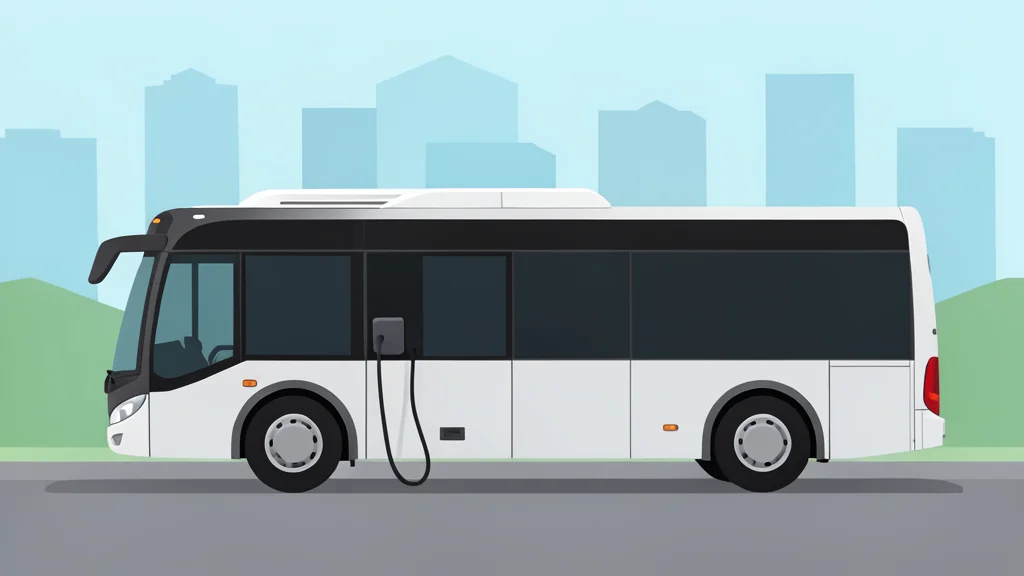
Switch Mobility aims to capture a significant slice of India's growing electric bus market, targeting a 30% penetration rate by fiscal year 2030. The company is scaling production to over 5,000 units annually to meet rising demand for sustainable urban transport.
Switch Mobility is positioning itself as a major player in India’s transition to electric public transport. CEO Ganesh Mani stated that the company expects electric bus adoption in cities to reach 30% by the end of fiscal year 2030. This projection reflects a broader shift in urban mobility, where authorities and operators are increasingly prioritizing zero-emission vehicles to reduce pollution and operational costs.
To support this growth, the manufacturer has expanded its production capabilities to handle more than 5,000 buses per year. This increase in capacity allows the company to respond more quickly to orders from municipal bodies and private fleet operators. The expansion is part of a broader strategy to secure a larger market share as competitors also ramp up their electric vehicle output in the region.
Cost parity drives adoption
A critical barrier to electric bus adoption has historically been the higher upfront cost compared to diesel counterparts. Mani emphasized that achieving total cost of ownership parity is the key to accelerating market penetration. When the savings on fuel and maintenance over the vehicle's lifespan offset the initial premium, operators become more willing to switch. This economic shift is currently gaining traction in several Indian cities.
According to reporting by GN technics/ev (en-US), financing models and battery leasing options are also playing a role in making these vehicles more accessible. By lowering the capital expenditure required to purchase the fleet, operators can manage their budgets more effectively. This financial flexibility is crucial for smaller transport companies that may not have the cash reserves for large upfront investments.
Infrastructure and product expansion
The rollout of electric buses is closely tied to the development of charging infrastructure. Mani noted that reliable and fast-charging networks are essential for maintaining service efficiency. Without adequate charging stations, range anxiety and downtime can undermine the reliability of electric fleets. The company is working to ensure that its vehicles are compatible with the evolving infrastructure landscape in India.
Switch Mobility is also broadening its product lineup to suit different urban needs. The portfolio now includes 9-metre and 12-metre electric buses, offering operators flexibility in route planning and passenger capacity. This variety allows the company to serve both dense city centers and suburban corridors. The company also has plans to develop application-focused electric buses tailored for specific transport requirements.
Export ambitions and dealer network
Beyond the domestic market, Switch Mobility is eyeing international opportunities. The company is expanding its dealer network to support customer service and maintenance, which is vital for building long-term confidence in electric vehicles. Mani highlighted that strong after-sales support is a differentiator in a market where trust in new technology is still being established.
The company’s export strategy aims to leverage its manufacturing expertise to compete in other emerging markets. By establishing a robust supply chain and quality control processes, Switch Mobility is preparing to ship vehicles abroad. This global focus could help offset any slowdowns in the domestic market and provide a more stable revenue stream for the company.