Xpeng Expands Tech Licensing Beyond Volkswagen
The Chinese EV maker is moving to sell its software and AI chips to other automakers, aiming to offset shrinking car margins.
Xpeng is preparing to sell its core vehicle technology to manufacturers other than Volkswagen. According to reports citing industry sources, the company is in active discussions with potential partners who want access to its modern vehicle architecture. This move represents a strategic shift from simply selling cars to licensing the underlying software and electronics that power them.
The goal is to create new revenue streams in a market where price wars have squeezed profits. By offering its technical portfolio to external clients, Xpeng aims to diversify its income. This approach allows the company to monetize its research and development efforts without bearing the full cost of manufacturing additional vehicles.
Core tech becomes a product
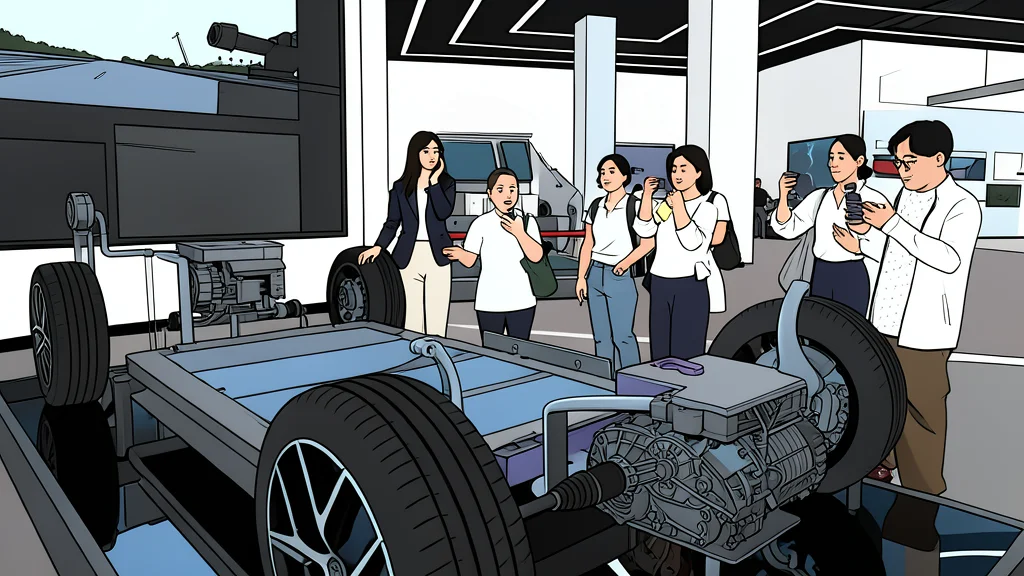
The specific technologies up for licensing include electrical and electronic architectures, intelligent cockpit systems, and advanced driver assistance software. Xpeng also plans to offer its Turing AI chips, which process data for these autonomous features. The target market extends beyond traditional carmakers to include foreign software developers and automotive suppliers looking to upgrade their own systems.
This strategy relies on the value of Xpeng’s integrated platform. Rather than selling individual parts, the company is offering a cohesive suite of technologies. For buyers, this could mean faster development cycles for their own electric vehicles, as they can adopt a proven stack rather than building one from scratch.
Expanding into physical AI
Beyond standard cars, Xpeng is looking to license its technology for what it calls Physical AI. This includes applications for robotaxis, humanoid robots, and the operational management of autonomous fleets. The company established a strategic commercialization team six months ago to build these new partnerships, drawing on experience gained from its existing alliances.
This expansion signals a broader push into automation services. By opening up its technology for use in non-vehicle contexts, Xpeng creates additional markets for its AI capabilities. However, this also increases the complexity of its business, as it must now support a wider variety of hardware and software environments.
Financial pressure drives change
The push for licensing revenue comes as the traditional vehicle business faces intense pressure. Shrinking margins and fierce competition in the Chinese market have made selling cars less profitable. In contrast, the services segment has seen strong growth, with revenue increasing by nearly 94 percent in the second quarter of 2026.
Much of this growth is attributed to development services for Volkswagen, a partnership formed in 2023. The first joint vehicles, including the ID.UNYX 08, are set to launch in China. By broadening this model to other international customers, Xpeng aims to secure a high-margin business line that is less vulnerable to the price fluctuations affecting the automotive industry.