Proposed Law Would Mandate AM Radio in New Cars
A bipartisan bill moving through Congress aims to reverse the industry trend of removing AM radio from new vehicles, citing emergency preparedness needs despite significant cost concerns from automakers.
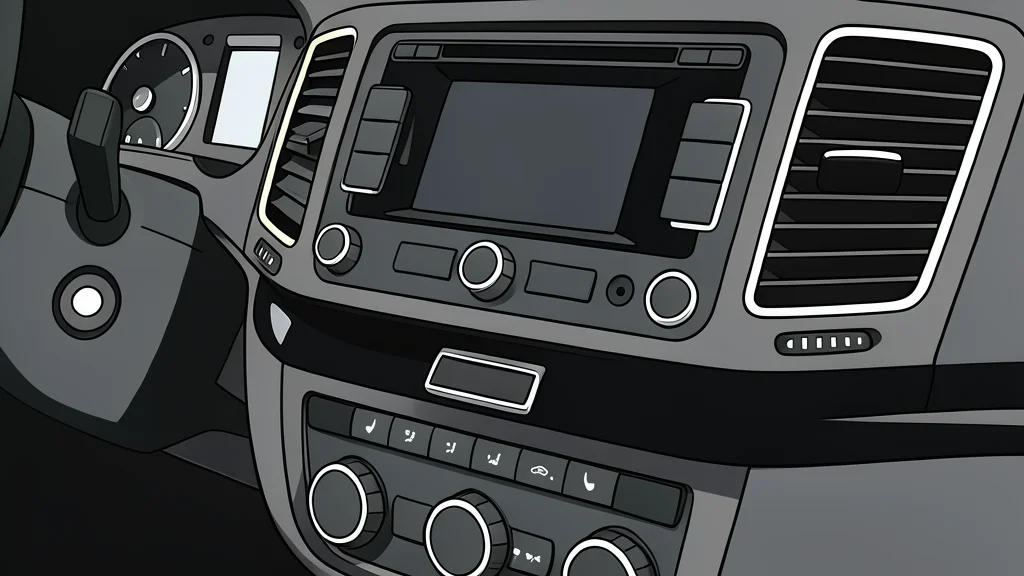
AM radio has been quietly disappearing from new vehicles, but a proposed federal law could force its return as standard equipment. The U.S. House of Representatives recently approved the AM Radio for Every Vehicle Act by voice vote, a move that signals strong congressional support for keeping this legacy technology accessible to all drivers. If enacted, the legislation would require manufacturers to include AM reception in new cars, trucks, and SUVs, preventing them from hiding the feature behind optional packages or subscription services.
The push for this mandate comes at a time when the automotive industry is rapidly shifting toward electric powertrains. This transition has created a specific technical challenge that has divided policymakers and industry leaders. While supporters view AM radio as a critical lifeline during disasters, automakers argue that retrofitting or designing vehicles to handle the technology is becoming increasingly difficult and expensive in the context of modern electric architecture.
Electric Motors Create Interference Problems
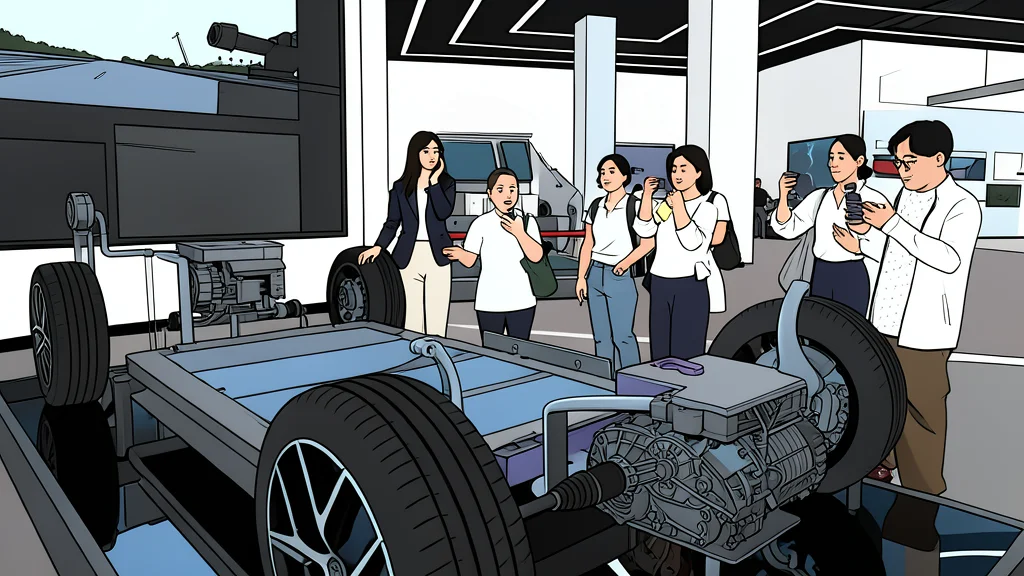
The core of the technical dispute lies in how electric vehicles generate power. High-voltage components and electric motors can produce unwanted static on AM frequencies, degrading signal quality. According to reporting from GN auto tech/ev: electric vehicle, automakers argue that addressing this interference requires additional shielding and filtering systems. These hardware additions are not just a matter of software updates; they involve physical changes to the vehicle's design that can increase production costs significantly, particularly as the share of electric vehicles in the market grows.
Industry groups, including the Alliance for Automotive Innovation, have pushed back against the mandate, suggesting that the financial burden could reach billions of dollars. They contend that drivers already have robust alternatives for receiving emergency information, such as FM radio, satellite systems, and smartphone connectivity. By removing AM radio, manufacturers have often streamlined their hardware, but the proposed law would effectively reverse those efficiency gains to ensure redundancy in communication methods.
Emergency Preparedness Drives Support
Proponents of the bill argue that AM radio remains one of the most reliable ways to receive critical information during severe weather events like hurricanes, tornadoes, and wildfires. Unlike digital services, AM broadcasts do not require a data connection, a functioning cellular tower, or a paid subscription. In scenarios where power grids fail and mobile networks are overwhelmed or disabled, a simple AM radio can still deliver life-saving updates directly to the listener, making it a vital component of public safety infrastructure.
Legislative Path and Compliance Timeline
The bill now moves to the Senate, where a companion measure has already cleared the Commerce Committee with broad bipartisan support. If both chambers pass identical legislation, it will go to the President for signature. Once enacted, the Department of Transportation would have one year to write the necessary regulations. Major automakers would then have up to two years to comply, while smaller manufacturers would receive at least four years to adjust their production lines.
The law also includes an eight-year sunset provision, meaning the mandate is not intended to be permanent. During the transition period, manufacturers would be required to inform buyers if a vehicle lacks AM reception and would be prohibited from charging extra fees for access to the service. This temporary approach reflects a compromise, acknowledging the current utility of AM radio while allowing the industry time to adapt its technology and cost structures.