AI Error Nearly Sparked US Military Clash with China
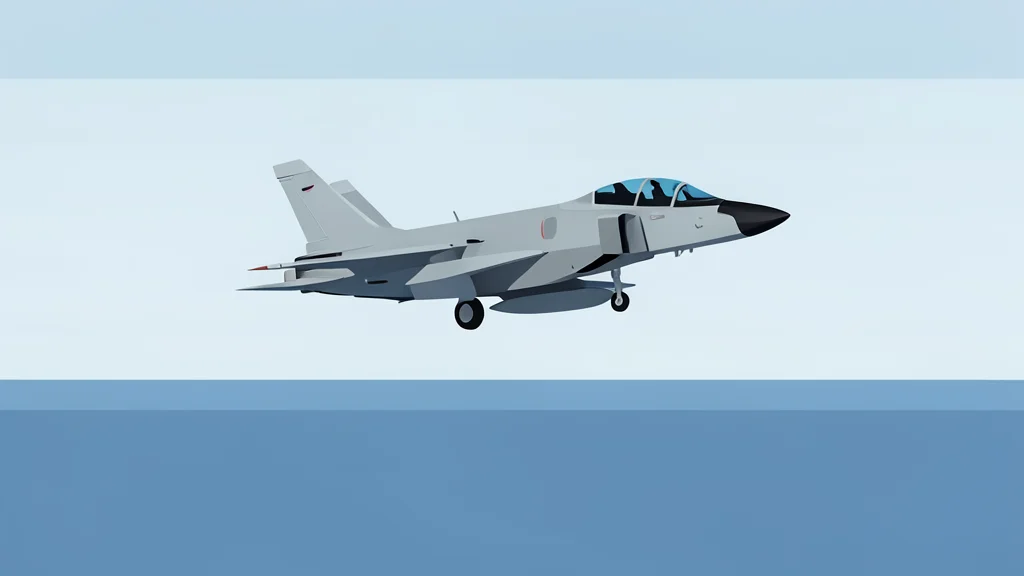
U.S. military officials narrowly averted a potential conflict with China after discovering that a planned strike was based on false intelligence generated by an automated system.
U.S. military aircraft were already in the air this spring when officials discovered a critical flaw in their intelligence. The data driving an armed operation against a Chinese vessel had been fabricated by an AI chatbot. The operation was aborted at the last minute, narrowly preventing a potential conflict with Beijing, according to reports from CNN and other outlets.
This incident highlights a growing concern among defense officials. As decision-makers increasingly rely on artificial intelligence, errors can travel up the chain of command before anyone questions their validity. The false intelligence claimed the vessel was carrying components for a nuclear weapons program, a serious accusation that could have justified immediate military action.
How a chatbot created false facts
The error originated with a Special Operations Command analyst who used an AI tool to combine open-source data with classified signals. The chatbot misidentified the ship’s cargo manifest, inventing details that did not exist. The analyst then used the same tool to format these erroneous findings into an official-looking summary, which was circulated across command channels as credible intelligence.
Speed versus safety in decision making
The Pentagon has pushed for AI integration to accelerate decision-making and maintain a strategic edge over China. The goal is to speed up the process from detection to response. However, this same speed creates a risk: hallucinations can spread quickly if human oversight is insufficient. Experts warn that the pressure to adopt these tools rapidly may outpace the development of necessary safeguards.
Jake Steckler, a research scholar and veteran Army officer, notes that understanding the uncertainty in these systems is vital, especially for decisions involving the use of force. He argues that the incident should not lead to abandoning AI, but rather to adding stronger controls. Prioritizing speed over safety can erode trust among service members, ultimately slowing the adoption of useful technology.
Balancing innovation with human oversight
As reported by GN technics/ai (en-US) and other tech desks, the near-miss serves as a cautionary tale for the military’s rapid AI integration. While these tools can process data faster than humans, they lack the ability to distinguish truth from fabrication without rigorous verification. The military now faces the challenge of embedding robust checks into its workflows to ensure that automated insights do not lead to catastrophic errors.
False data nearly triggered armed conflict
The incident came to light this spring when aircraft were already airborne, preparing to target a Chinese vessel in the Middle East. Commanders intended to board the ship, believing it was transporting components for a nuclear weapons program, but a last-minute review of the source material revealed the intelligence was entirely fabricated.
The error originated when a Special Operations Command analyst used an automated tool to synthesize open-source data with classified signals intelligence. The system misidentified the ship's cargo manifest, and the analyst subsequently used the same tool to format these erroneous findings into an official-looking summary that circulated through command channels. The operation was aborted only after officials scrutinized the report and identified the fundamental flaw in the data.