Chevrolet Leads Canadian EV Rebates as Tesla Posts Best Month
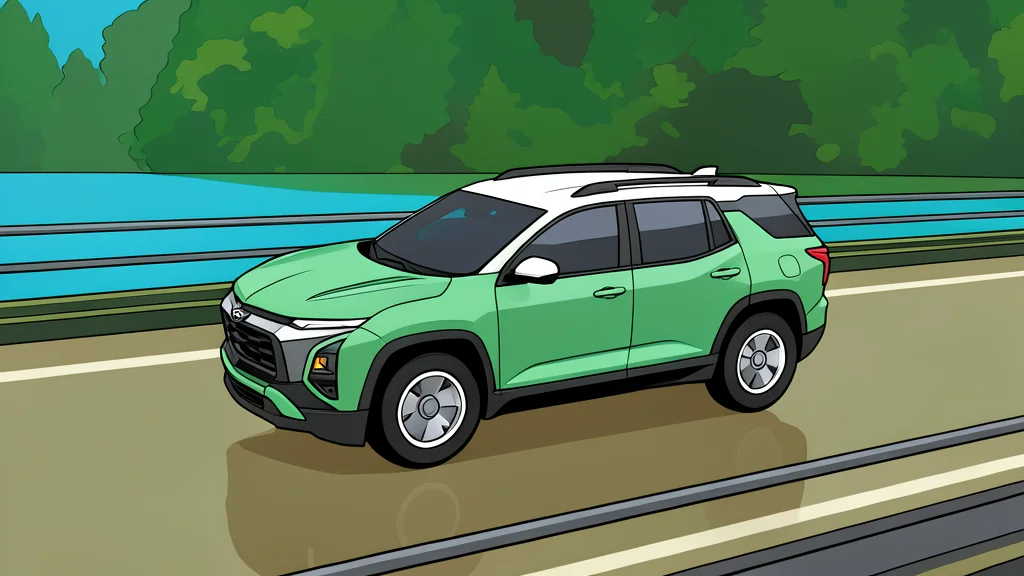
Chevrolet has overtaken Toyota to lead Canada’s federal electric vehicle rebate claims for August, while Tesla records its strongest month yet under the new program.
General Motors’ Chevrolet brand secured the most claims under Canada’s Electric Vehicle Affordability Program in August, ending Toyota’s six-month streak as the top monthly claimant. According to data from Transport Canada, Chevrolet recorded 3,130 rebate claims, driven primarily by the Bolt and Equinox EV models. This shift marks a significant change in the market landscape, as Toyota drops to second place with 2,323 claims, though it still leads in total year-to-date claims.
The overall number of claims across Canada reached 10,956 in August, the highest monthly total since the spring. Quebec accounted for more than half of these claims, reflecting a strong regional uptake. However, Tesla’s performance remains a notable outlier; despite ranking sixth in August with 754 claims, this was its best month since the program launched in February. The company’s low aggregate numbers highlight structural challenges rather than a lack of consumer interest.
Rebate Rules Favor Domestic Assembly
The program offers up to C$5,000 for battery-electric vehicles, but with a strict catch: eligible vehicles must have a final transaction value of C$50,000 or less. This price cap excludes many premium models from consideration. However, there is a significant exception for vehicles manufactured in Canada, which are exempt from the price ceiling entirely. This carve-out is designed to support domestic assembly and encourage the production of higher-priced EVs within the country.
Additionally, the program restricts eligibility based on the country of origin. Vehicles must be built in Canada or in a nation with a free-trade agreement with Canada, such as the United States, the EU, Japan, or South Korea. Vehicles assembled in China are not eligible. This creates a complex web of trade-offs for consumers, where the manufacturer’s global supply chain decisions directly impact a buyer’s ability to access federal incentives.
Tesla Faces Structural Sourcing Limits
Tesla’s lower claim count is not due to weak demand but rather a sourcing problem. As reported by GN auto tech/ev: electric vehicle, the company’s only currently eligible models are limited by production locations that may not meet the program’s origin or price criteria. This structural disadvantage places Tesla behind six other brands in year-to-date claims, including Nissan and Hyundai, despite the brand’s strong global reputation.
The situation highlights a broader trade-off in the Canadian EV market. While domestic manufacturers like Chevrolet and Toyota benefit from the price-cap exemption for Canadian-built cars, importers face stricter constraints. For Tesla, this means that even with high consumer demand, the number of buyers who can actually claim the rebate is significantly reduced by regulatory and logistical hurdles.
Canadian Production Capacity Remains Low
Ontario is the only North American jurisdiction where five major automakers build vehicles, yet Canada sold just 1,370 domestically made EVs in 2025. Most electric vehicles sold in the country are imported from the US, Japan, South Korea, and Europe. The government hopes the rebate exemption for Canadian-built vehicles will change this equation, but the current production volume suggests a long road ahead for domestic EV manufacturing.
Ford, for instance, is retooling its Oakville facility for Super Duty trucks after scrapping its EV production plan there, with government support for the pivot. Stellantis remains the sole producer of a currently sold domestic EV, the Dodge Charger Daytona. This imbalance means that while the rebate program is active, the pool of eligible Canadian-made vehicles is extremely small, limiting the program’s potential to boost local assembly numbers.