SpaceX Aims to Orbit Its Giant Starship Rocket in September 2026
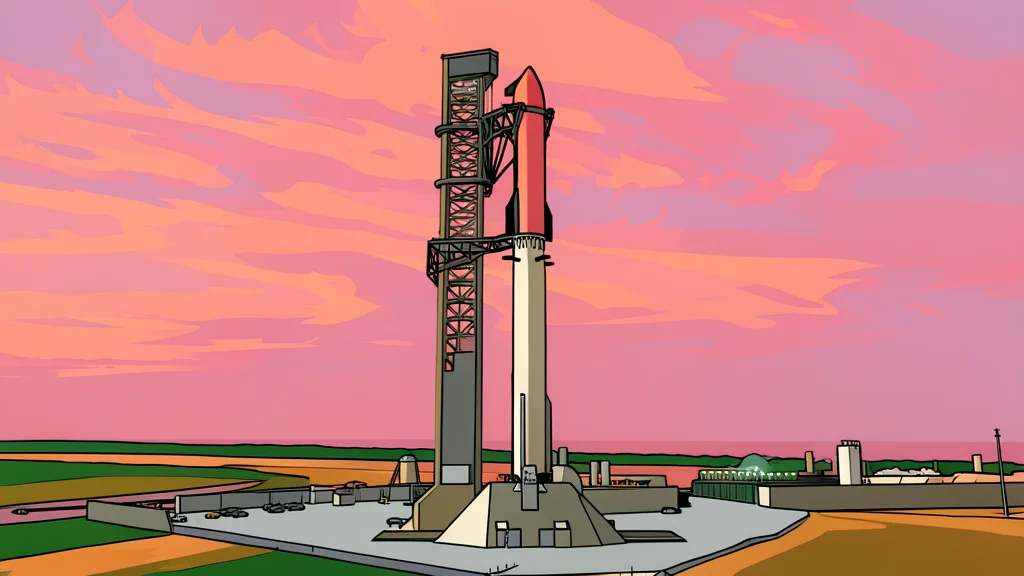
SpaceX is preparing for a pivotal test that will take its massive Starship vehicle into orbit for the first time, a critical step for both satellite delivery and future lunar missions.
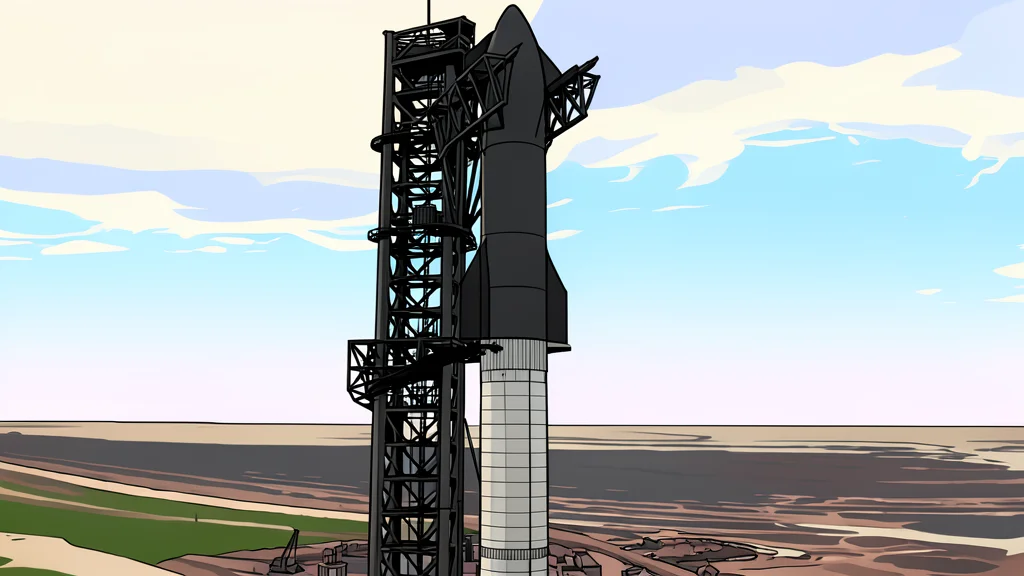
SpaceX is preparing for a milestone it has not yet achieved: sending its giant Starship spacecraft into orbit and bringing it back down after a long-duration flight. The 14th test flight, currently targeted for September 28, 2026, is expected to last around ten hours and involve six trips around Earth. This mission marks a significant shift from previous suborbital tests, where the vehicle simply went up and came back down without circling the planet.
The stakes are high for both SpaceX’s commercial operations and NASA’s Artemis program. Starship is being developed as the Human Landing System for future lunar missions, meaning its reliability is essential for sending astronauts to the Moon. Additionally, the launch will carry 26 next-generation Starlink V3 satellites, demonstrating the vehicle's ability to deploy large payloads. According to GN auto tech/space, this deployment represents a crucial validation of Starship’s role in expanding satellite internet coverage.
A reusable system for lower costs
Starship is designed to be fully reusable, unlike conventional rockets that are largely discarded after launch. The system consists of two main parts: Super Heavy, the massive first-stage booster, and the Starship upper stage. If both components can be recovered and flown again, SpaceX could launch more frequently and significantly reduce the cost of transporting cargo to space. This economic model is central to the company's long-term vision for space exploration and commercial operations.
The vehicle is one of the largest rockets ever built, with the full stack standing over 124 meters tall. The upper stage alone is roughly the height of a 17-story building. For Flight 14, the plan is for the upper stage to reach an altitude of about 275 kilometers, complete six orbits, and then re-enter the atmosphere for a planned splashdown in the Pacific Ocean. This extended flight time and orbital profile are new challenges for the spacecraft, testing its thermal protection and guidance systems in a way previous tests did not.
What the test will not attempt
Despite the mission's importance, SpaceX is not trying to demonstrate every capability at once. There is no plan to catch the Starship upper stage with the launch tower’s mechanical arms, a technique previously used for Super Heavy boosters. Instead, both stages will splash down in the ocean. Orbital propellant transfer, another key technology for future Moon and Mars missions, is also not the primary focus of this flight. By limiting the scope, SpaceX aims to isolate and validate the orbital flight profile without the added complexity of other high-risk maneuvers.
Satellite deployment as a key goal
The inclusion of 26 Starlink V3 satellites makes this flight a critical test for SpaceX’s satellite business. Successfully releasing these payloads in orbit will prove that Starship can serve as a reliable workhorse for deploying next-generation internet infrastructure. This capability is essential for scaling up the Starlink network and supporting other commercial customers who rely on large-launch vehicles for their satellite constellations.
The trade-off in this approach is that SpaceX is prioritizing proof of orbital mechanics and payload delivery over demonstrating full reusability of the upper stage. While the company has shown it can catch the booster, the upper stage’s recovery remains unproven in an orbital context. Successfully completing Flight 14 will provide the confidence needed to push forward with more ambitious tests, including propellant transfer and tower catches of the ship, in subsequent missions.