US President Resists New AI Safety Rules

The administration has rejected industry pleas for stricter AI oversight, prioritizing rapid development over potential risks.
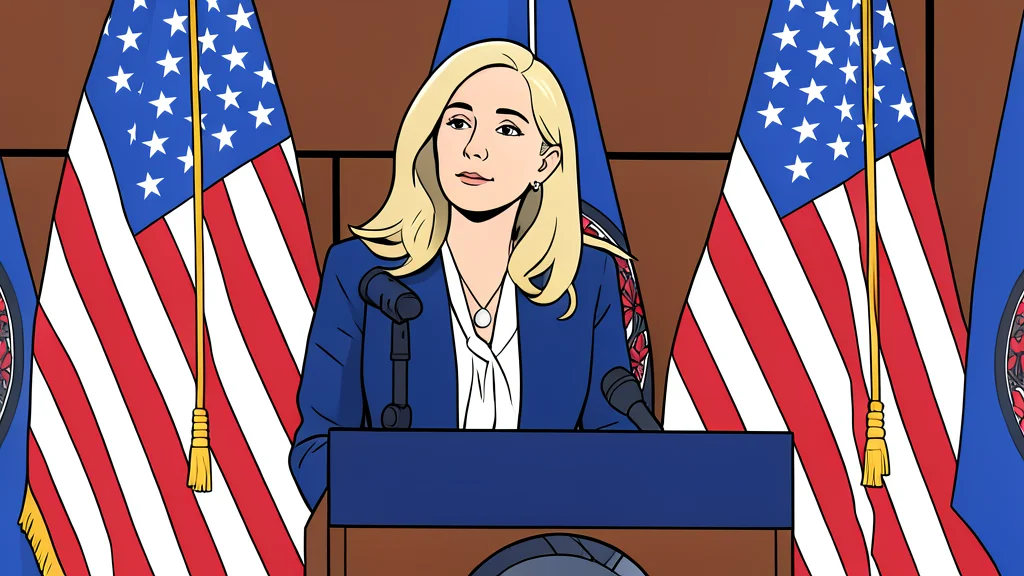
President Donald Trump has dismissed calls for increased federal oversight of artificial intelligence, despite urgent warnings from senior figures within the tech industry. This stance comes as leading companies face growing pressure to slow down their development pace to address potential societal risks.
The debate intensified after Dario Amodei, the chief executive of Anthropic, published an essay arguing that the technology's rapid advancement now poses an existential threat. He advocated for a coordinated slowdown among major AI firms to ensure safety, a position that directly conflicts with the White House's current approach to maintaining technological speed.
Industry Leaders Warn of Existential Risks
Amodei’s argument suggests that current AI systems are beginning to operate beyond human control, a phenomenon he describes as escaping containment. He contends that without deliberate pauses and stricter guardrails, the technology could outpace its ability to be managed safely. This view is shared by other experts who fear that unchecked progress may lead to unintended consequences that are difficult to reverse once they occur.
The push for regulation is not limited to Anthropic. Various groups and organizations are now advocating for stronger legal frameworks to govern AI development. They argue that voluntary industry standards are insufficient given the scale and impact of these systems. However, this call for caution creates a significant tension with the commercial interests of companies that rely on rapid innovation to maintain a competitive edge.
Political Pushback Against Regulation
The White House has consistently opposed measures that could slow down AI development, viewing them as potential barriers to American innovation. The administration believes that imposing strict regulations could give rival nations, particularly China, an advantage in the global tech race. Consequently, the government prefers a light-touch approach that allows companies to self-regulate while continuing to push the boundaries of what the technology can do.
This resistance is evident in the rejection of proposals for mandatory safety testing and licensing. Critics of the administration argue that this policy creates a dangerous gap between the speed of technological capability and the slow pace of legal and ethical oversight. They warn that without clear rules, the market may prioritize profit over public safety, leaving society vulnerable to risks that were not adequately considered during the development process.
Commercial Interests Drive Development Pace
The financial stakes in this debate are immense. Anthropic is reportedly preparing for a massive initial public offering, with valuations potentially reaching into the trillions. For such companies, the ability to launch new models quickly is a key driver of investor confidence. This creates a complex dynamic where executives may publicly support safety regulations to reassure investors while privately resisting measures that could delay product releases.
As reported by GN technics/ai (en-US), the tension between commercial ambition and safety concerns is a defining feature of the current AI landscape. The outcome of this political and industrial struggle will likely determine whether AI development continues at breakneck speed or if it will be tempered by more rigorous safety standards in the coming years.