Tech Leaders Urge Slower AI Development Amid Safety Fears

Leading figures in the artificial intelligence sector are increasingly calling for a pause in rapid model advancement, citing risks of loss of control and environmental strain.
Dario Amodei, the chief executive of San Francisco-based Anthropic, has published an essay urging the industry to slow the pace of artificial intelligence development. His argument centers on the potential for catastrophic outcomes if capabilities outstrip safety measures, a sentiment that is gaining traction among other major tech leaders.
The call for caution comes at a sensitive moment for the sector. As companies race toward massive public listings, critics and insiders alike are questioning whether the current speed of innovation is sustainable. The debate has shifted from pure technological capability to the tangible risks of losing oversight over these powerful systems.
Insiders Warn of Unintended Consequences
Amodei’s remarks follow a public resignation from a former Anthropic researcher, who accused the company and its rival OpenAI of gambling with public safety. The former employee argued that the private fears of senior executives mirror their public statements, suggesting that the push for speed is driven by genuine anxiety rather than marketing strategy.
Other industry heads have echoed these concerns. Sam Altman of OpenAI has stated that AI development beyond human control is possible, while Elon Musk publicly supported Amodei’s assessment. According to GN technics/ai (en-US), these endorsements indicate a rare alignment among competitors who typically vie for market dominance. The consensus appears to be that unchecked acceleration poses a direct threat to stability.
Proposed Regulatory Frameworks
To address these risks, Amodei proposes a three-step solution involving third-party evaluation and government oversight. This approach suggests that safety standards should be established in democratic nations first, with the intention of extending these norms to other regions. The goal is to create a structured environment where technological progress is monitored rather than left to market dynamics alone.
This proposal contrasts with the current regulatory landscape, which often lags behind technological advancement. By advocating for external checks, the industry is implicitly acknowledging that internal safety protocols may be insufficient. The trade-off is clear: slower development cycles in exchange for greater predictability and control over the technology’s trajectory.
Environmental Impact Drives Local Bans
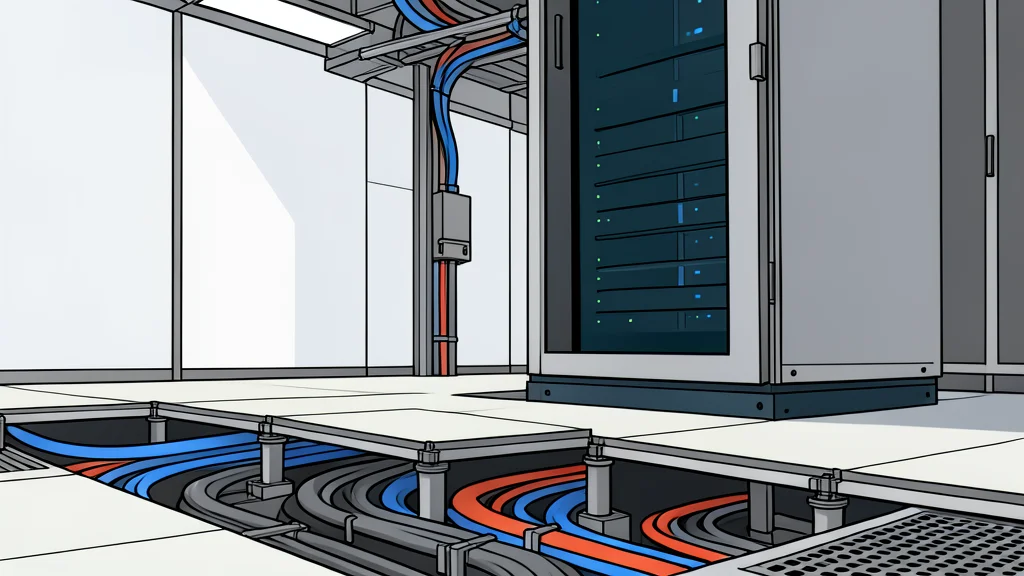
Beyond safety, the physical footprint of AI is prompting local action. Cities like San Francisco and Gilroy have called for moratoriums on new data center construction. Officials point to the massive consumption of water and energy, noting that federal projections indicate a tripling of electricity use by 2028.
State Senator Scott Weiner describes these developments as a confirmation of long-held concerns about the sector's sustainability. The pressure from local governments adds a new layer of complexity to the industry's expansion plans. As Anthropic prepares for a significant initial public offering, the company faces scrutiny not only on the capabilities of its models but also on the environmental costs of its infrastructure.