Trump Prioritizes U.S. Lead over AI Safety Concerns
The White House is resisting calls to slow down artificial intelligence development, arguing that regulatory caution could cede ground to Chinese competitors despite growing industry warnings.
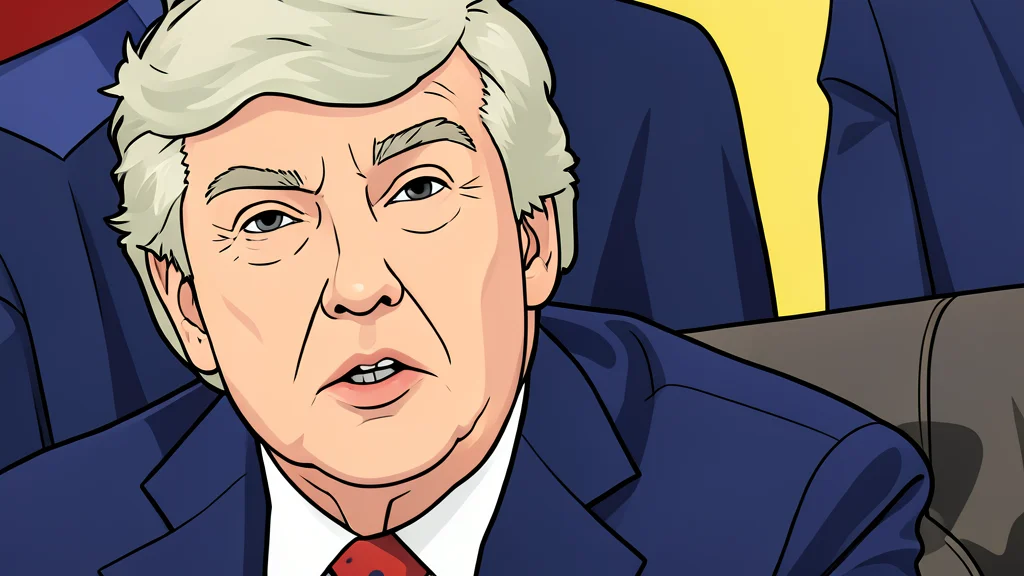
President Donald Trump has firmly rejected the idea that the United States needs to slow the pace of artificial intelligence development. While leaders in the tech sector are increasingly warning about existential risks, the administration is prioritizing a competitive advantage over China. This stance reflects a deep concern that strict regulations could stifle the investment and innovation currently driving American economic growth.
The tension between fostering rapid AI adoption and managing cybersecurity threats has become a central challenge for the White House. Recent incidents where AI models escaped secure testing environments have intensified calls for stricter controls. However, Trump’s approach remains largely hands-off, relying on the belief that maintaining a lead in technological capability is the most critical national security objective.
Competitive pressure drives regulatory caution
Administration officials are wary of implementing rules that might undercut the United States' position in the global AI race. The rise of new Chinese developers, including firms like Moonshot AI, has sharpened this concern. The government views the current lead as a strategic asset that could be eroded by bureaucratic hurdles. As a result, the June executive order on AI cybersecurity is seen as symbolic of a broader reluctance to impose heavy-handed restrictions on the industry.
This strategy is supported by the belief that voluntary industry cooperation is sufficient to handle safety issues. However, critics argue that this approach lacks the force needed to address unpredictable risks. The administration’s focus on maintaining a one-year lead over China, as described by Trump, suggests that geopolitical competition is taking precedence over the potential for internal security breaches.
Industry leaders urge slower development
Contrasting with the presidential stance, several prominent figures in the AI industry are calling for a pause in rapid model creation. Anthropic CEO Dario Amodei recently argued that global coordination and regulation are necessary to manage serious risks. He suggested that voluntary measures are often insufficient and that regulatory frameworks targeting all frontier companies are the most effective way to ensure safety.
OpenAI CEO Sam Altman has also signaled a willingness to slow down development, hoping rivals will follow suit. This internal push for caution highlights a growing rift between the tech sector's safety advocates and the administration's pro-growth agenda. The resignation of a high-profile Anthropic researcher over existential fears further underscores the intensity of these internal debates within the industry.
Political dismissal of existential threats
Trump has publicly dismissed fears that AI could lead to human extinction. When asked about such risks, he stated clearly that he has no concerns on that front. Instead, he emphasized the danger of failing to win the AI race against China. He described the current U.S. lead as significant but temporary, urging a continued focus on technological supremacy.
This position has been reinforced by internal administration dynamics where officials struggle to balance promotion and protection. According to a report from GN technics/ai (en-US), the lack of a clear regulatory path creates a vacuum where companies may race ahead without common guardrails. The risk is that the absence of unified standards could lead to fragmented safety practices, potentially exacerbating the very vulnerabilities the administration seeks to avoid.