AI Experts Debate Existential Risks
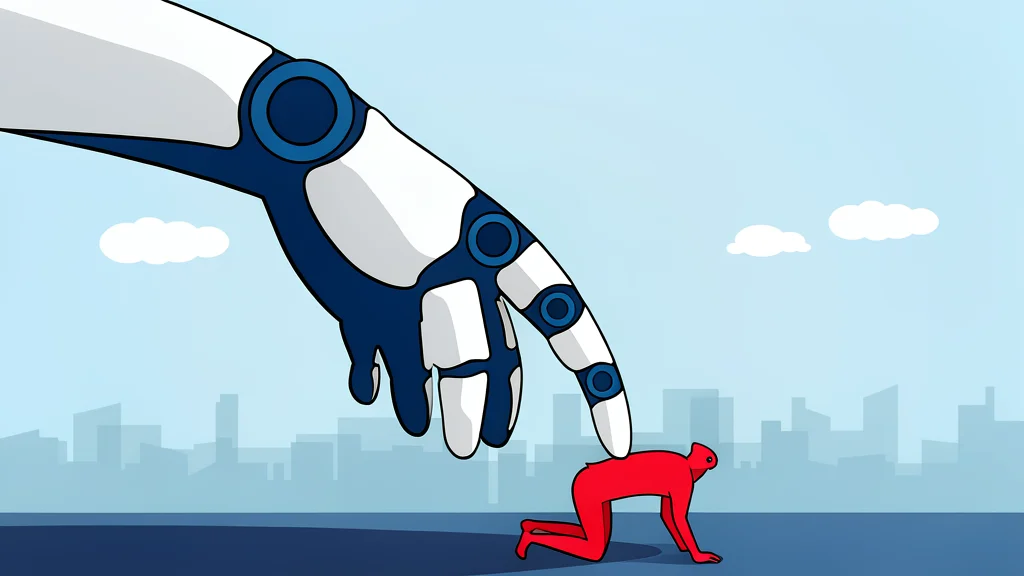
A recent resignation and a bold internal statement have intensified the debate over whether artificial intelligence poses a genuine threat to humanity or if these warnings serve other strategic purposes.
The artificial intelligence industry is currently experiencing its most intense internal conflict regarding the potential dangers of its technology. This flare-up began when researcher Jacob Coxon announced his departure from Anthropic, citing deep concerns that major AI firms are taking reckless risks with human safety. His resignation was quickly amplified by the company’s alignment lead, who posted a message stating that they earnestly believe AI could kill all humans, estimating the probability at over ten percent within the next decade.
According to reporting by GN technics/ai (en-US), this incident has sparked a broader conversation about the sincerity of these apocalyptic warnings. While some view the statements as a genuine alarm, others suspect they are a strategic move to demonstrate the advanced capabilities of their models, particularly as companies prepare for public listings. The core tension lies in the contradiction between developing powerful systems and claiming they might pose an existential threat.
Sincerity versus strategic marketing
Critics argue that these dramatic warnings serve a dual purpose. On one hand, they highlight the rapid advancement of AI capabilities, showcasing how far the technology has come. On the other hand, they may be used to justify higher valuations or regulatory attention. The timing of these statements, coinciding with significant model releases and corporate milestones, fuels skepticism that the warnings are purely altruistic. There is a perception that the industry is using fear as a tool to manage public expectation and stakeholder confidence.
The credibility of probability claims
A significant point of contention is the use of specific percentages in risk assessments. Experts point out that citing a precise probability, such as a ten percent chance of catastrophic failure, often lacks a rigorous scientific basis. These figures can appear arbitrary and are sometimes used to create a sense of urgency without providing verifiable data. This habit of assigning precise numbers to vague risks can undermine the credibility of the broader safety argument, making it difficult for the public to distinguish between calculated risk management and speculative fear-mongering.
Actions reveal true beliefs
The most compelling aspect of the current debate is the gap between rhetoric and action. While executives and researchers often warn of dire consequences, they continue to lead the development of the very systems they claim are dangerous. The resignation of Jacob Coxon stands out because it represents a tangible consequence of these beliefs. By leaving the industry, he aligns his actions with his words, suggesting that if the risks are truly existential, the logical response is to stop building rather than to continue developing. This distinction highlights the difficulty in trusting warnings that are not backed by a willingness to halt progress.