AI Industry Money Targets Safe Senate Seat

Major AI-backed super PACs have funneled nearly a million dollars into a safe Republican Senate race in South Dakota, prioritizing the election of a friendly ally over local campaign needs.
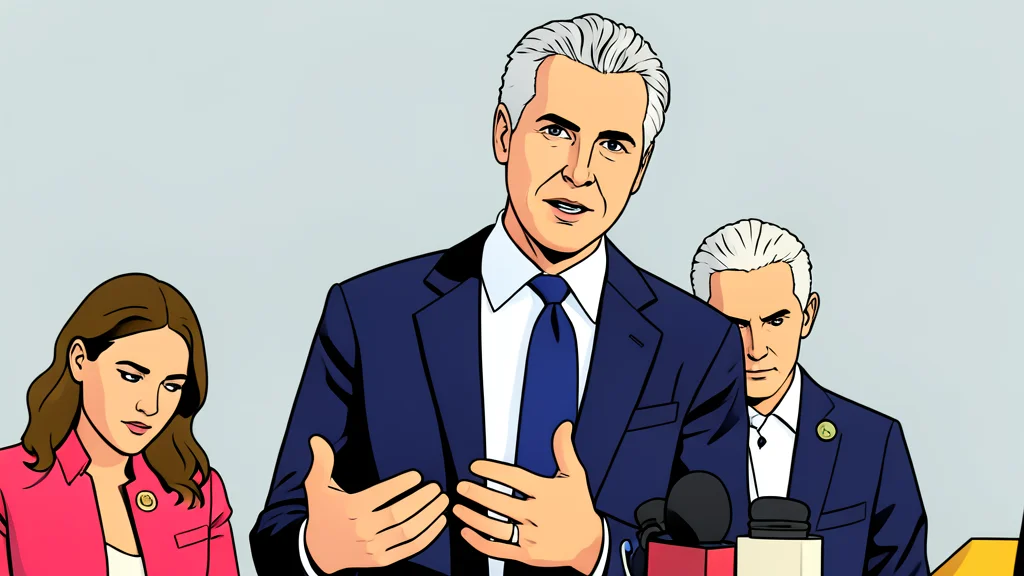
Millions of dollars in political spending are flowing into a Senate race in South Dakota that is already considered effectively decided. Super PACs linked to major artificial intelligence laboratories and venture capital firms have poured close to one million dollars into the re-election campaign of incumbent Republican Mike Rounds. This financial injection is not a bid to win a contested district, but rather a strategic move to secure a legislative ally who is expected to support the industry's interests as it faces growing regulatory scrutiny.
The stakes for the technology sector are high because the next Congress is expected to prioritize legislation on AI safety and data center infrastructure. By backing a candidate who has already demonstrated support for the industry, these groups aim to influence the political landscape before more restrictive bills gain momentum. The spending reflects a shift in how AI companies engage with politics, moving from general lobbying to targeted electoral influence in key state legislatures and federal seats.
Money Follows Political Alignment
According to filings reviewed by GN technics/ai (en-US), Rounds has received approximately $600,000 from outside groups, with the majority coming from a super PAC funded by the venture capital firm Andreessen Horowitz. He has also collected roughly $215,000 directly from employees and affiliated groups of AI labs, including Anthropic, Google, and Microsoft. This amount exceeds the funds he has raised from local donors in South Dakota, highlighting the dominance of external tech capital in his campaign finances.
The strategy appears to be about retaining allies rather than converting opponents. With lawmakers across the country introducing bills in response to public anxiety over AI safety, industry executives view Rounds as a reliable supporter. A recent announcement by another super PAC, funded in part by OpenAI president Greg Brockman, pledged two million dollars to a group of Senate Republicans who are friendly to the AI and crypto industries, further underscoring the coordinated effort to protect favorable legislative conditions.
Local Data Center Tensions
South Dakota is a flashpoint for this issue because the state legislature recently passed a bill requiring large tech companies to bear a greater share of the water and energy costs associated with data centers. This move stalled the construction of a planned facility by Applied Digital, a company that designs data centers, after lawmakers voted against providing tax breaks for the necessary equipment and software. The conflict illustrates the growing friction between tech expansion and local resource management.
Despite this local friction, Rounds endorsed restrictions on data centers, creating a complex political dynamic. His former chief of staff is currently a registered lobbyist for Meta, a company that operates a global network of data centers. While Rounds' office stated that legal counsel confirmed no conflict of interest exists, the arrangement highlights the deep entanglement between state politics and the data infrastructure driving the AI boom.
Public Opposition to Expansion
The political maneuvering occurs against a backdrop of widespread public resistance to data center growth. A recent Gallup poll found that seven out of ten Americans oppose the development of these facilities due to their significant consumption of water and energy, resources that local communities often subsidize. This bipartisan concern suggests that while tech companies can buy political favors in safe districts, they face a much harder struggle in winning public approval for their infrastructure needs.
The trade-off for the industry is clear: massive financial input into elections does not guarantee a smooth path for expansion. As local governments and national lawmakers alike grapple with the environmental and economic impacts of AI infrastructure, the gap between corporate spending power and public sentiment continues to widen. This race in South Dakota serves as a microcosm of the broader battle over who controls the future of artificial intelligence.