Volvo Doubles Electric Range in Key SUVs
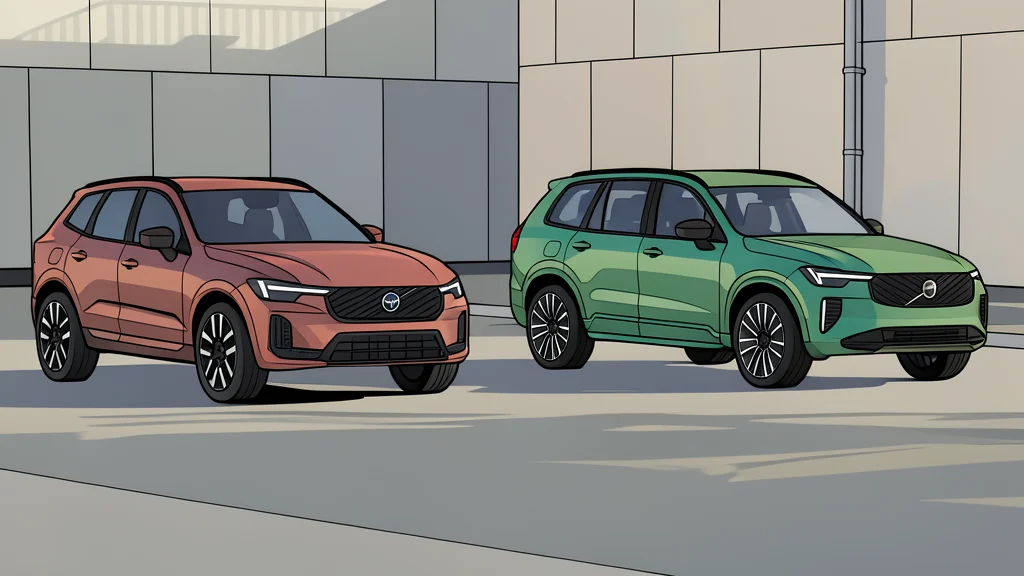
Volvo has significantly upgraded its flagship SUVs by installing a much larger battery, allowing drivers to cover daily commutes without using petrol.
Volvo has unveiled a major update to its XC60 and XC90 models, focusing on a dramatic increase in electric-only driving capability. The new plug-in hybrid versions offer a range of 200 kilometers on a single charge, a figure that is more than double what previous iterations could achieve. This shift aims to make the internal combustion engine a backup rather than a primary power source for most daily driving scenarios.
The core of this improvement is a new battery pack with a capacity of 41.2 kWh, nearly double the size of the previous 18.8 kWh unit. This larger energy storage allows the vehicles to handle the majority of typical daily trips without ever needing to plug in or consume fuel. For many owners, this means the car can function as a pure electric vehicle for weeks at a time, reducing dependence on charging infrastructure for short-term needs.
Larger Battery Powers the Upgrade
To accommodate the increased range, Volvo has installed a substantially larger battery in the floor of both the XC60 and XC90. The new 41.2 kWh pack is comparable in size to batteries found in dedicated fully electric vehicles like the base version of the VW ID. Polo. This expansion is paired with a more powerful electric motor rated at 130 kW, up from the previous 115 kW, providing stronger acceleration and better efficiency during electric-only driving.
Despite the electric enhancements, these vehicles remain plug-in hybrids, meaning they still retain a petrol engine. This engine takes over when the battery is depleted or when higher power is required, ensuring the cars can still travel long distances without access to charging stations. This dual-power setup is designed to offer flexibility, though it adds complexity to the vehicle's mechanical architecture compared to a pure electric model.
Price and Market Position
The updated XC60 starts at 69,990 euros, positioning it firmly in the premium segment. Volvo claims this 200-kilometer range is class-leading, surpassing competitors like the VW Golf eHybrid, which offers around 142 kilometers. The only close rival mentioned in recent reports is the Lynk & Co 08, which has a similar battery size but achieves slightly lower real-world range in independent tests.
This move strengthens Volvo's portfolio in the mid-size SUV category, offering customers a path to electrification that does not require a full switch to battery-only vehicles. By combining the benefits of electric driving with the safety net of a combustion engine, Volvo is targeting buyers who may still have range anxiety or limited access to reliable charging networks at home or work.
Real-World Charging Habits Matter
However, the environmental benefit of plug-in hybrids depends heavily on driver behavior. Regulatory bodies in the EU have noted that many owners rarely charge their vehicles, leading to actual carbon emissions that are significantly higher than official test figures. In 2022, studies showed that real-world emissions for many plug-in hybrids were 3.5 times higher than the approved values because the cars were primarily driven on petrol.
Recent trends suggest a shift in behavior, with more plug-in hybrids appearing at public charging stations, possibly due to rising fuel prices. If drivers consistently charge their vehicles, the larger battery in the new Volvo models will significantly reduce overall carbon output. Conversely, if the petrol engine remains the primary power source, the environmental advantage over a standard hybrid or efficient combustion car may be minimal. As noted by GN auto tech/ev: electric vehicle, the technology offers potential, but the outcome relies on how the vehicle is actually used.