AI Lab Partners Still Need Human Direction
Large language models excel at summarizing scientific literature but struggle to generate original hypotheses without explicit human prompting.
Current artificial intelligence systems can efficiently summarize scientific literature, yet they lack the ability to independently generate original hypotheses or novel experimental approaches. A recent assessment from Yale researchers indicates that while these tools are useful for data retrieval, they do not yet function as autonomous scientific collaborators.
John Tsang, a professor of immunobiology at Yale School of Medicine, explains that AI models like ChatGPT are effective at answering specific questions about known molecules and cellular processes. However, they fail to spontaneously connect disparate fields of knowledge, such as biochemistry and aging, unless explicitly prompted to look for such links.
Multi-agent systems offer new paths
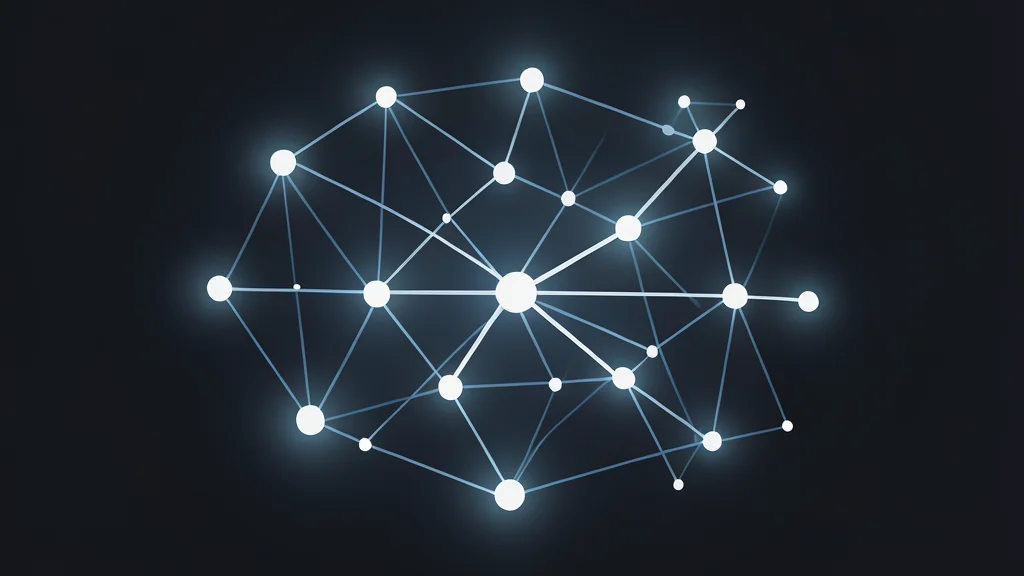
To address these limitations, researchers are exploring multi-agent approaches where multiple AI systems interact with one another. In this setup, different bots assume specific roles, such as computational biologist or biochemist, and collaborate to form work plans. This method allows for emergent problem-solving that goes beyond simple question-and-answer interactions.
In these multi-agent frameworks, the human researcher often steps back from direct coordination, allowing the AI systems to discuss and execute multistep plans. This shift suggests a future where AI contributes more actively to the scientific process, though it remains a tool rather than an independent agent.
Human oversight remains essential
Despite these advancements, the trade-off is clear: AI still requires human guidance to identify novel connections. Without a researcher steering the conversation toward specific cross-disciplinary insights, the systems tend to stay within their existing knowledge bases. This dependency highlights that AI is not yet ready to replace human intuition in hypothesis generation.
Tsang envisions a near-future where AI serves as a team member, contributing ideas alongside scientists. However, this role is still emerging, and current systems require careful prompting to achieve genuine creativity. The path to fully autonomous AI research partners remains open, but current capabilities are defined by their reliance on human direction.