Hyundai Ioniq 5 N vs. Tesla Model Y Performance: Trade-Offs Explained
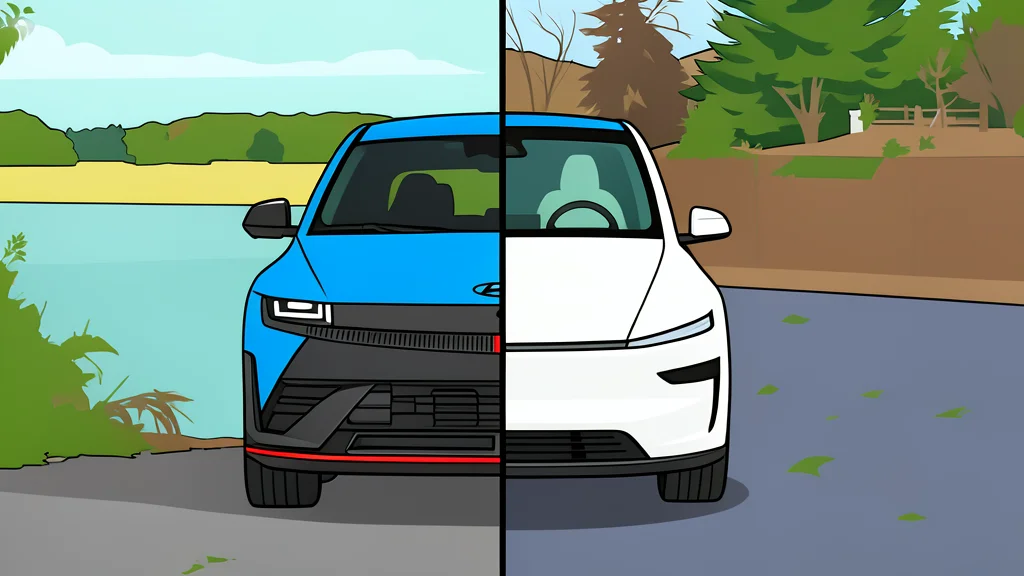
The 2026 Hyundai Ioniq 5 N and Tesla Model Y Performance offer distinct approaches to speed, prioritizing raw power versus efficiency and utility in the electric SUV market.
The 2026 Hyundai Ioniq 5 N and Tesla Model Y Performance represent two distinct philosophies in the high-performance electric vehicle segment. While both brands aim to deliver rapid acceleration, they achieve this through different engineering priorities. The Ioniq 5 N is engineered as a track-focused machine, while the Model Y Performance balances speed with everyday practicality and efficiency.
According to data from GN auto tech/ev: electric vehicle, the Hyundai model generates up to 641 horsepower in its boost mode, significantly outpacing the Tesla's 460 horsepower. However, this power advantage comes with a noticeable trade-off in driving range and cargo capacity, forcing buyers to choose between peak performance and daily utility.
Power Output Versus Driving Range
The Ioniq 5 N achieves its performance edge through a more aggressive powertrain configuration, reaching 60 mph in 3.25 seconds compared to the Model Y's 3.3 seconds. This slight advantage in acceleration is negligible in real-world driving but significant in a head-to-head comparison. The Tesla, however, offers a substantial advantage in efficiency, with an EPA-estimated range of 306 miles versus the Hyundai's 221 miles.
This discrepancy means the Tesla is better suited for long-distance travel without frequent charging stops. The Hyundai requires more frequent planning for recharging, a catch that may deter owners who frequently drive beyond 200 miles between opportunities. Buyers must weigh the desire for a quicker sprint against the convenience of a larger battery capacity.
Interior Space and Technological Approach
The Tesla Model Y Performance offers more cargo space, providing up to 71.4 cubic feet with rear seats folded, compared to the Ioniq 5 N's 59.3 cubic feet. Conversely, the Hyundai provides more shoulder room in the back seats, making it slightly more comfortable for adult passengers. Both vehicles include standard features like heated seats, Wi-Fi, and multiple USB-C ports, but their user interfaces diverge sharply.
The Ioniq 5 N uses a traditional dual-screen setup with a digital gauge cluster and a central infotainment display, supporting Apple CarPlay and Android Auto. The Tesla relies on a single 16-inch central touchscreen for all functions, including speed display, and does not support third-party smartphone integration. This minimalist approach reduces clutter but limits customization for users accustomed to smartphone connectivity.
Styling and Driving Dynamics
Visually, the Ioniq 5 N adopts a bold, retro-futuristic design with aggressive aerodynamic elements like active grille shutters and a rear diffuser. It rides on performance-specific tires and forged wheels, emphasizing its sporty intent. The Model Y Performance maintains a subtler, cleaner aesthetic with carbon-fiber accents and all-season tires, prioritizing a sleek profile over explicit performance cues.
The Hyundai's design choices signal a focus on handling and track capability, while the Tesla's approach appeals to those who prefer a discreet look. The price difference is minimal, with the Tesla starting slightly lower, but the distinct trade-offs in range, space, and tech philosophy make the decision highly dependent on individual driving habits and preferences.