ESA Partners with Pokémon for European Space Exhibitions
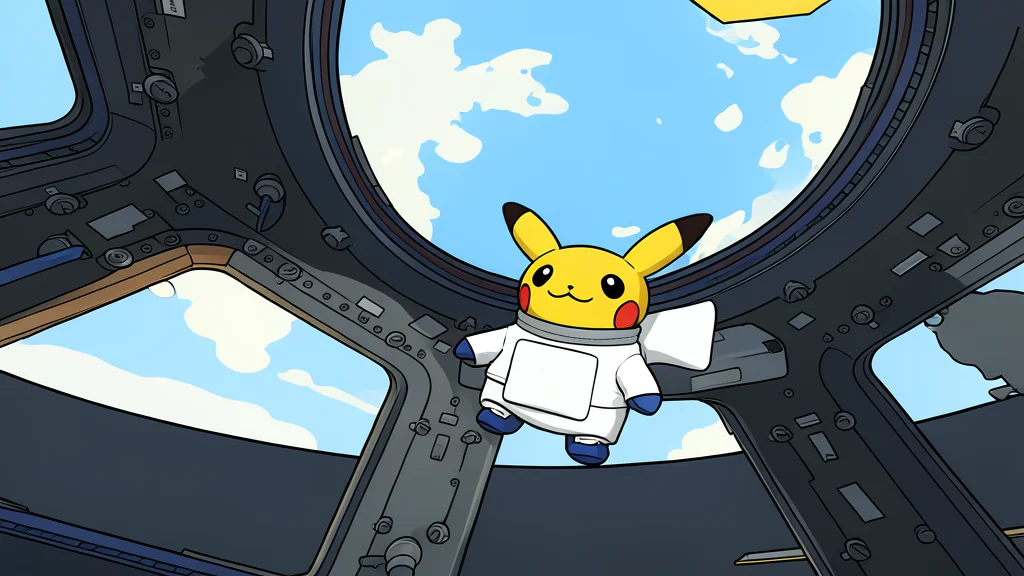
A plush Pikachu spent two months on the ISS before ESA and The Pokémon Company launched a tour of science exhibits across Europe this fall.
A small yellow plush toy recently completed a 67-day stay on the International Space Station, orbiting Earth over a thousand times alongside human astronauts. This unusual passenger was part of a new collaboration between the European Space Agency and The Pokémon Company International, designed to coincide with World Space Week in 2026.
The partnership aims to make space exploration more accessible to general audiences by integrating popular cultural figures into scientific outreach. The initiative includes a series of temporary exhibitions at various ESA facilities and museums throughout Europe, scheduled to begin in September and continue into early 2027.
Plush toy orbits station
The Pikachu figure traveled to the space station aboard a SpaceX mission and remained in orbit from April to June. It shared the cabin with seven crew members, including ESA astronaut Sophie Adenot. While the toy served as a morale boost for the crew, its primary role was to serve as a symbolic bridge between the public and the reality of long-duration spaceflight.
ESA Director General Josef Aschbacher stated that inspiring future generations is a core mission of the agency. He noted that using familiar characters helps people connect with space in ways that traditional settings do not. The goal is to spark curiosity and encourage visitors of all ages to explore opportunities in the space sector.
Exhibitions tour European sites
The physical exhibits will launch during ESA Open Days at locations including Paris, Rome, and the Netherlands. Visitors will see themed displays that explain how Europe launches missions and supports the space station. The exhibits also cover solar studies and broader universe exploration, using the Pokémon narrative as a framework for these scientific topics.
According to GN auto tech/science: space discovery, the collaboration extends to digital experiences as well. A special event in the mobile game Pokémon GO will run from October 2026 to April 2027. Players at participating science museums will encounter gameplay elements inspired by space mysteries, further linking the virtual and physical outreach efforts.
Marketing and commercial trade-offs
Like most major brand collaborations, this project includes significant commercial components. Exclusive apparel, accessories, and collectibles are available through agency and retail channels. While these products generate revenue, they also risk overshadowing the educational content. The primary trade-off is that the scientific message may be perceived as a marketing campaign rather than a pure educational initiative.
Critics might argue that relying on pop culture dilutes the seriousness of space research. However, supporters believe that engagement is the first step toward understanding. By lowering the barrier to entry, the agency hopes to convert casual fans into informed citizens who support scientific endeavors.