Americans Prefer Human Judgment over Pure AI

Despite a surge in artificial intelligence tools, US consumers remain skeptical of fully automated decisions. New data reveals a consistent preference for human oversight, even when machines are involved.
Americans continue to place significantly more trust in human judgment than in artificial intelligence, according to recent consumer data. This preference holds steady across a wide variety of high-stakes and low-stakes scenarios, from medical diagnostics to vacation planning. The findings suggest that despite years of industry marketing and technological advancement, the public has not shifted its reliance toward autonomous systems.
The Ipsos Consumer Tracker, reported by GN technics/ai (en-US), highlights a stable pattern in consumer behavior. While there is a growing presence of AI in daily life, trust levels have not changed year-over-year. Consumers do not view AI as a reliable replacement for human decision-making, but rather as a tool that requires human supervision to be acceptable.
Consistent Skepticism Across Sectors
The survey covered diverse areas including air traffic control, job applicant screening, and interpreting medical test results. In every category, respondents favored humans over AI. This indicates that the hesitation is not specific to one industry but is a broader cultural stance. People are wary of letting algorithms make critical decisions without human intervention, regardless of how sophisticated the technology may be.
The stability of these numbers is notable given the intense effort by tech companies to promote AI adoption. One might expect that increased exposure and improved functionality would gradually shift public opinion. However, the data shows no such trend. Trust in AI remains flat, suggesting that functional improvements alone are not enough to overcome deep-seated doubts about reliability and accountability.
Hybrid Models Gain Acceptance
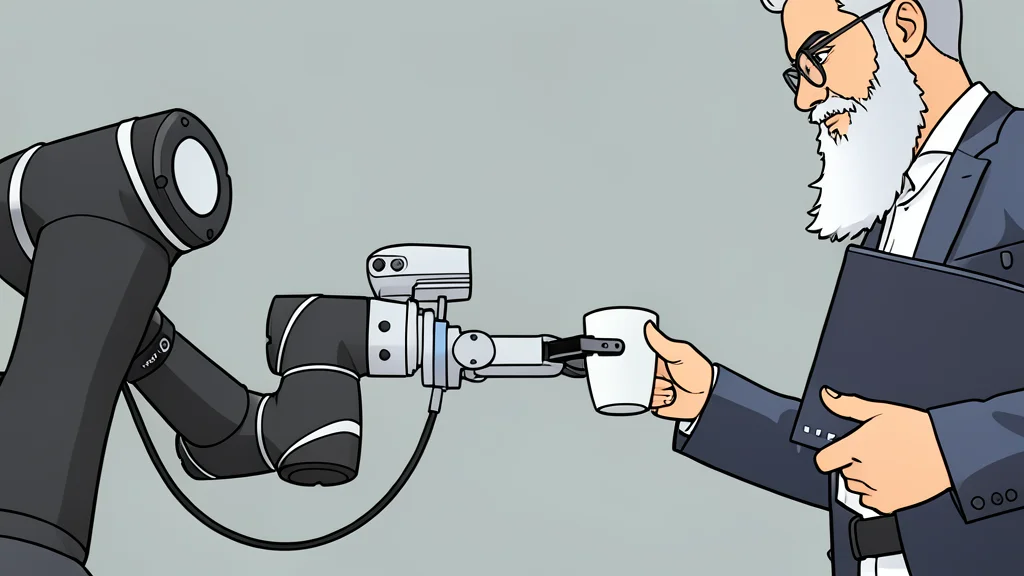
There is one area where consumer comfort is higher: human-assisted AI. Respondents were more willing to trust humans who use AI to help with tasks, particularly in creative fields like filmmaking and advertising, or in data analysis for business. This suggests that the public is comfortable with AI as a backend tool that augments human capability, rather than as the final decision-maker.
This distinction is crucial for tech developers. The market opportunity lies not in replacing humans, but in enhancing their workflows. When AI is framed as a helper rather than a replacement, resistance drops. However, for critical decisions where errors can have severe consequences, the default remains a strong preference for human accountability.
The Trade-off of Automation
The core issue is the trade-off between efficiency and control. While AI can process data faster and potentially reduce costs, it lacks the nuanced judgment and accountability that humans provide. Consumers are unwilling to accept the risk of opaque algorithmic decisions, especially in areas like healthcare and employment. Until AI systems can demonstrate transparent and consistent reliability that matches human standards, trust will remain low.
For businesses, this means that a 'human-in-the-loop' approach is not just a safety measure but a market requirement. Ignoring this preference could lead to consumer rejection, regardless of how advanced the underlying technology is. The path to wider adoption requires building trust through transparency and clear human oversight, not just through better performance metrics.