Autodesk Integrates AI into Core Design Workflows
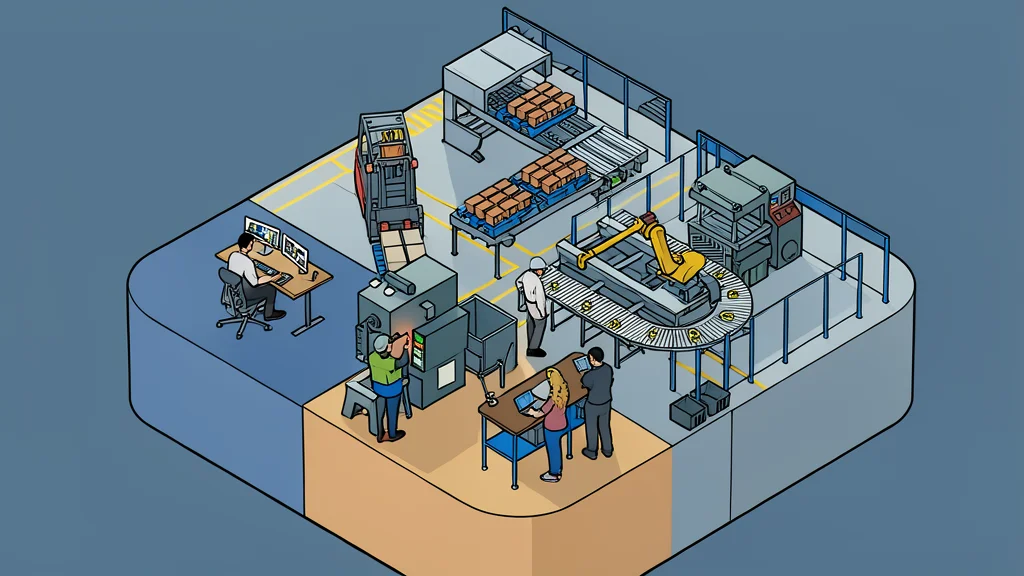
Autodesk is shifting from experimental AI features to practical automation tools intended to reduce repetitive manual labor for engineers and manufacturers.
At Autodesk University 2026, the company presented a suite of AI-driven updates for its primary design and manufacturing platforms. The focus is on moving beyond generic chatbot interactions to embed intelligence directly into the engineering workflow. This approach aims to handle the tedious, repetitive aspects of product design, allowing professionals to dedicate more time to complex problem-solving.
The strategy relies on grounding AI in specific project data and context. For industries like automotive and CNC manufacturing, where precision is critical, general-purpose models are often insufficient. By integrating these tools directly into Fusion, Inventor, and Vault, Autodesk intends to create a continuous digital thread that links design intent with production readiness, reducing the likelihood of costly errors or rework.
Automating complex design tasks
In Fusion, the new features target the time-consuming process of converting raw geometry into editable parametric models. A feature called AutoTimeline allows users to import static shapes and have them automatically converted into fully editable parts. Additionally, AutoAssemble helps organize these parts into functional assemblies without manual placement. These tools build on previously successful features like AutoConstrain, aiming to streamline the early stages of design.
The automation also extends into the manufacturing phase. System Modeler is designed to handle machine setup, toolpath generation, and production preparation. Instead of manually configuring every job from scratch, teams can create reusable automation scripts. This reduces the administrative burden on engineers and accelerates the transition from digital design to physical production.
Enhancing data retrieval and coordination
For Inventor and Vault, the updates focus on leveraging existing data more effectively. The Autodesk Assistant now has deeper access to Inventor’s underlying code structures, enabling it to analyze models, modify parameters, and automate routine tasks. In Vault, natural language search allows users to find relevant parts and components across large databases quickly. This helps teams build on existing work rather than starting from scratch, which is a common bottleneck in large-scale projects.
Furthermore, Inventor is becoming the first desktop application to function as a Fusion Connected Client. This bridges the gap between local engineering workflows and cloud-based data management. The goal is to ensure that product information remains current and accessible across different teams, regardless of whether they are using desktop or cloud-based tools.
The trade-off for precision
While these tools promise significant efficiency gains, they introduce a layer of automated decision-making that requires careful oversight. In high-stakes environments like vehicle design, the margin for error is minimal. The catch is that while AI can speed up the process, it must be strictly grounded in specific, high-quality data to be reliable. If the underlying data is flawed, the automated results will be incorrect.
According to reports from GN technics/ai (en-US), the industry is moving from experimentation to adoption, but this shift demands a higher standard of accuracy than generic AI applications. Manufacturers must balance the speed of automation with the necessity of human expertise to validate complex outcomes. The long-term benefit is not just faster output, but better-informed decisions based on a comprehensive view of the entire product lifecycle.