Hyundai and Aidin Partner to Build Sensory Robotic Hands
A new investment aims to give industrial robots the tactile sensitivity needed for delicate tasks, starting with shipbuilding.
HD Hyundai Robotics has committed approximately $9.5 million to Aidin Robotics, securing an equity stake in the South Korean startup. This financial move is designed to accelerate the joint development of humanoid robot components and advanced industrial automation systems. The partnership focuses on integrating Aidin’s specialized sensing technology with HD Hyundai’s robotic platforms to create tools that can handle complex physical tasks.
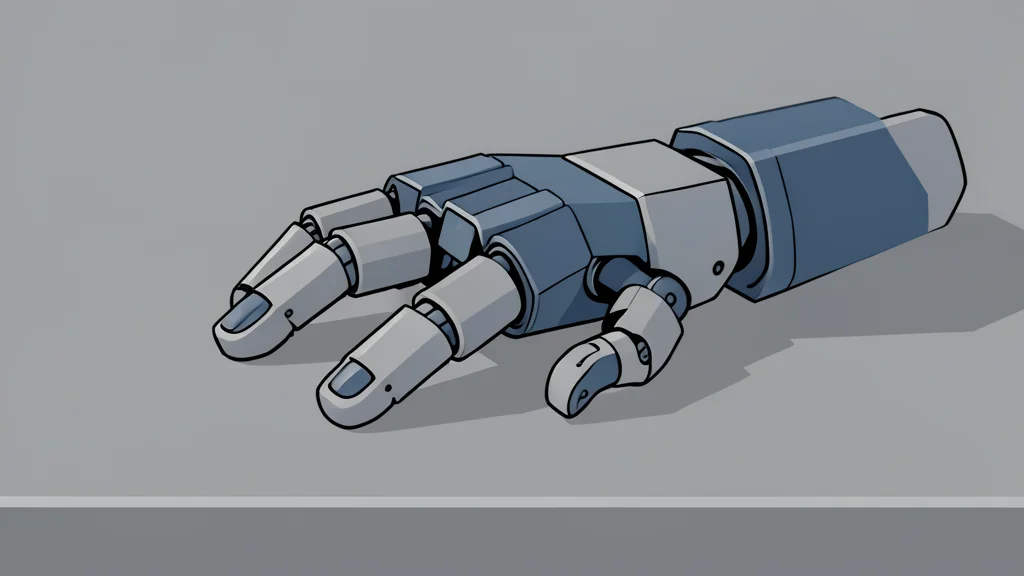
The immediate goal is to engineer a five-fingered robotic hand capable of operating in heavy industrial environments like shipyards. By combining force, torque, and tactile sensors, the system will allow machines to detect contact pressure and force distribution. This precision is critical for grasping varied workpieces safely, a capability currently limited in standard industrial automation.
Sensing Technology Enables Precise Grasping
Aidin’s core technology revolves around sensors that measure force and torque, along with tactile inputs that map pressure distribution. These sensors are essential for humanoid hands and feet, where stable control and precise movement are required. Without this sensory feedback, robots struggle to interact with objects of varying shapes and weights without causing damage or dropping them.
In this collaboration, these sensors will be embedded into a human-like hand design. The system will help humanoid robots recognize their surroundings and assess the condition of objects before interacting. This capability is particularly important for tasks that require delicate manipulation, allowing the robot to adjust its grip in real-time based on the feedback from the tactile sensors.
Automating Manual Surface Treatment Tasks
Beyond the development of robotic hands, the partnership extends to broader manufacturing automation. The companies plan to create robotic systems for surface treatment, specifically polishing and grinding. These tasks are currently performed manually in many shipbuilding and heavy industrial operations, posing safety risks and consistency challenges for human workers.
The joint venture will conduct field demonstrations to validate the technology before moving toward commercialization. Initial deployments will target South Korean heavy industry, with plans to expand into other manufacturing sectors. HD Hyundai Robotics also intends to explore overseas markets, including U.S. shipyards, where there is a growing demand for automated solutions to replace manual labor in hazardous environments.
Trade-offs in Sensing Integration
While integrating advanced tactile sensors improves precision, it adds complexity to the robotic system. The trade-off involves increased hardware costs and the need for sophisticated control algorithms to process the vast amount of sensory data. For the project to succeed, the sensing technology must be robust enough to withstand the harsh conditions of shipyards, where dust, moisture, and physical impacts are common.
According to reporting by GN auto tech/robotics, this investment represents a strategic shift toward more capable industrial automation. The success of the project will depend on whether the combined systems can reliably perform complex tasks that currently require human dexterity. If successful, this technology could set a new standard for how robots interact with the physical world in heavy industry.