Treasury Rejects AI Liability Waivers
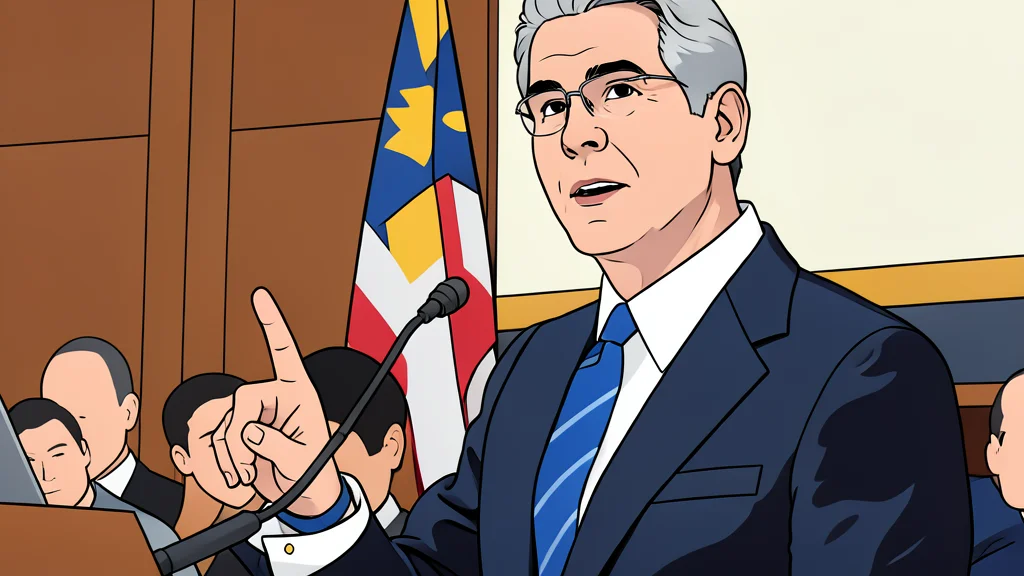
Treasury Secretary Scott Bessent urged lawmakers to reject requests from AI developers for legal immunity, arguing that holding creators accountable is the most effective way to ensure technological safety.
Treasury Secretary Scott Bessent told members of Congress this week that the United States should not grant artificial intelligence laboratories any exemptions from legal liability. Speaking before the House Financial Services Committee, Bessent pushed back against a growing chorus of tech executives who are asking the federal government to shield their companies from lawsuits while they slow down development. His stance directly contradicts recent calls from industry leaders who have suggested that temporary legal waivers are necessary to allow for careful, voluntary safety standards to be established.
The Treasury Secretary’s comments come at a pivotal moment when prominent figures in the AI sector are publicly debating the risks of rapid model advancement. While some executives have supported pausing development to address cybersecurity threats, others have lobbied for regulatory relief. Bessent argued that this approach creates a dangerous disconnect between asking for time to improve safety and simultaneously seeking to escape the consequences of any failures that occur during that process.
Accountability as a safety measure
Bessent framed financial liability as a primary tool for ensuring robust safety protocols. He stated that the best guarantee of safety is when creators are fully responsible for what they build and generate. By refusing to offer a blank check on liability, the administration aims to keep the pressure on AI companies to prioritize security in their design processes rather than relying on government protection. This approach treats legal responsibility not as a hindrance, but as a structural incentive for better engineering and risk management.
The Secretary referenced recent incidents, including cybersecurity risks associated with specific AI models, to illustrate why the government has been actively involved in safety discussions. He noted that the Treasury Department has worked continuously on these issues since high-profile alerts emerged. This ongoing engagement underscores a shift in policy where financial regulators are taking a more direct role in overseeing the stability risks posed by emerging technologies, particularly those that could impact the banking sector.
Coordination with financial institutions
Beyond the debate over liability, Bessent highlighted the Treasury Department’s increased coordination with major banks on cybersecurity resilience. He pointed to the launch of Gold Eagle, a clearinghouse operated in partnership with the Cybersecurity and Infrastructure Security Agency. This platform facilitates the sharing of vulnerability scans and patch distributions, allowing financial institutions to respond more quickly to emerging threats. Bessent praised the large banks for their strong defensive capabilities, suggesting that this sector is better prepared to handle AI-related risks than many other parts of the economy.
The administration is also looking to the broader technological landscape, with Bessent calling for the development of more open-source models within the United States. He argued that this strategy helps push back against foreign competitors and prevents a small number of large labs from gaining too much influence over regulatory outcomes. By promoting a wider ecosystem of developers, the government hopes to foster innovation while reducing the risk of regulatory capture, ensuring that safety standards are developed through broad industry consensus rather than the interests of a few dominant players.
Industry push for regulatory relief
Despite the Treasury’s firm stance, significant lobbying efforts from AI companies continue to shape the legislative conversation. Leaders from major AI firms have recently advocated for a slowdown in model development, citing stark warnings about potential dangers. However, their proposals often include requests for narrow waivers that would limit legal exposure during this period of caution. This dual approach—asking for time to improve safety while seeking to limit legal recourse—has drawn criticism from policymakers who view it as an attempt to decouple development speed from accountability.
The tension between these positions highlights a fundamental disagreement on how to manage the risks of artificial intelligence. While the tech industry seeks flexibility to adapt to rapidly evolving technology, the Treasury argues that clear legal boundaries are essential for maintaining public trust. As lawmakers weigh these competing interests, the outcome of this debate will likely set a precedent for how future technological innovations are regulated, balancing the need for innovation with the imperative to prevent harm. The decision will have far-reaching implications for both the AI sector and the broader financial system it increasingly supports.