Texas Leads Push for Shared Electric Air Taxi Charging Network
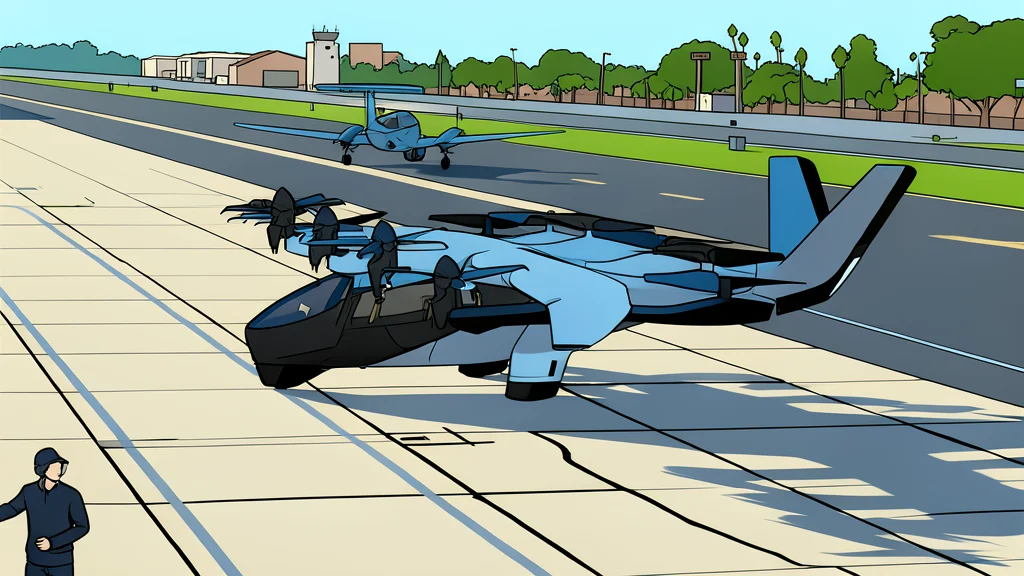
A new consortium aims to standardize charging infrastructure for electric air taxis across major Texas airports, seeking to solve the fragmentation problem in eVTOL support systems.
Archer Aviation, BETA Technologies, and Macquarie Capital have launched the Consortium for Electric Skyways, or ACES, with a goal to equip up to 250 air taxi sites with charging infrastructure over the next decade. The initiative focuses on establishing a shared network at major airports and fixed-base operators, aiming to prevent the industry from fragmenting into incompatible proprietary systems.
The primary focus is currently on Texas, where the Texas Department of Transportation is collaborating with the Federal Aviation Administration’s eVTOL Integration Pilot Program. This partnership intends to identify specific locations for electric vertical takeoff and landing aircraft operations, preparing the ground for test flights between the Dallas-Fort Worth, Austin, San Antonio, and Houston regions.
Shared infrastructure prevents industry fragmentation
The core strategy behind ACES is interoperability. Instead of each aircraft manufacturer building its own exclusive charging network, the consortium proposes a unified model where multiple operators can use the same hardware. This approach reduces the financial burden on individual companies and ensures that any electric air taxi can land at a supported site and charge, regardless of the manufacturer.
According to Kyle Clark, founder and CEO of BETA Technologies, aircraft are only useful if the supporting infrastructure is ready. By creating a standard that is open to the whole industry, the group hopes to avoid the inefficiencies of competing proprietary systems. This allows infrastructure operators and investors to build a reliable, unified network rather than a patchwork of incompatible stations.
Texas pilots set the stage for regional routes
Texas has been selected as the testing ground for this new infrastructure model. The state’s transportation department is working with the FAA to map out where eVTOL operators expect to fly. This includes planning regional test flights that connect major metropolitan hubs with rural communities, forming a broader air taxi network across the state.
Archer and BETA plan to conduct these electric air taxi test flights in the coming months. Adam Goldstein, CEO of Archer, noted that infrastructure is the key to making commercial aviation technologies real. The goal is to place chargers exactly where the FAA’s pilot operations will take place, ensuring that the physical support is ready before the vehicles arrive.
Standardization offers a catch in adoption speed
While the shared model offers long-term stability, it requires significant upfront coordination. The trade-off for standardization is that it depends on all major players agreeing to a single technical standard. If manufacturers continue to push for proprietary advantages, the consortium’s goal of a unified network could face resistance, slowing down the deployment of charging stations at key facilities.
As reported by GN auto tech/ev, the success of this initiative hinges on the willingness of the industry to prioritize collective infrastructure over individual competitive advantage. The next decade will reveal whether this collaborative approach can successfully electrify the skies or if the market will remain divided into isolated, proprietary silos.