Humanoid Robots Struggle to Bridge Lab and Factory Gap

New robotic systems promise to understand human gestures, but engineers admit the technology is not yet fast or reliable enough for real-world industrial use.
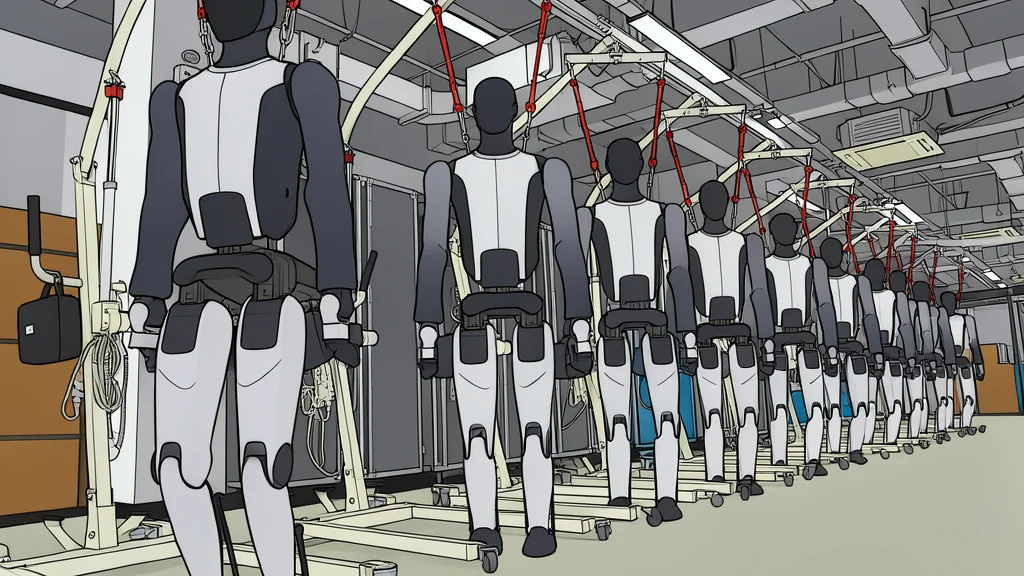
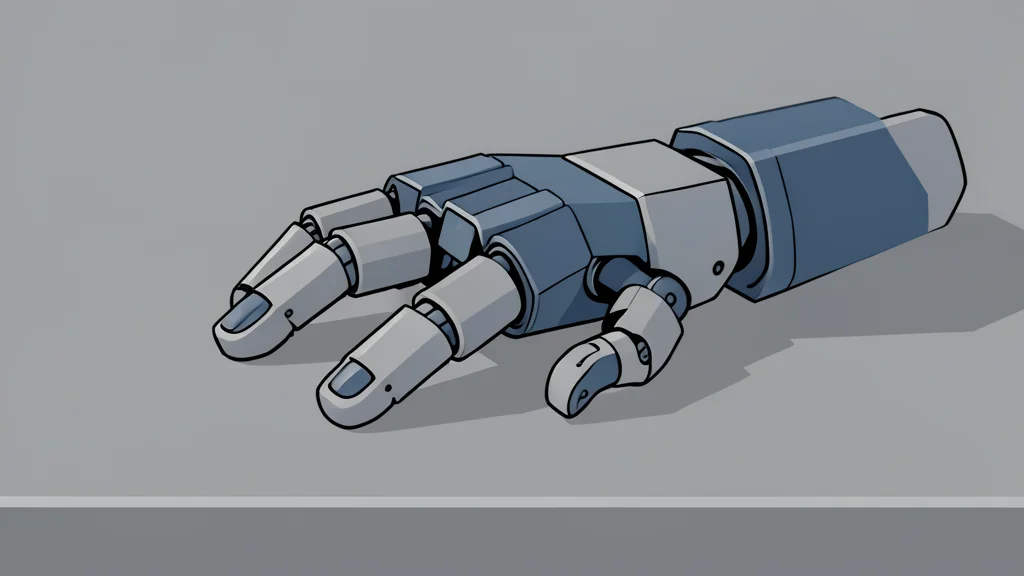
Cambridge Consultants recently opened its labs to demonstrate a new approach to humanoid robotics, focusing on how machines can better understand human cues. The demos featured two modified robots, one with enhanced computing power in a backpack and another with redesigned hands for handling boxes. However, the core innovation was a software platform designed to interpret speech, gestures, and spatial context.
The goal is to move beyond rigid programming and allow robots to respond to ambiguous instructions, such as pointing at an object or saying "move that here." While this sounds intuitive, the team acknowledges that making this work reliably in a chaotic environment remains a significant engineering hurdle. The technology is currently in a transitional phase, capable of basic interaction but not yet robust enough for daily industrial operations.
Reading Human Intent in Cluttered Spaces
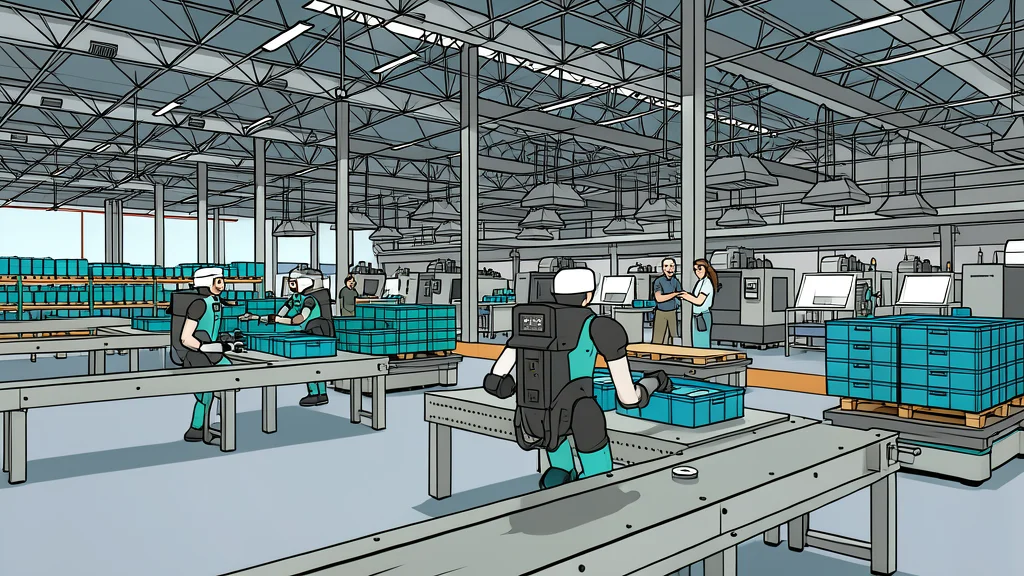
Traditional industrial robots operate in sterile, controlled environments where every variable is fixed. In contrast, warehouses and factories are filled with unpredictable human workers. Tim Ensor, head of AI at Cambridge Consultants, explains that a robot’s utility is limited if it cannot handle these unpredictable interactions. The new system combines vision, language, and action models to allow a user to point at a specific item, which the robot then identifies and moves without needing precise coordinates or complex coding commands.
This capability is crucial for training general-purpose robots. As machines become more versatile, they will need to learn new tasks from human supervisors. Instead of writing detailed code for every possible scenario, workers can demonstrate actions, and the robot can infer the intended movement. This shift aims to make the training process more natural, reducing the barrier between human instruction and machine execution.
Reliability Remains a Major Bottleneck
Despite the impressive demonstrations, the technology faces a harsh reality check when leaving the lab. Ensor admits that while the robots can perform tasks, they often lack the speed and consistency required for industrial deployment. In a high-volume setting, a robot that fails even a small percentage of the time can disrupt entire workflows. The current models are still learning to balance cognitive processing with physical execution, a trade-off that remains difficult to optimize.
Engineering for Real World Usability
To bridge this gap, the team is focusing on what they call non-core functional components. These are the unglamorous but essential engineering tasks, such as running large AI models on smaller, less powerful hardware and creating self-learning loops. The robots must improve through repeated attempts with minimal human intervention, a process that requires significant computational efficiency. According to GN auto tech/robotics, this focus on practical usability is as important as the underlying AI models themselves.
The path forward involves validating these systems in real-world conditions, not just in simulated environments. The challenge is not just making robots that can do one thing well, but making them adaptable enough to handle the messiness of human spaces. Until the reliability issues are resolved, these humanoid robots will remain promising demonstrations rather than practical workforce replacements.