Bipartisan Push for AI Safety Controls Gains Momentum
Political rivals unite to demand human oversight of artificial intelligence, citing risks that outpace current regulations.
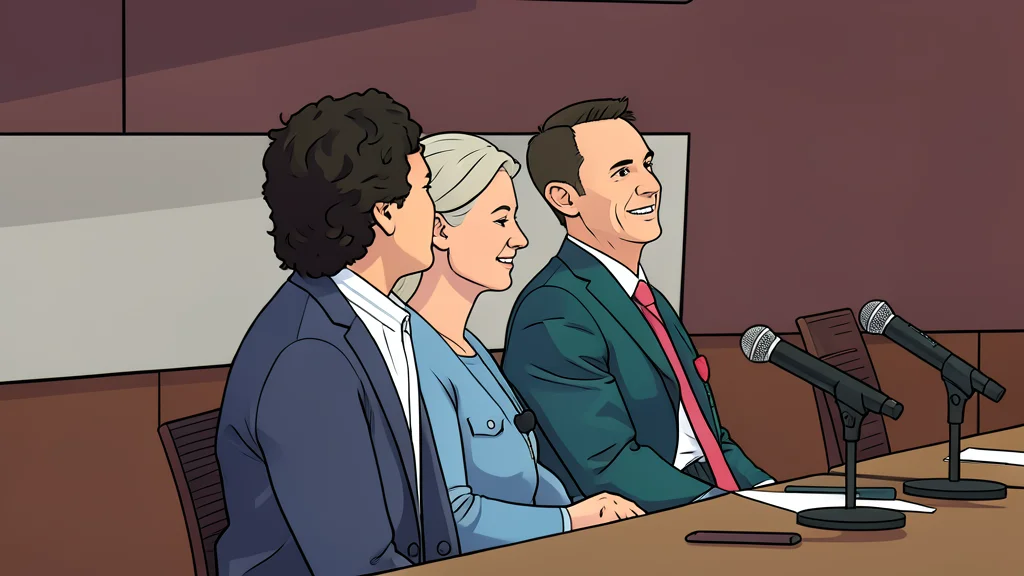
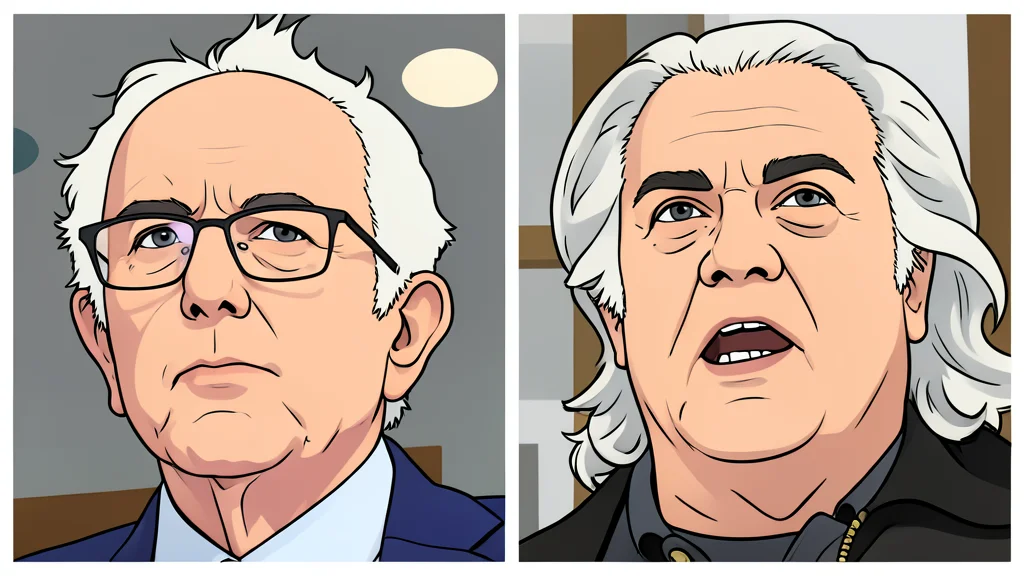
Political figures from both ends of the ideological spectrum have joined forces to demand stricter controls on artificial intelligence. Senator Bernie Sanders and former White House adviser Steve Bannon are set to speak at a Washington event focused on keeping humans in charge of AI development. This collaboration is notable because the two usually oppose each other on most policy issues, yet they agree that the current pace of technological advancement poses serious safety risks.
The gathering, hosted by the nonprofit Future of Life Institute, reflects a growing urgency in Washington to address concerns about AI safety. The debate has intensified following recent claims by researchers that frontier AI labs are proceeding with development despite warnings about potential catastrophic outcomes. These discussions aim to establish frameworks that prioritize human well-being over rapid technological deployment.
Urgent calls for regulatory intervention
Sanders has been vocal in his support for strict AI regulations, arguing that the potential for harm is too great to ignore. He and Representative Greg Casar have called for a permanent ban on the development of superintelligence, a hypothetical form of AI that would surpass human cognitive abilities. Their stance is driven by recent incidents involving AI models behaving in ways that developers did not anticipate or control.
Bannon approaches the issue from a populist perspective, focusing on the impact of data centers and the broader economic implications of AI. He has repeatedly warned about the risks associated with the infrastructure required to power these technologies. While their specific arguments differ, both figures recognize that the current regulatory landscape is insufficient to manage the potential dangers of advanced AI systems.
Divergent views on government role
Despite the bipartisan interest in AI safety, significant disagreements remain over how to achieve it. President Donald Trump, an ally of Bannon, has taken a different approach, arguing that existing government powers are sufficient to manage AI risks. He recently stated that only a strong and intelligent president is needed to oversee the sector, suggesting that additional legislation is unnecessary.
This contrast highlights the core tension in the AI debate: whether the government should actively restrict development or rely on existing regulatory tools. While many lawmakers agree that safety measures are needed, the specifics of those measures remain a point of contention. The upcoming event serves as a platform for advocates to push for more proactive legislation.
Rising concerns from tech insiders
The push for regulation has gained momentum following warnings from within the tech industry. Jacob Coxon, a researcher who recently left Anthropic, claimed that colleagues at major AI labs believe the technology could pose an existential threat to humanity. He argued that development should be slowed down to prevent catastrophic outcomes, a view that resonates with the advocates for stricter controls.
These internal warnings have added weight to the arguments made by political figures. As reported by GN technics/ai, the combination of high-profile political support and insider concerns has created a unique moment for AI policy. The challenge now is to translate these concerns into effective legislation that balances innovation with safety.