Electric Vehicle Prices Drop While Gas Cars Rise
The cost advantage for gas-powered cars is disappearing as electric vehicle prices fall and combustion engine models increase in value.
Buying a new car in the United States has become increasingly expensive for most shoppers. However, the electric vehicle sector is moving in the opposite direction. Recent pricing data indicates that while the average cost of a new vehicle has climbed, electric cars are seeing a notable decrease in their average transaction prices. This shift marks a significant change in the market dynamics that have long favored internal combustion engines on price.
The gap between electric and conventional vehicles is narrowing rapidly. For years, buyers were told that electric options were prohibitively expensive. Now, that premium is shrinking even as manufacturers reduce their financial incentives. This trend suggests that the baseline cost of electric technology is becoming more competitive with traditional powertrains, challenging the assumption that one must always choose the gas car to save money.
Incentives Are Decreasing As Prices Fall
A common argument is that electric vehicles are only affordable because of heavy manufacturer discounts. The data complicates this view. According to reporting from GN auto tech/ev, cash rebates and subsidized financing deals have actually decreased in recent months. The average incentive as a percentage of the transaction price has dropped from 14.6% to 12%. This means that the base price is coming down, not just the sticker price after discounts.
Even with fewer incentives, the support remains substantial compared to the broader market. The average electric vehicle still receives roughly $6,600 in support, which is about double the incentive level for gas-powered cars. Major brands continue to offer significant deals, with some providing tens of thousands of dollars in savings or zero-percent financing. This indicates that the price drop is driven by a combination of reduced costs and continued, albeit thinner, promotional support.
Tesla Drives The Sector Average Down
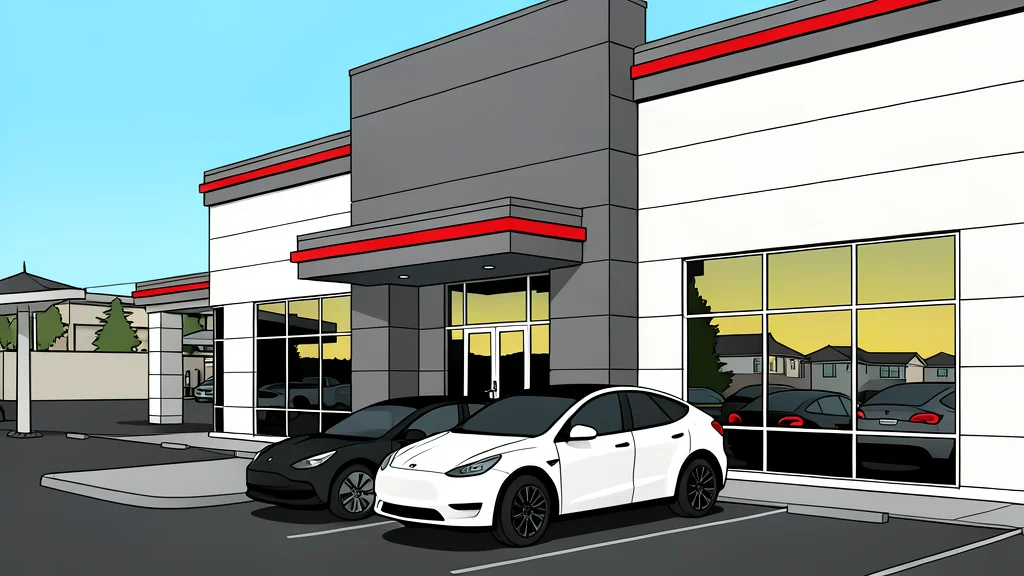
Tesla plays a disproportionate role in these statistics. Because the brand holds a large share of total electric vehicle sales in the U.S., its pricing movements heavily influence the sector average. In August, Tesla’s average transaction price fell by 3.4%. This single manufacturer’s price adjustment helped pull the overall electric vehicle average down, making the category appear more affordable to the general consumer.
This dynamic highlights a trade-off for other manufacturers. As Tesla lowers prices, competitors are under pressure to match or beat those offers to remain viable. This competition benefits the consumer by keeping prices low, but it also puts pressure on profit margins across the industry. The result is a market where price wars are becoming more common, driving down costs for buyers but increasing financial risk for producers.
Gas Cars See Price Increases
While electric prices fall, combustion engine vehicles are getting more expensive. Prices have risen across several major segments, including compact cars and subcompact SUVs. This is particularly notable because these are the affordable end of the market where buyers have the least room to absorb cost increases. The popularity of larger midsize SUVs is also pushing the average price up for gas-powered vehicles, further widening the gap in favor of electric options.
The practical implication is that the traditional advice to buy a gas car to save money may no longer hold true. For the first time in years, it is worth comparing electric and combustion offers side by side. The electric option is no longer just a premium purchase; it is increasingly a competitive price point. Buyers should consider the total cost of ownership, including fuel and maintenance savings, which further tilts the balance toward electrification.