Hamburg Pushes for EU Ban on Fake EV Engine Sounds
Hamburg is proposing a European-wide ban on artificial engine noise generators in electric vehicles, arguing that while low-speed safety warnings are essential, high-speed synthesized exhaust sounds serve no practical purpose and contribute to unnecessary urban noise pollution.
In a move that could reshape the auditory landscape of European cities, Hamburg’s governing coalition is set to ask the federal parliament to support an initiative banning artificial engine sounds on electric cars. The proposal, scheduled for a vote on September 16, targets the external speakers installed by manufacturers like Porsche, Hyundai, and Abarth to mimic the roar of combustion engines. While the city acknowledges the necessity of low-speed acoustic warnings for pedestrian safety, it argues that the high-decibel synthetic noises produced at highway speeds offer no safety benefit and only add to the ambient noise burden.
According to GN auto tech/ev, this initiative distinguishes clearly between mandatory safety features and optional aesthetic enhancements. The current regulations require electric vehicles to emit a specific warning sound below 20 km/h to alert pedestrians, a rule Hamburg does not intend to challenge. However, the proposed ban would specifically outlaw the use of these speakers for non-safety purposes, such as playing synthesized revs or gear-shift sounds when the vehicle is moving at higher speeds. This approach aims to preserve the quietness of electric transport while eliminating what critics describe as unnecessary noise pollution.
Safety warnings remain protected
The core of the proposal relies on a clear legal distinction between Acoustic Vehicle Alerting Systems (AVAS) and cosmetic sound generators. Under UN Regulation 138, all new electric and hybrid cars registered in the EU since July 2021 must emit a sound of at least 50 decibels at 10 km/h and 56 decibels at 20 km/h. This requirement is designed to make silent vehicles detectable to vulnerable road users. Hamburg’s transport spokesman, Ole Thorben Buschhüter, emphasized that this low-speed warning is a safety imperative and is not subject to the proposed restrictions. The ban would only apply to sounds that imitate internal combustion engines at speeds where tire noise is the primary acoustic source, effectively silencing the 'fake' engine roar that adds no informational value to the driver or bystanders.
Manufacturers face specific regulatory targets
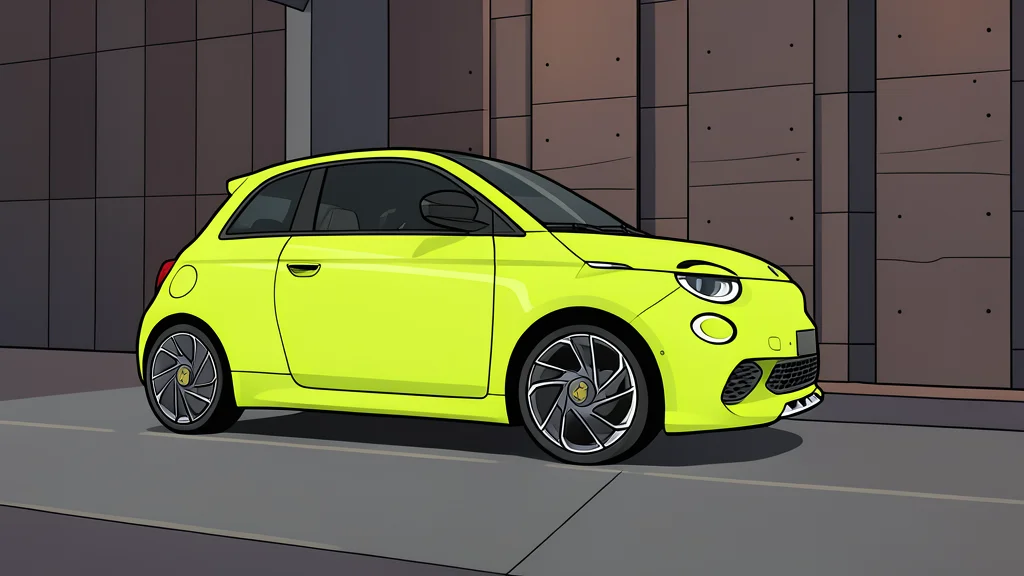
Several high-profile models currently on sale in Europe are directly affected by this proposal. Porsche offers an optional 'Electric Sport Sound' for its Taycan, which uses interior and exterior speakers to create a synthesized note that rises with speed. Similarly, Hyundai’s Ioniq 5 N features an active sound system with external speakers and a simulated rev limiter, while Abarth includes a standard 'Sound Generator' on its 500e model to replicate the exhaust note of its traditional performance cars. These systems are designed for driver enjoyment and brand identity rather than safety. In contrast, manufacturers like BMW, which limit their enhanced soundscapes to the cabin interior, would likely remain unaffected by a ban focused on external emissions. This distinction highlights a growing divide in the industry between those who view sound as a safety tool and those who treat it as a premium feature.
Legal hurdles and health concerns
Implementing a ban presents complex legal challenges due to the harmonized nature of EU vehicle approval standards. A car approved in one member state can be sold across the entire Union, meaning Germany cannot unilaterally prohibit equipment that is legally certified elsewhere. The proposed initiative therefore seeks to influence the broader regulatory framework, potentially through amendments to EU type-approval rules or UN regulations. Supporters point to data from the European Environment Agency, which indicates that over 112 million Europeans are exposed to noise levels exceeding 55 decibels annually. By eliminating non-essential electronic noise, Hamburg aims to contribute to a quieter urban environment, aligning with broader public health goals related to noise reduction. The precedent set by the US recall of Tesla's 'Boombox' feature, which disabled external sounds to comply with safety standards, suggests that technical solutions for such restrictions are already established and feasible.