Congress Lacks Independent Tech Staff to Regulate AI
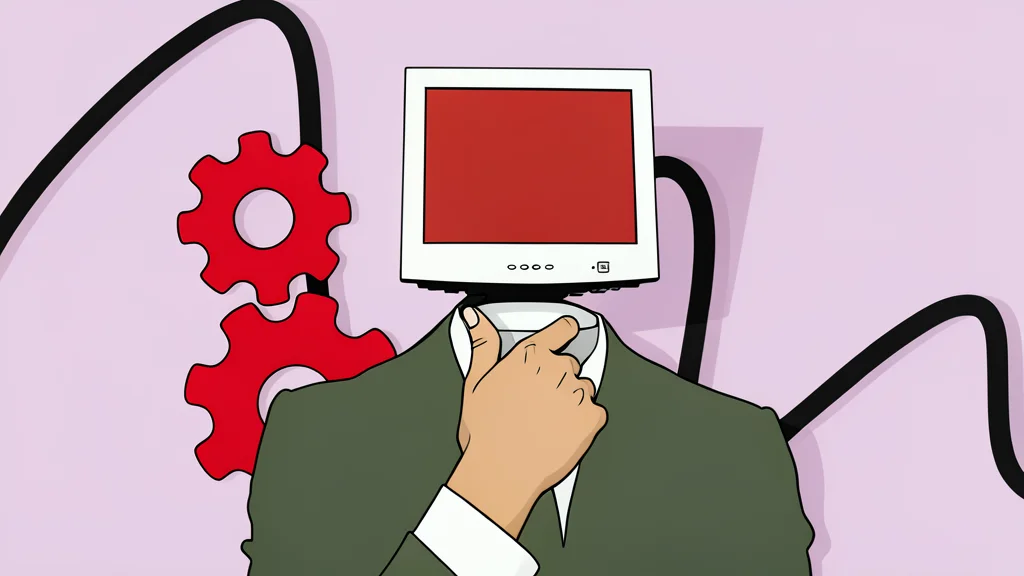
Lawmakers are turning to the AI industry for guidance on regulating the technology, a dangerous inversion of the traditional oversight model that occurred after the defunding of Congress's independent research body.
When new technologies raise difficult social questions, lawmakers have historically relied on in-house experts to provide neutral analysis. However, the United States Congress no longer has such a resource. The Office of Technology Assessment, which provided nonpartisan scientific advice from 1974 until its closure in 1995, was dismantled by political forces who preferred less regulatory scrutiny. This decision left a void that has never been properly filled, leaving legislators without a trusted, independent source of technical information.
The absence of this internal expertise is most visible in the current debate over artificial intelligence. As reports of significant safety risks from major AI labs circulate, Congress is struggling to distinguish between genuine existential threats and corporate publicity stunts. According to reporting by GN technics/ai (en-US), the legislative branch is increasingly dependent on the very companies it is supposed to regulate. This creates a conflict of interest where the industry defines the problem and then proposes the solution, often including regulatory frameworks that serve their commercial interests.
Industry Leads Regulatory Framework
In a striking reversal of typical economic behavior, major AI executives are actively seeking government oversight. Following public statements about the potential dangers of advanced models, leaders at prominent tech firms have proposed specific regulatory structures. These proposals often include mechanisms for self-auditing and special legal exemptions. While presented as safety measures, these frameworks effectively allow the industry to write the rules of its own supervision, a dynamic that is unusual for booming sectors that typically resist government intervention.
The trade-off for Congress in accepting these industry-led proposals is significant. By building a regulatory system based on the self-reported data and standards of the companies themselves, lawmakers risk creating a rigid structure that protects incumbents from competition. This bespoke oversight could make it difficult for regulators to act against failing companies in the future, effectively guaranteeing the market dominance of the current giants. The lack of independent analysis means Congress cannot easily verify if the proposed rules are sufficient or if they are designed to lock out new entrants.
Loss of Independent Verification
The core issue is not just the speed of AI development, but the lack of a neutral arbiter to assess the risks. Without an independent body to test and evaluate these technologies, lawmakers are forced to rely on the transparency provided by the tech companies themselves. This is problematic because the public record of incidents, such as cybersecurity breaches during model testing, is often incomplete. Experts note that when the only available information comes from the developers, it is difficult to determine the true severity of the risks or the adequacy of the safeguards in place.
This dependency has practical consequences for legislative action. Bills currently being negotiated in the Senate aim to preempt state-level safety laws, a long-standing goal of the tech industry. By moving to a federal level without robust independent data, Congress risks replacing a patchwork of potentially stricter state regulations with a weaker, industry-friendly national standard. The result is a regulatory landscape where the definition of safety is determined by the entities profiting from the technology, rather than by objective, third-party verification.
Political Incentives Shape Policy
The political environment further complicates efforts to establish independent oversight. The lobbying power of the tech sector dwarfs the resources available to individual members of Congress. With a high ratio of lobbyists to legislators, the industry maintains a constant presence in policy discussions. This imbalance means that the few members of Congress who might advocate for stricter, independent testing are often outnumbered and out-resourced. The pressure to pass legislation quickly, driven by public concern, often leads to reliance on the most accessible experts: the executives of the companies in question.
Ultimately, the path forward requires a fundamental shift in how Congress approaches technological risk. Relying on the industry to self-regulate and define the parameters of oversight creates a system that is inherently biased toward corporate interests. To address the genuine concerns about AI safety, lawmakers must seek to restore a capacity for independent, nonpartisan technical analysis. Without this foundational element, any regulatory framework will likely reflect the priorities of the technology providers rather than the public interest.