Persona Band Promises Hands-Free AI Without a Screen
A new wearable device aims to bypass the failure of previous AI gadgets by hiding its display under a fabric band.
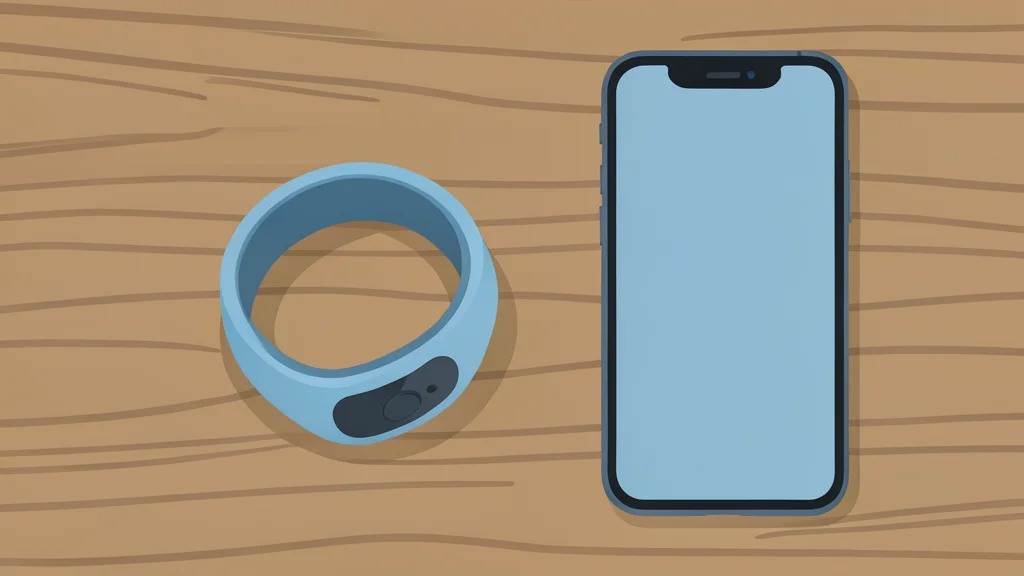
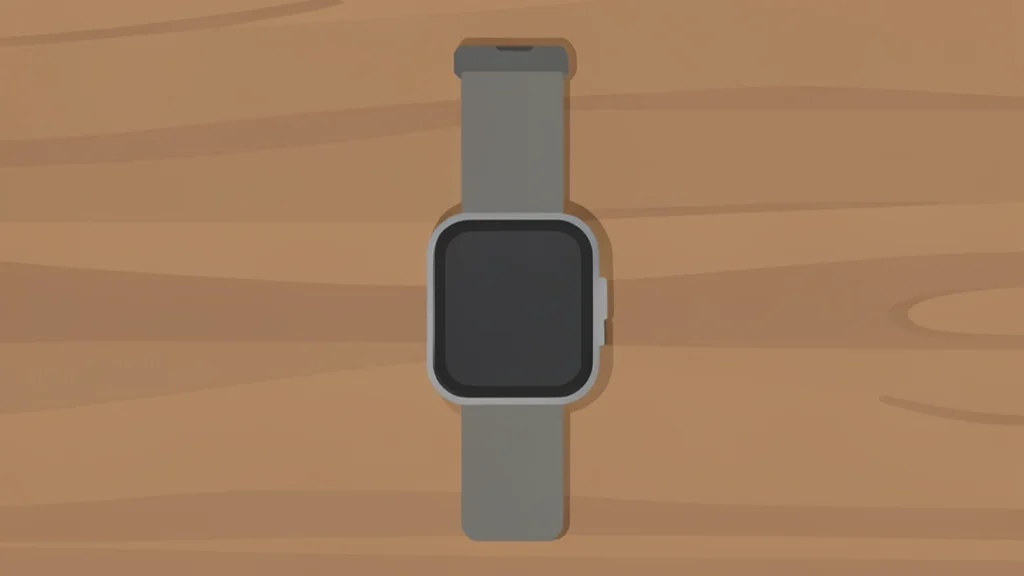
The market for wearable artificial intelligence has been largely disappointing, with recent high-profile devices failing to deliver on their promises. Persona is entering this crowded space with a new wristband that attempts to sidestep common pitfalls by adopting a minimalist, screen-less design. The device looks less like a computer and more like a fashion accessory, relying on a fabric cover that conceals the underlying technology.
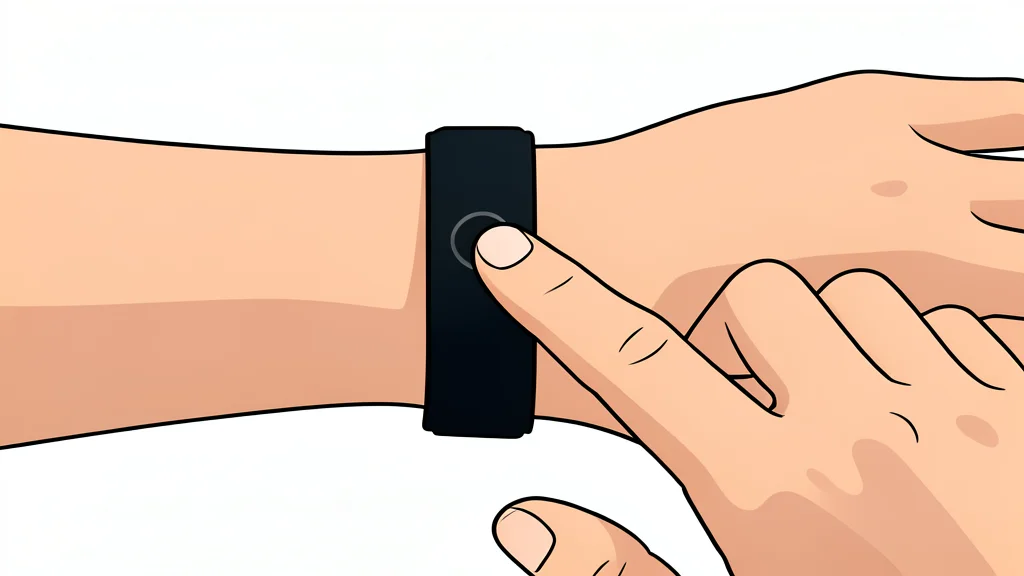
According to reports from GN auto tech/wearables: wearable tech, the band functions primarily as a remote control for an AI assistant rather than a standalone device. Users interact with the system through voice commands or specific taps on the wrist, allowing them to manage tasks without constantly checking their smartphones. This approach targets the current consumer preference for discreet technology that does not demand constant visual attention.
The band acts as a remote control
The hardware itself features a simple interface with a circular metallic element that serves as a notification indicator. While the company claims the AI understands 120 languages, the physical device is limited to basic input methods. It does not have a traditional display for reading messages or data; instead, it relies on the user’s phone and the companion application to handle the complex parts of the interaction.
This design choice creates a significant trade-off. By removing the screen, Persona avoids the clutter that plagued previous AI pins, but it also removes the immediate visual feedback that many users rely on. The device is essentially a trigger for actions, meaning the user must trust the system to execute commands correctly without being able to verify the outcome in real-time on the wrist.
Ambitious claims face execution hurdles
Persona markets the device with bold examples of what the AI can do, such as holding callers on the line or chasing late payments from clients. These tasks require a high degree of autonomy and accuracy. Previous competitors, including Humane and Rabbit, made similar promises but struggled to deliver reliable results, leading to widespread disappointment among early adopters.
The core challenge for Persona is not just the hardware, but the reliability of the AI backend. While the band can handle simple inputs, the complex logic required to negotiate fees or manage invoices is difficult to automate perfectly. If the AI makes errors during these high-stakes interactions, the user has no easy way to intervene or correct the mistake directly on the device.
Hardware durability and cost considerations
On the physical side, the band is built with an aluminium chassis that is waterproof and includes dual microphones that can be muted. This privacy feature is crucial, as the device is always listening for commands. The battery life is claimed to last three days on a single charge, which is competitive with other smartwatches, and it uses a standard USB-C port for power.
However, the entry price is a barrier for casual users. The device costs at least 3,600 South African Rand, which is a significant investment for a gadget that may not yet prove reliable. While the company states that the AI service will remain free, the financial risk lies in whether the hardware justifies its price tag compared to simply using the free AI features already available on most modern smartphones.