Combine Smart Home Gadgets into One Device with These DIY Builds
Reduce desk clutter by merging sensors, controls, and displays into single, custom-built units using open-source components.
Many smart home setups suffer from clutter, with separate sensors, buttons, and status lights occupying valuable desk space. A new wave of DIY projects addresses this by combining multiple functions into single, compact devices. These builds allow users to consolidate presence detection, remote controls, and data displays into one hardware unit, reducing the need for multiple standalone gadgets.
According to GN technics/smarthome (en-US), these projects leverage open-source hardware and firmware to create versatile tools. By using microcontrollers and simple electronic components, hobbyists can tailor their devices to specific needs. This approach not only declutters the home but also provides a more integrated and personalized smart home experience without relying on proprietary, single-purpose products.
Consolidating controls into a single unit
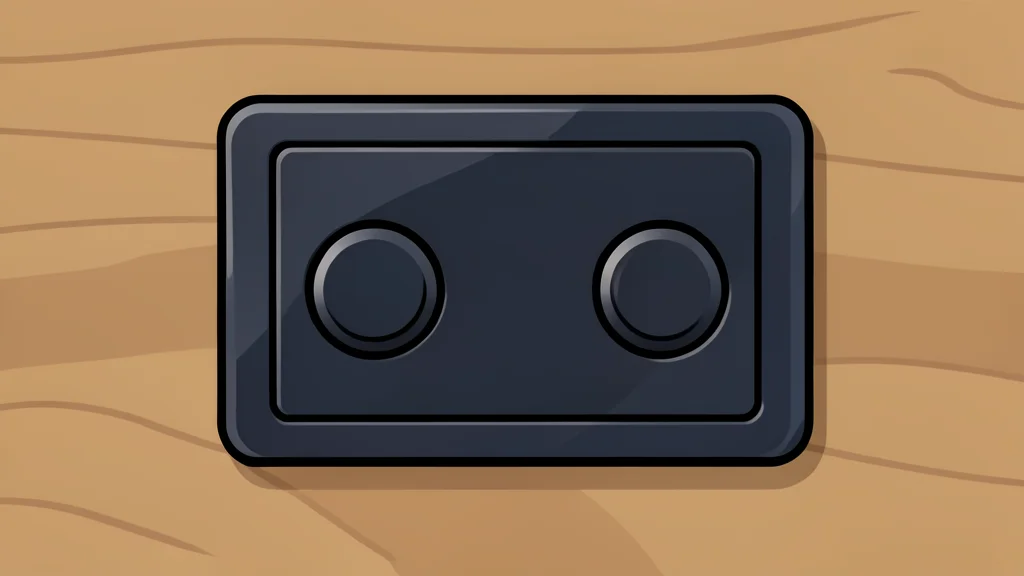
One notable project, known as Scoopy, replaces three separate devices with a single controller. It integrates a presence sensor, smart buttons, and status LEDs into a small enclosure. The device uses an ESP32 microcontroller to handle these tasks, offering a streamlined alternative to using individual sensors and remotes. This consolidation simplifies the user interface by grouping related functions together.
The hardware allows for complex interactions, such as single presses, double presses, and long holds on each button. Users can configure these actions to control fans, lights, or other smart devices. The three LEDs can be set to different brightness levels and effects to indicate various system states. All necessary files, including firmware and 3D-printable designs, are available online for those wishing to build their own version.
Adding visual feedback to Bluetooth proxies
Bluetooth proxies are commonly used to extend the range of smart home devices or track presence via phones and watches. However, these units often sit idle, performing only background tasks. A recent innovation adds a small OLED screen to the proxy, transforming it into a functional status display. This screen can show temperature, humidity, Wi-Fi signal strength, and connection status, making the device more useful than a simple signal repeater.
The project uses a 1.29-inch monochrome display housed in a 3D-printed enclosure. The display is driven by the same microcontroller that handles Bluetooth proxying, creating a dual-purpose device. While the provided instructions use specific parts, users can modify the design to use different screens or enclosures. This flexibility allows for customization based on personal preferences and available components.
Monitoring sitting time with smart desks
Sedentary behavior is a common health concern for people who work at desks. One Home Assistant user developed a system to track sitting duration and encourage movement. The setup uses a presence sensor focused on the office chair to detect when the user is seated. If the user remains seated for a predefined period, smart speakers issue a reminder to stand up, and a notification is sent to a mobile device.
This system can be integrated with electric standing desks that have remote control ports. By combining presence detection with desk control, the setup can automatically raise the desk if the user sits for too long. This creates a proactive health management tool that uses existing smart home infrastructure to promote better habits. The trade-off is the need for compatible hardware and some technical setup to link the presence sensor with the desk controller.