2026 Toyota bZ Offers Flexible EV Options Under $47K
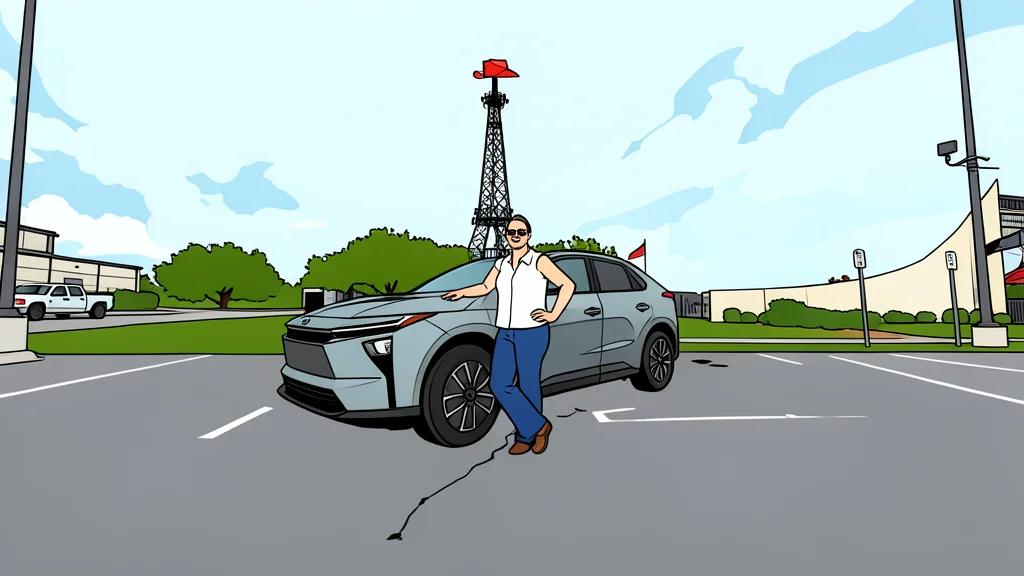
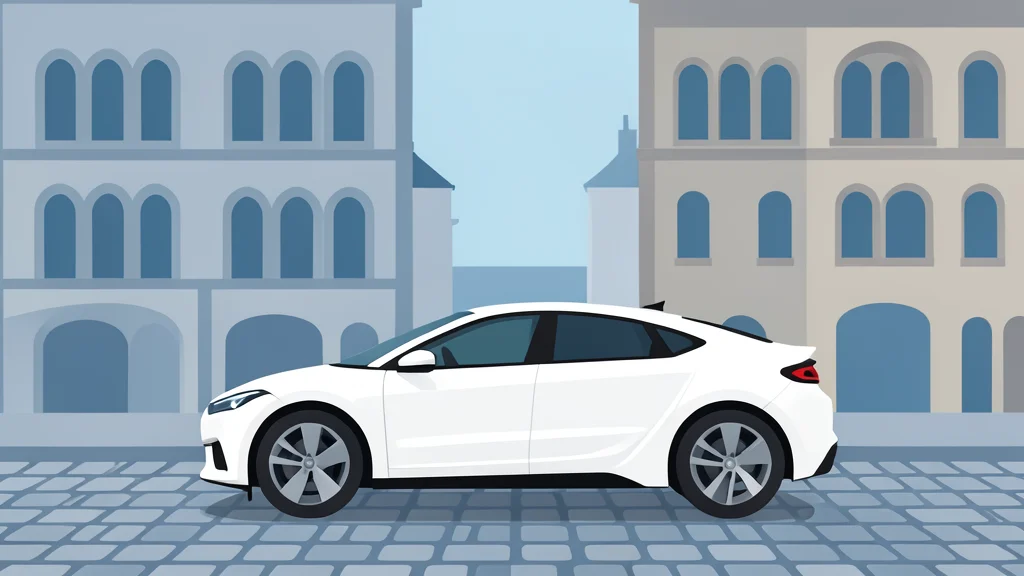
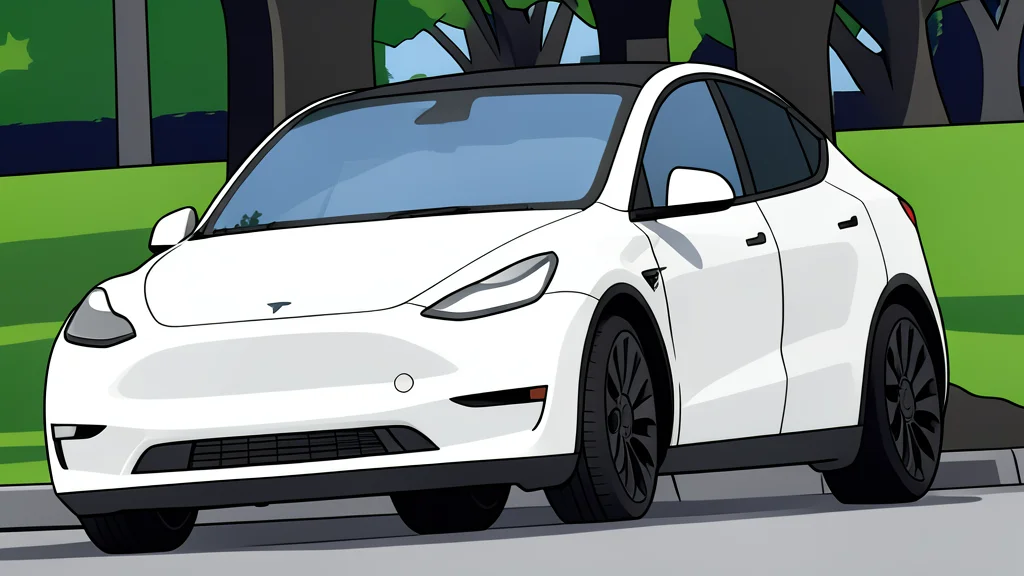
The 2026 Toyota bZ provides a rare mix of range, power, and trim choices for buyers seeking a versatile electric vehicle without exceeding a mid-tier budget.
The 2026 Toyota bZ positions itself as a pragmatic option in the crowded electric vehicle market, offering a level of configurability that is increasingly uncommon in the segment. Unlike many competitors that lock buyers into a single battery or drivetrain, this model allows customers to select from three distinct battery sizes and two drivetrain configurations. According to GN auto tech/ev: electric vehicle, this approach addresses a common pain point for buyers who need to balance daily commuting efficiency with occasional long-distance travel or varied weather conditions.
Pricing for the vehicle spans from approximately $34,980 for the base front-wheel-drive model to nearly $47,450 for the top-tier all-wheel-drive Limited trim. This range places it in direct competition with other family-oriented EVs, but its unique selling proposition is the transparency of its options. Buyers are not forced into a one-size-fits-all solution; instead, they can prioritize either maximum range or maximum performance based on their specific needs, a choice that remains rare in this price bracket.
Balancing Range and Performance
The core trade-off in the bZ lineup is between battery capacity and horsepower. The smallest battery configuration offers a maximum range of 236 miles but delivers only 168 horsepower, making it suitable for urban driving and short commutes. In contrast, the dual-motor all-wheel-drive variants produce 338 horsepower, significantly improving acceleration and stability in adverse weather. However, this power boost comes at the cost of range, with the AWD models offering between 278 and 288 miles. The middle ground is represented by the larger single-motor battery, which provides up to 314 miles of range with 221 horsepower, appealing to drivers who prioritize distance over raw speed.
Toyota has also introduced a dedicated Woodland trim, which is exclusively available with all-wheel drive. This version is marketed toward buyers who want a rugged aesthetic and off-road capability, though it does not fundamentally change the underlying range or power dynamics of the dual-motor setup. The existence of this specific trim highlights Toyota’s strategy of segmenting the market by lifestyle rather than just technical specifications, allowing buyers to identify with a particular use case without needing to customize every individual component themselves.
Interior Practicality and Feature Set
Inside the cabin, the focus is on utility and ease of use rather than high-end luxury. The vehicle features a 14-inch multimedia touchscreen that is complemented by physical climate control knobs, a design choice that reduces driver distraction compared to fully digital interfaces. Connectivity is robust, with four USB-C ports and dual wireless charging pads for smartphones, ensuring that multiple passengers can charge their devices simultaneously. The inclusion of ambient lighting with 64 color options adds a customizable touch to the interior, while seat cover choices allow buyers to pick between a durable cloth or a leather-like material, catering to different preferences for maintenance and comfort.
Cargo space is a significant advantage, offering 27.7 cubic feet behind the rear seats. When the rear seats are folded down, the floor becomes flat, creating a large, versatile storage area suitable for bulky items. Under-floor storage beneath the cargo area is specifically designed to hold charging cables and adapters, keeping them out of the way. This thoughtful layout addresses a common complaint in other EVs where charging equipment often takes up valuable trunk space, making the bZ more practical for families or individuals who frequently transport gear.
Comparing Options to Smaller Models
While the bZ shares its platform with the smaller Toyota C-HR, the differences in size and capability are distinct. The C-HR is a sub-compact SUV that comes only with all-wheel drive, targeting a sportier, more compact demographic. The bZ, being noticeably larger, offers more interior room and the choice between front-wheel and all-wheel drive. This distinction is crucial for buyers who need the extra space for passengers or cargo, as the C-HR’s smaller footprint may not accommodate larger families or frequent long-distance travelers as effectively. The bZ’s wider price range and additional trim levels provide a broader spectrum of value, making it a more versatile option for a wider array of driving scenarios.