Egypt Targets $12 Billion in Digital Exports by 2029

Cairo is investing heavily in data centers and AI to become a regional tech hub, aiming to boost digital exports and secure national data sovereignty.
Egypt is accelerating its push to become a regional technology hub, with the government setting aggressive financial targets for its digital sector. President Abdel Fattah al-Sisi has directed key officials to prioritize massive investments in cloud infrastructure and artificial intelligence. The strategy aims to shift the country's economic focus toward high-value digital services, targeting eight billion dollars in digital exports by 2028.
This ambitious plan is underpinned by a significant overhaul of digital infrastructure and a focus on national sovereignty. By 2029, the state projects that its outsourcing services will reach twelve billion dollars. The initiative also includes expanding the local electronics design sector to include one hundred and twenty companies by 2030, reducing reliance on imported hardware and fostering a domestic tech ecosystem.
Building Sovereign AI Infrastructure
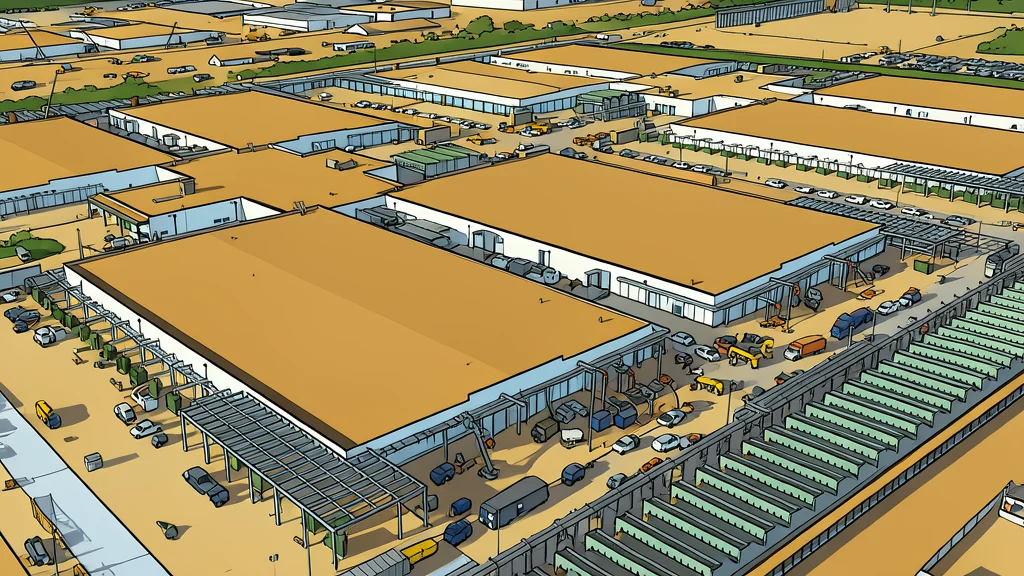
A central pillar of this strategy is the development of hyper-scale data centers and the rapid deployment of 5G networks nationwide. The government is moving beyond basic connectivity to establish a robust backbone for advanced computing. This infrastructure is designed to support the growing demand for cloud services and real-time data processing, which are essential for modern digital economies.
To ensure digital independence, Cairo is advancing its national AI program known as Karnak. This initiative focuses on building generative AI models capable of understanding and generating Arabic text. By developing homegrown AI capabilities, Egypt seeks to protect its data sovereignty and avoid dependence on foreign technology providers. The catch is that such infrastructure requires substantial capital and technical expertise, which may strain public budgets in the short term.
Streamlining Government Digital Services
The administration is also working to unify public services through a single digital identity system. The Unified Government Services Card is being expanded to allow citizens to access various state services through one platform. This involves coordinating with the Ministry of Supply to merge disparate databases, reducing administrative redundancy and improving the efficiency of public service delivery.
Regulating Youth Online Safety
Alongside infrastructure growth, the government is tightening regulations regarding children's online presence. A recent decree mandates that social media platforms ban accounts for users under the age of thirteen. For teenagers aged thirteen to fifteen, platforms are required to enforce mandatory safety settings. This regulatory approach reflects a broader global trend toward protecting minors in digital spaces, though it raises questions about enforcement and privacy.
The government is also investing in human capital through the Digilians initiative, a partnership with the Egyptian Military Academy to train youth for high-demand tech roles. Leaders have emphasized transparency and neutrality in the selection process to ensure fair access to these training opportunities. According to GN auto tech/cloud, these combined efforts in infrastructure, regulation, and education are critical for sustaining long-term digital growth in the region.