Orbital Trash Grows Even Without New Rockets
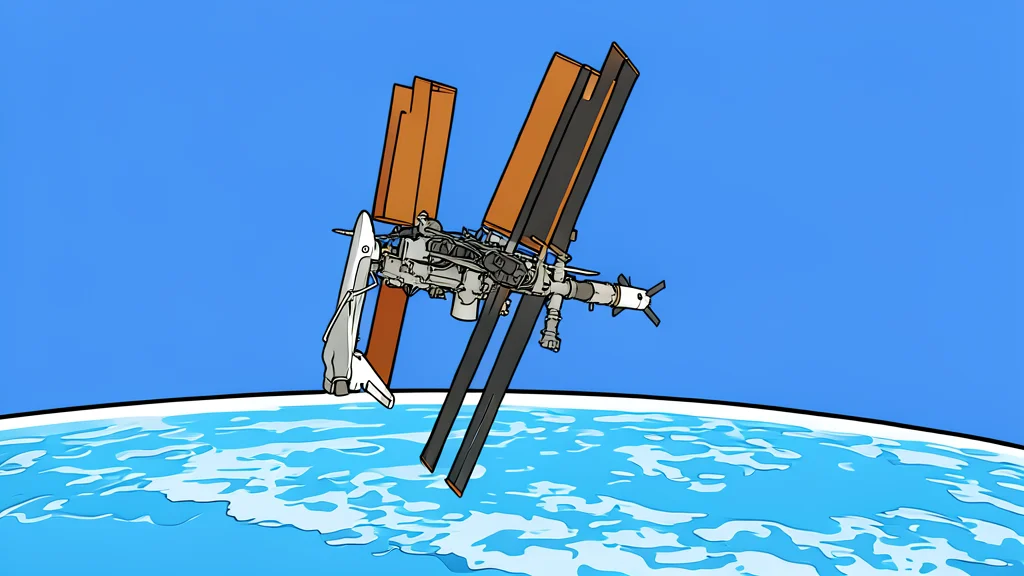
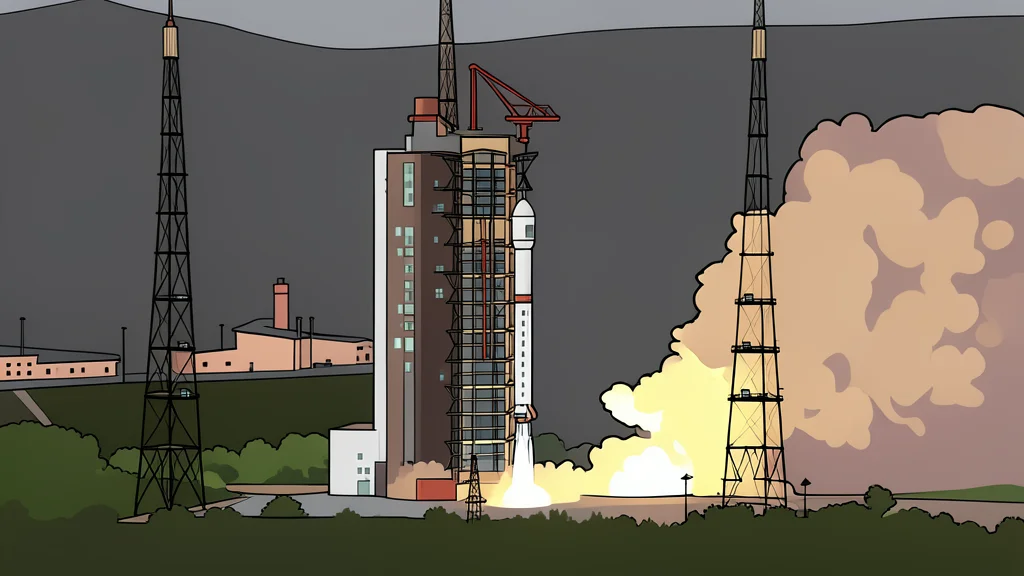
Halting all space launches immediately would not stop the accumulation of debris in Low Earth Orbit, according to a new analysis by the European Space Agency.
Stopping every rocket launch tomorrow would not resolve the growing problem of space debris. The European Space Agency’s Annual Space Environment Report modeled a scenario with no further launches after 2025 and found that debris in Low Earth Orbit would still increase as existing objects collide and break apart.
This finding challenges the assumption that simply pausing new missions will stabilize the orbital environment. Instead, the report indicates that the current population of satellites and fragments is already large enough to sustain a cycle of collisions that generates more waste.
Collisions Drive Ongoing Debris Growth
The agency ran two simulations over a 100-year horizon starting from January 2026. One scenario continued current launch and disposal behaviors, while the other assumed no further launches at all. In both cases, collisions among objects already in orbit kept adding new fragments to the system.
Even in the no-launch scenario, the debris population grew. This suggests that the existing density of objects in certain orbital bands creates a self-sustaining problem where minor impacts lead to larger breaks, creating a cascade of smaller pieces.
Stability Depends on Current Operations
The report describes the current orbital environment as unstable, with collision rates increasing exponentially. It notes that individual large satellite constellations can materially affect the stability of the entire orbital environment on their own. This means that the actions of a single operator can have systemic consequences for all other space users.
According to GN auto tech/space, the key takeaway is that stopping new launches is not enough. The existing debris field is already critical, and without active removal or strict collision avoidance, the risk of further fragmentation remains high regardless of future launch activity.