Australia Tests Heavy Battery-Electric Mining Locomotives
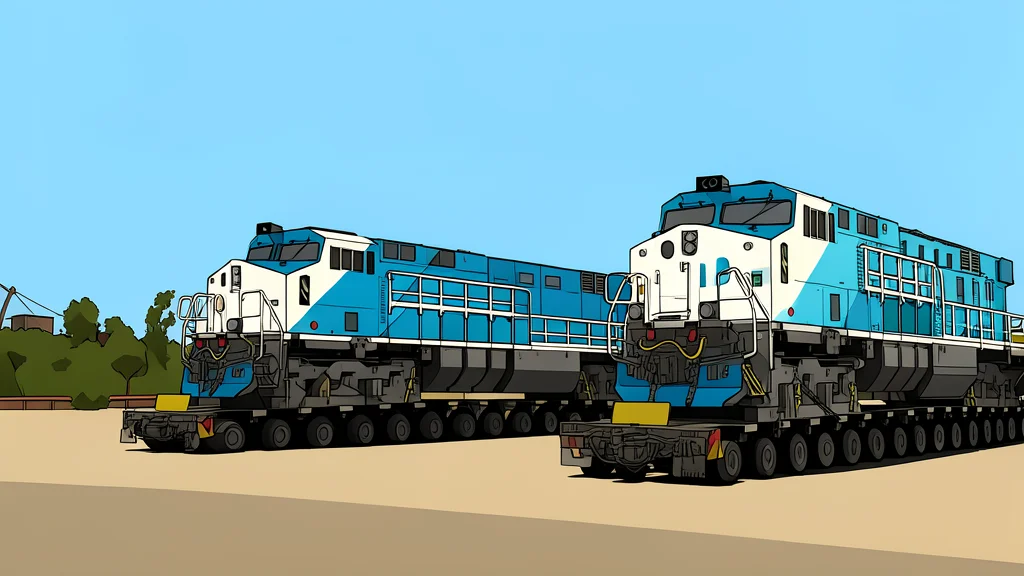
BHP is deploying massive battery-powered trains in the Pilbara region to reduce diesel use, marking a significant step in heavy-haul rail electrification.
Heavy industry is shifting away from diesel engines in Australia’s mining sector. BHP has been operating two large battery-electric locomotives on its rail network in the Pilbara region for nearly a year. These machines are not just modified diesel trains; they are purpose-built vehicles designed to haul iron ore using only stored electrical energy. The move addresses the high fuel costs and emissions associated with traditional mining logistics.
The locomotives, built by Wabtec, represent a significant change in how heavy freight is moved. Each unit carries a 7 MWh battery pack, which is a substantial amount of stored energy for a vehicle of this size. This setup allows the trains to operate without burning fossil fuels, offering a cleaner alternative for long-distance hauls. The technology is being tested in one of the world’s most demanding environments, where reliability is critical for operations.
Regenerative braking captures downhill energy
A key feature of these locomotives is their ability to recover energy. When the train descends a slope while heavily loaded, the electric motors act as generators. This process, known as regenerative braking, converts kinetic energy back into electricity and stores it in the battery. This recovered power can then be used to help propel the train back up the next incline. It is a clever use of physics that reduces the overall energy required from external charging sources.
This efficiency is particularly useful in the Pilbara, where the terrain involves significant elevation changes. By capturing energy during downhill runs, the locomotives can extend their range between charges. While this does not eliminate the need for charging entirely, it significantly lowers the energy consumption per ton of ore moved. For mining companies, this translates to lower operating costs and a reduced environmental footprint.
BHP plans to expand the trial
BHP is not stopping at just two units. The company has announced plans to add more battery-electric locomotives to its fleet. Two additional units from another manufacturer, Progress Rail, are scheduled for delivery and testing. This allows BHP to compare the performance of different technologies in the same operating conditions. Such side-by-side evaluations are rare in the industry and provide valuable data on which systems work best for heavy-haul mining.
The expansion of this trial program indicates a growing confidence in the technology. As more companies look to decarbonize their operations, battery-electric locomotives are becoming a viable option. The success of these trials could lead to wider adoption across the mining sector. It also signals a broader trend toward electrifying heavy industrial transport, moving beyond trucks and into the realm of rail.
Challenges remain for large-scale adoption
Despite the promise, there are significant hurdles. Battery-electric locomotives are expensive to build and maintain. The battery packs themselves are a major cost component, and their lifespan is limited. Replacing them requires substantial capital investment. Additionally, the infrastructure needed to charge these massive vehicles at depots is complex and costly to install. For many operators, the initial financial outlay is a barrier to entry.
There are also operational constraints. While regenerative braking is effective on slopes, it is less useful on flat terrain. In such cases, the train relies entirely on the stored battery capacity, which can limit the distance it can travel without recharging. The weight of the batteries also reduces the payload capacity of the locomotive. These trade-offs mean that battery-electric locomotives are not a one-size-fits-all solution. They are best suited for specific routes and conditions where their advantages outweigh the costs.