House Passes Bill to Limit AI Data Center Energy Costs
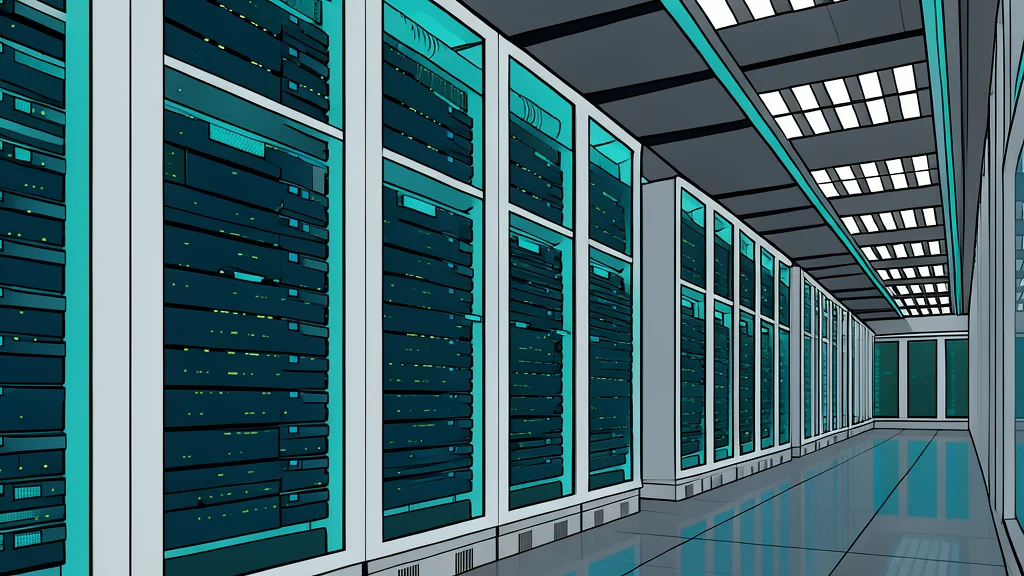
A new bill passed by the House of Representatives seeks to prevent artificial intelligence facilities from driving up local electricity prices.
The U.S. House of Representatives recently approved legislation designed to protect residential and commercial customers from spikes in electricity prices caused by the rapid expansion of artificial intelligence data centers. The bill, which received broad support from members of both major political parties, addresses a growing concern that the massive power demands of these facilities are straining local grids and passing the financial burden onto everyday consumers.
As AI models grow in complexity and size, the energy infrastructure required to support them has become a focal point of legislative debate. The new measure aims to create a regulatory framework that ensures data center operators bear a fair share of the costs associated with grid upgrades and increased consumption, rather than leaving those expenses to be absorbed by neighboring communities through higher utility bills.
Energy demands strain local grids
Artificial intelligence data centers require continuous, high-volume power to run servers and cooling systems. This constant draw on the electrical grid can lead to localized shortages or the need for expensive infrastructure reinforcements. According to GN technics/ai (en-US), the primary goal of the bill is to shield consumers from these elevated costs, ensuring that the rapid growth of the AI sector does not come at the direct expense of household budgets.
The trade-off involved in this legislation is the potential for increased regulatory oversight on data center developers. While the bill seeks to stabilize consumer prices, it may introduce compliance hurdles for companies building new facilities. This balance aims to preserve the economic benefits of AI innovation while preventing a disproportionate financial impact on the general public.
Bipartisan support for consumer protection
The passage of the bill highlights a rare area of consensus in Congress. Legislators from both sides of the aisle recognized the urgent need to address the intersection of technology and energy policy. This bipartisan approach suggests that the concern over energy affordability is viewed as a practical economic issue rather than a partisan one.
By focusing on consumer shielding, the legislation attempts to mitigate the social friction that often accompanies rapid technological adoption. The catch remains that the effectiveness of these protections will depend on how strictly the cost-sharing mechanisms are enforced and monitored over time.
Future implications for AI infrastructure
This legislative move signals a shift in how the U.S. regulates the physical footprint of digital technologies. As the demand for AI computing power continues to rise, the relationship between data centers and the energy sector will likely become a permanent part of political discourse. The bill sets a precedent for holding technology infrastructure accountable for its local environmental and economic impacts.
For consumers, the immediate stake is financial stability in their utility bills. For the tech industry, the stake is a clearer, albeit more costly, set of rules for expansion. The outcome will determine whether the benefits of AI advancement can be shared broadly without penalizing the communities that host the necessary hardware.