New Alliance Aims to Bridge the Data Center Skills Gap
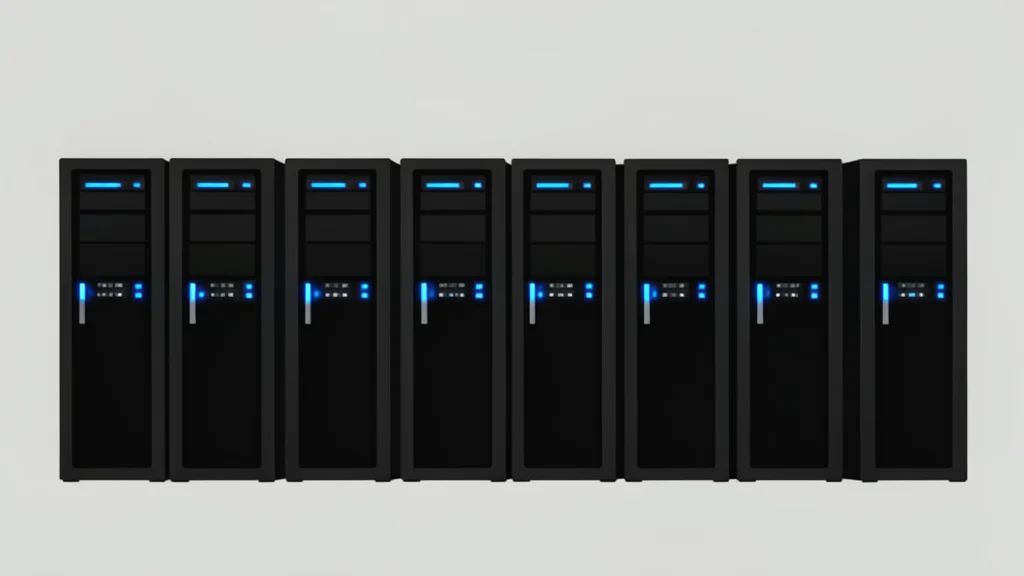
A new national initiative is forming to address the critical shortage of skilled workers needed to build and maintain the expanding network of U.S. data centers.
The rapid expansion of data center construction across the United States has created a significant demand for skilled labor in installation, maintenance, and operations. To address this growing need, a new national workforce initiative has been launched to expand training capacity and better connect employers with emerging talent. This effort aims to mitigate the workforce gaps that currently hinder the development and long-term operation of digital infrastructure.
The initiative, named America’s Mission Critical Workforce, brings together several key industry and workforce organizations. Founding members include Interplay Learning, Cengage, the New American Industrial Alliance, and YouthBuild. By combining their respective strengths in education, industrial perspective, and youth development, the group seeks to create a more robust pipeline of qualified workers for the sector.
Job market trends outpace labor supply
Despite a general decline in overall U.S. job postings, demand for data center workers continues to rise sharply. Recent analysis indicates that job listings in this sector have more than doubled over the past two years, even as the broader job market contracted by approximately 12 percent. This divergence highlights the specific and urgent need for specialized skills in the digital infrastructure sector.
Installation and maintenance roles account for roughly one-quarter of all data center job openings. These positions require hands-on technical expertise that goes beyond traditional construction labor. The challenge is not just about finding workers, but ensuring they possess the specific competencies needed for these mission-critical trades, which are essential for both building and sustaining these facilities.
Digital tools expand training capacity
Traditional training programs often face limitations in instructor availability, laboratory space, and scheduling flexibility. To overcome these barriers, the new initiative is adopting a digital-first approach to education. By leveraging simulation-based learning, virtual reality, and AI-powered instruction, the program aims to increase the number of learners who can be effectively prepared for skilled-trade careers without being constrained by physical classroom capacity.
This technology-driven method allows for earlier connections between employers and potential workers. It enables individuals to develop job-relevant skills in a flexible environment, which can then be supplemented by on-the-job experience. The goal is to create a seamless pathway that helps workers transition from construction activities into longer-term operations and maintenance positions, ensuring a versatile and adaptable workforce.
Alliance partners define strategic roles
Each founding member brings a distinct perspective to the alliance. Cengage contributes its focus on the education-to-employment pipeline, while the New American Industrial Alliance provides an employer-driven view of industrial workforce needs. YouthBuild adds a specialized network dedicated to helping young people who are out of school and work gain essential credentials and job skills. This diverse combination ensures a comprehensive approach to workforce development.
The initiative is currently accepting applications from data center operators, contractors, community colleges, and other workforce development organizations. By aligning training efforts with specific priority roles in construction, operations, and maintenance, the alliance aims to create a targeted and efficient system for developing job-ready talent. This collaborative model seeks to address the immediate demand for construction labor while also preparing workers for the sustained operational needs of digital infrastructure.