Oracle's GPU Demand Surges Despite Massive Infrastructure Expansion
Oracle reports near-full GPU utilization even after tripling its capacity, signaling that AI compute supply remains tight despite record-breaking industry investments.
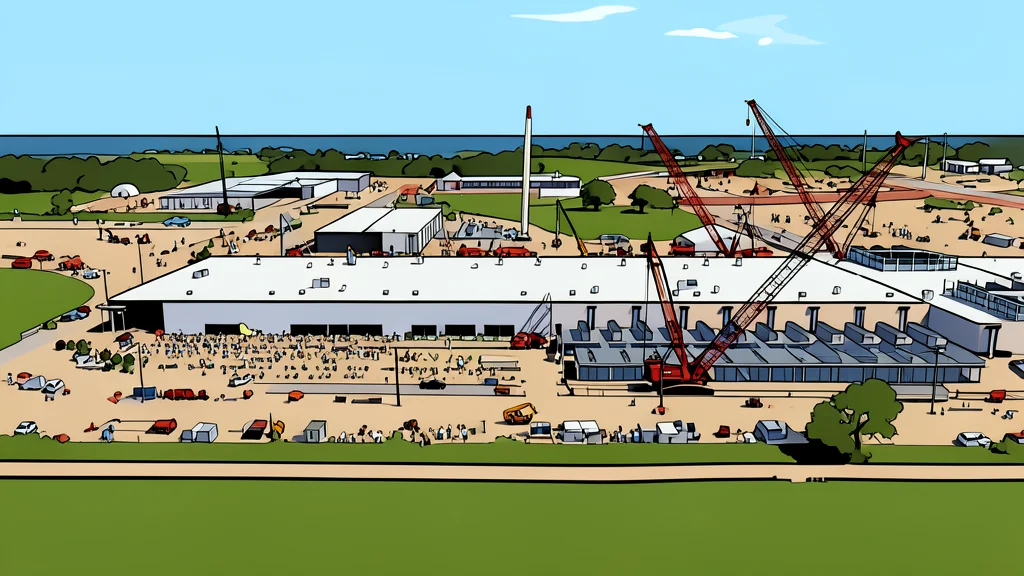
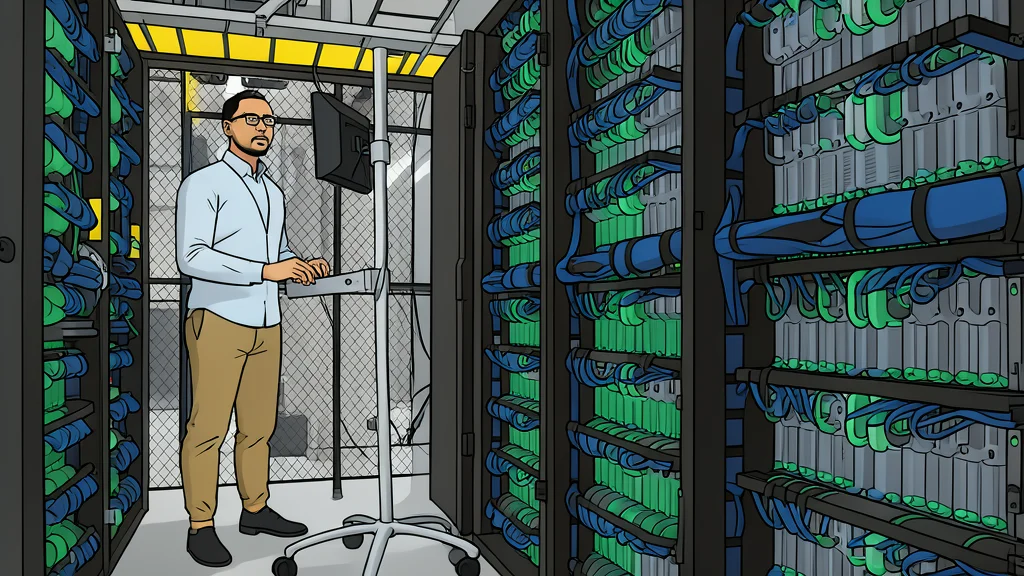
Oracle’s latest earnings reveal a persistent shortage of artificial intelligence computing power. The company supplied customers with 850 megawatts of data center capacity and over 300,000 GPUs in the recent quarter, a volume nearly three times larger than the previous period. Despite this significant expansion, the company reports that its overall GPU utilization rate reached 97.9%, indicating that demand continues to outpace available supply.
This high utilization rate is driving substantial commercial growth. Oracle secured more than 30 billion dollars in new AI cloud contracts during the quarter, pushing its total backlog to 664 billion dollars. Consequently, cloud infrastructure sales surged 121% year-on-year to 7.4 billion dollars. The company explicitly states that the demand for AI training and inference services is growing faster than its ability to provide them, contradicting fears of an immediate oversupply.
Industry Giants Race to Expand Capacity
Oracle is not alone in this aggressive expansion. Microsoft plans to more than triple its global data center capacity from around 12 gigawatts to over 38 gigawatts by 2032. Similarly, Google has raised its annual facility investment outlook to up to 205 billion dollars, while its cloud revenue grew by 82% in the recent quarter. These moves reflect a broader industry consensus that AI computing resources remain scarce, even as major players invest billions to secure a competitive advantage.
Specialized providers are also scaling up rapidly. CoreWeave, an AI-dedicated cloud provider, saw its second-quarter revenue more than double year-on-year to 2.58 billion dollars. Its contract backlog reached 104.2 billion dollars, prompting the company to increase its annual facility investment plan from 35 billion to 39 billion dollars. This surge in spending underscores that the shortage is not limited to traditional tech giants but is a defining feature of the current AI infrastructure market.
Older Hardware Retains Unexpected Value
The tight supply environment has altered the economics of hardware depreciation. Typically, graphics processing units lose value quickly as new models are released every one to two years. However, Oracle is finding that even outdated GPUs, some of which are over four years old, are being resold or re-contracted at higher prices. This phenomenon suggests that the sheer demand for compute power is sustaining the value of older equipment, defying traditional expectations of rapid obsolescence in the tech sector.
Financial Pressure From Rising Costs
Despite strong revenue growth, a significant financial trade-off exists for these companies. While the five largest tech firms are expected to see their annual operating cash flow increase by 340 billion dollars, their facility investment is projected to rise by 534 billion dollars. This means that for every dollar of increased cash flow, investment costs are rising by 1.57 dollars. The challenge now shifts from securing hardware to ensuring that these massive capital expenditures can be recovered through sustained profitability.
Market analysts note that the ability to convert astronomical investments into sufficient profits remains uncertain. The cash flow burden on companies continues to grow as they race to build infrastructure. While the immediate problem of insufficient supply is evident, the long-term sustainability of such high spending levels poses a critical question for investors and stakeholders in the cloud infrastructure sector.