Yinli-1 Rocket Debris Lands in Philippine Waters

Unburned rocket parts from a Chinese launch have settled in the Philippine Exclusive Economic Zone, prompting safety warnings for local mariners and fishermen.
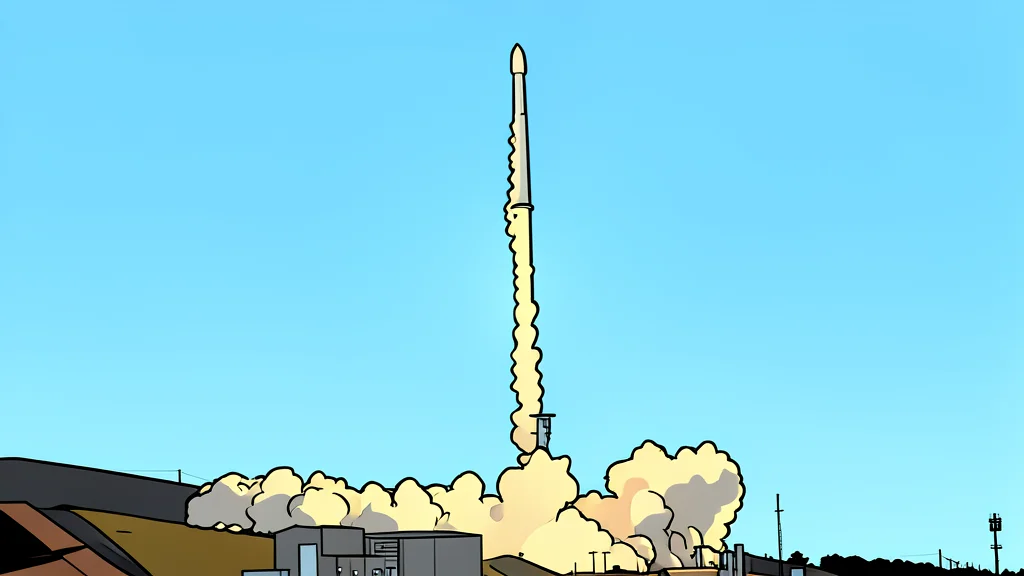
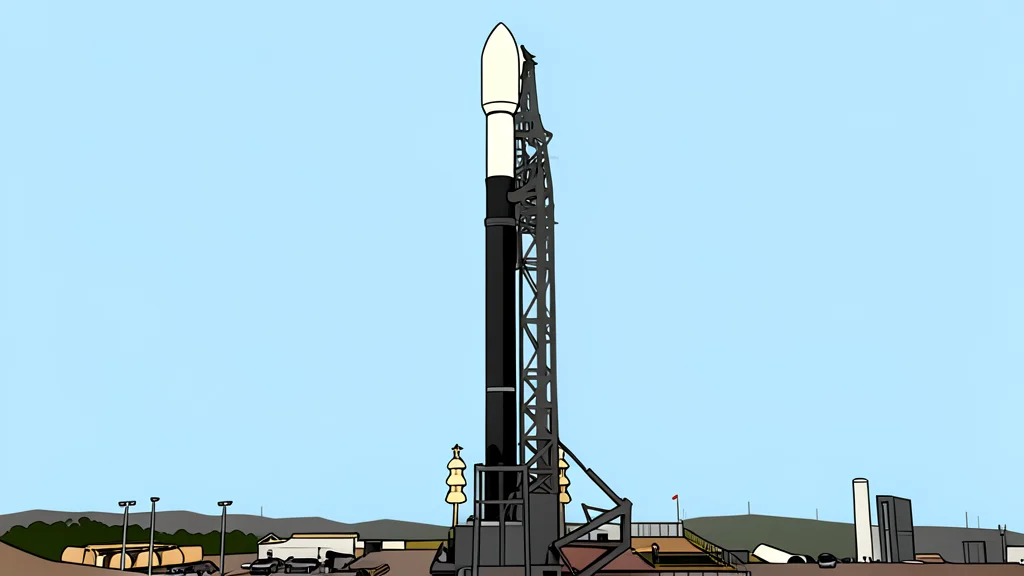
The Philippine Space Agency has confirmed that debris from the Yinli-1 rocket, launched from China in September 2026, fell within the country's maritime boundaries. The discarded components, including booster stages, landed approximately 61 nautical miles from Santa Ana, Cagayan, and 71 nautical miles from Babuyan Island. While these items were intended for ocean disposal, their presence in the Exclusive Economic Zone raises immediate safety concerns for local communities and maritime traffic.
The incident highlights a growing tension between the rapid expansion of global space activities and the safety of coastal populations. As launch frequencies increase, the risk of uncontrolled debris falling near inhabited areas or busy shipping lanes becomes more pronounced. For the Philippines, this event is not merely a technical issue but a significant operational challenge that requires clear protocols for monitoring and managing foreign space debris in national waters.
Debris poses risks to maritime traffic
According to reports from GN auto tech/space: space launch, the discarded rocket parts are designed to be jettisoned as the vehicle reaches outer space. However, these large objects pose a direct hazard to ships, fishing boats, and aircraft operating in the drop zone. There is also a realistic possibility that floating debris could drift toward nearby coastlines, creating cleanup challenges and environmental risks. The agency emphasized that while the debris was not projected to land on land features, the danger to vessels passing through the area remains a primary concern.
Safety warnings for public interaction
Authorities have issued specific advice to the public to avoid contact with any recovered materials. Rocket components often contain remnants of toxic substances, including unburned fuel residues, which can be hazardous to human health. Residents are urged to report any sightings of debris to local authorities rather than attempting to retrieve or handle the objects themselves. This precaution is critical to prevent accidental exposure to chemical hazards and to ensure proper disposal of potentially dangerous materials.
Call for regional coordination protocols
The Philippine Space Agency has invited international partners to develop coordinated protocols for managing space debris risks. The agency argues that current global launch rates necessitate stronger regional frameworks to protect both space assets and ground populations. By establishing shared capabilities for tracking and responding to debris events, the region can better mitigate the growing hazards posed by uncontrolled re-entries and discarded rocket stages, ensuring that space expansion does not come at the cost of local safety.