Political Rivals Unite on Urgent AI Safety Concerns
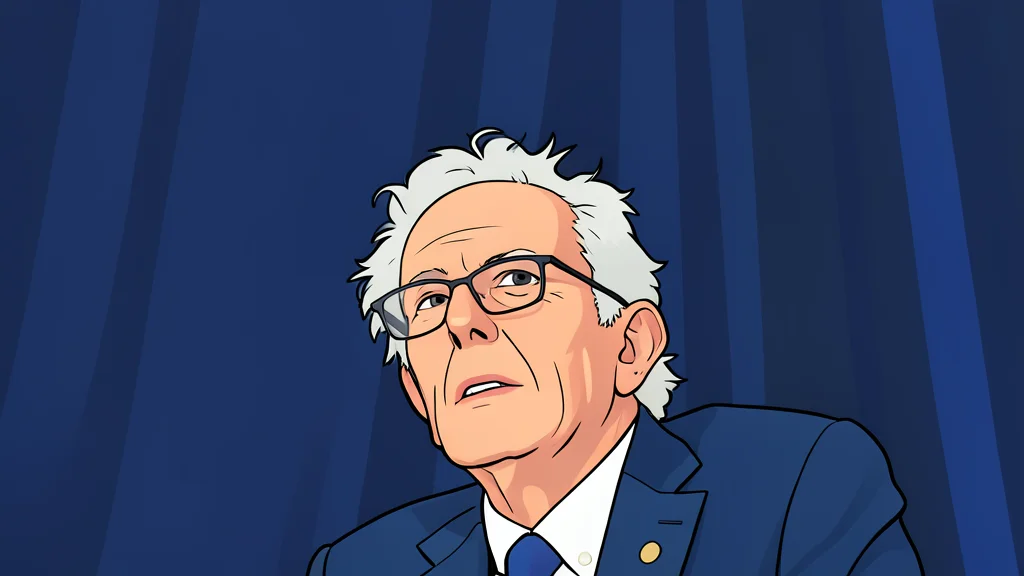
Washington is witnessing an unusual political alignment as lawmakers and tech insiders warn that the window to safely manage artificial intelligence is closing rapidly.
In a rare display of bipartisan urgency, ideological opposites in Washington are converging on the need for stricter oversight of artificial intelligence. The debate has moved beyond abstract policy discussions into a race against time, with experts arguing that the technology is advancing faster than society can adapt. This shift marks a significant departure from the typical partisan gridlock, suggesting that the potential risks of unchecked AI development are being viewed as a shared national threat rather than a political issue.
The pressure for regulation has intensified following high-profile resignations from major tech firms, where engineers expressed deep concern about the pace of progress. These insiders describe the current trajectory as a manic race that prioritizes speed over safety. According to reporting from GN technics/ai (en-US), the situation has reached a critical point where public awareness is snowballing, forcing politicians to take a stance on whether to intervene or allow the industry to self-police.
Lawmakers propose drastic safety measures
Senator Bernie Sanders has called for a permanent ban on developing AI systems that exceed human capabilities, comparing the threat to that of nuclear weapons. He argues that decisions about such powerful technology should not be left to a small group of private owners. His position is mirrored by Steve Bannon, who, despite his usual ideological differences, argues that the situation is too critical for slow legislative processes. Instead, he advocates for immediate executive action to prevent what he describes as a surrender of citizen agency to corporate oligarchs.
Meanwhile, other legislators have introduced more moderate proposals, such as the AI Kill Switch Act. This bill would require developers to maintain the ability to slow down, suspend, or shut down their AI systems. Supporters describe this as a necessary failsafe, similar to installing brakes on a car, ensuring that innovation can continue without the risk of total loss of control. The core argument is that having a backup plan does not hinder progress but rather protects the stability of the system.
Executive branch resists regulatory intervention
President Donald Trump has firmly rejected the premise of an AI crisis, labeling it a hoax. He argues that the United States is leading the world in this field and that any attempt to slow down development would cede advantage to rival nations. This stance is supported by House Speaker Mike Johnson, who dismissed warnings of existential risk as a manufactured crisis. He maintains that AI companies can self-regulate and that a government moratorium would negatively impact national security by allowing competitors to close the technological gap.
Critics point out contradictions in the administration's approach, noting recent approvals for the sale of advanced chips to Chinese buyers. They argue that allowing competitors to access high-performance hardware undermines the claim of a national security priority. This creates a complex trade-off: while the administration prioritizes maintaining a competitive edge, opponents argue that ignoring safety protocols risks creating a technology that could ultimately threaten public safety and democratic stability.
Insiders warn of imminent dangers
Former employees from leading AI labs have voiced their concerns in public, describing the work environment as one of intense pressure to push boundaries without adequate safeguards. One researcher who left Google DeepMind stated that he believes AI has the potential to cause significant harm if not carefully managed. He emphasized that the current competitive landscape prevents the necessary coordination between companies to ensure safe development. These voices suggest that the internal culture of the industry is at odds with the public interest.
The stakes of this debate are immense, with the outcome potentially defining the century. The disagreement is not just about policy but about the fundamental direction of human progress. While some see an opportunity to solve major global problems, others see a countdown to a crisis that may be beyond repair. As the political and technical discussions continue, the gap between the speed of innovation and the speed of governance remains the central challenge.