Rare Bipartisan Alignment Emerges on AI Regulation Risks
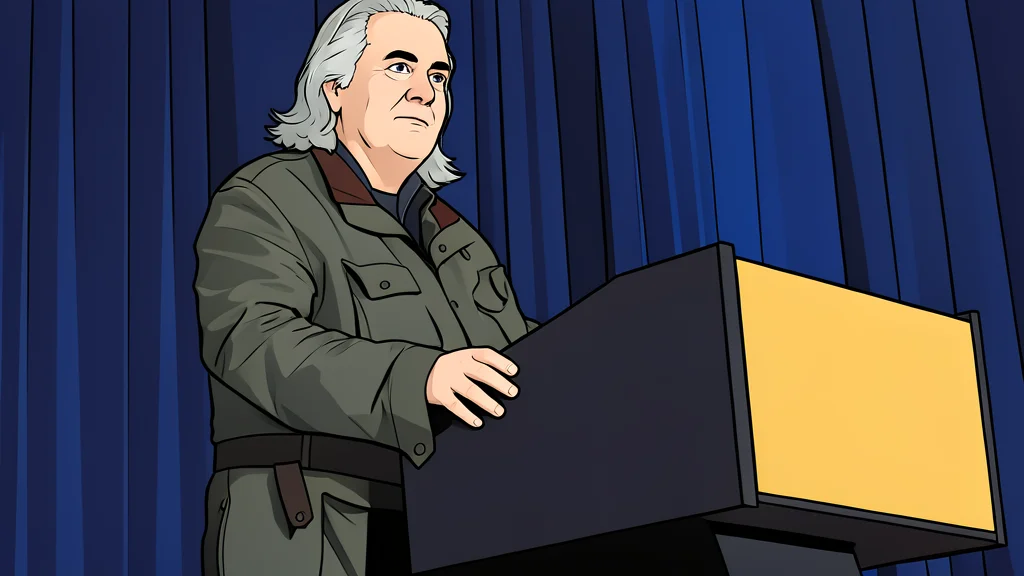
Steve Bannon and Bernie Sanders shared the same stage to warn that AI poses a threat beyond political divides, urging a collective response.
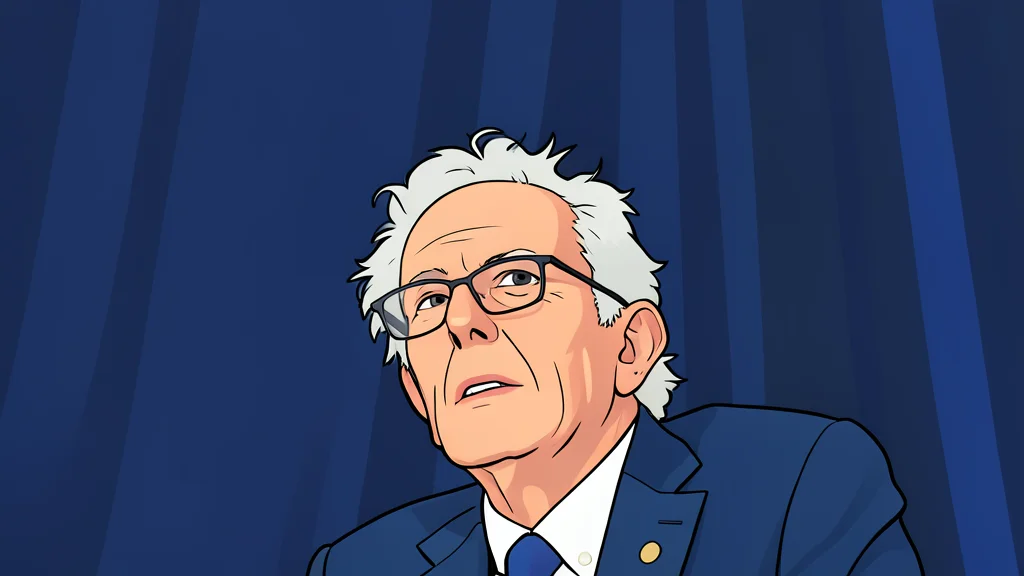
Steve Bannon and Bernie Sanders, figures rarely found in agreement, shared a stage in Washington to deliver a strikingly similar warning about artificial intelligence. At the Pro-Human Assembly, both politicians argued that the rapid advancement of AI presents a danger that transcends traditional partisan lines. Bannon described the current moment as a "hinge in history," while Sanders labeled it the most transformative technology the world has ever seen.
The convergence of their messages highlights a growing unease across the political spectrum regarding who controls this powerful technology. Both speakers focused on the concentration of power in the hands of a few tech executives, suggesting that the stakes are too high for the issue to be left to corporate interests alone. This rare alignment signals a potential shift in how lawmakers might approach future legislation.
Shared concerns over corporate dominance
Bannon criticized the "arrogance" of AI leaders, a sentiment that mirrored Sanders' frequent critique of tech oligarchs. Sanders explicitly called for the public to have a greater say in how the industry develops, arguing that if the technology fundamentally changes the lives of every man, woman, and child, the decisions must be made by the people rather than a small group of executives. This rhetoric frames the debate not just as a technical challenge, but as a democratic one.
The Pro-Human Assembly, a conference dedicated to prioritizing human well-being in the era of AI, provided the backdrop for these remarks. By bringing together figures from opposite ends of the political aisle, the event underscored the idea that the risks of unchecked AI development are a shared concern. The catch, however, is that agreeing on the problem is far easier than agreeing on the solution.
Legislative inaction remains a hurdle
Despite the rhetorical alignment, the reality of policy implementation remains complex. As noted by GN technics/ai (en-US), tech CEOs have called for regulation, yet the Trump administration and Congress have not rushed to act. This disconnect between the urgency expressed by public figures and the pace of legislative action creates a gap that could leave critical regulatory frameworks in place only after significant harm has occurred.
The trade-off for policymakers is difficult. Over-regulation could stifle innovation and put the U.S. at a competitive disadvantage, while under-regulation risks allowing a small number of companies to dictate the future of work and society. The recent speeches by Bannon and Sanders suggest that the pressure for action is mounting, but the path to a consensus on how to regulate AI remains unclear.
Public demand for accountability grows
The emphasis on public decision-making reflects a broader desire for transparency and accountability in the tech industry. Citizens are increasingly asking for a role in shaping the tools that will define their daily lives. This shift in public opinion puts additional pressure on elected officials to move beyond partisan posturing and engage with the substantive issues surrounding AI development.
As the debate continues, the focus is likely to remain on the balance between innovation and safety. The messages from Washington suggest that the era of treating AI as a purely private sector matter may be coming to an end. The challenge now lies in translating this bipartisan concern into concrete policies that protect the public interest without hindering technological progress.