Senate Democrats Warn Trump Is Failing to Block China's AI Access
Senior lawmakers argue loopholes in export controls allow Beijing to acquire advanced chips, undermining U.S. security ahead of Xi's visit.
Key points
- Senior Senate Democrats claim current export control loopholes allow China to access advanced AI chips and manufacturing equipment.
- The warning comes ahead of President Xi Jinping's state visit to Washington, with lawmakers urging a reversal of recent policy decisions.
- Bipartisan concern is evident, as Republican leaders have also warned against allowing Chinese firms to bypass restrictions on sensitive technology.
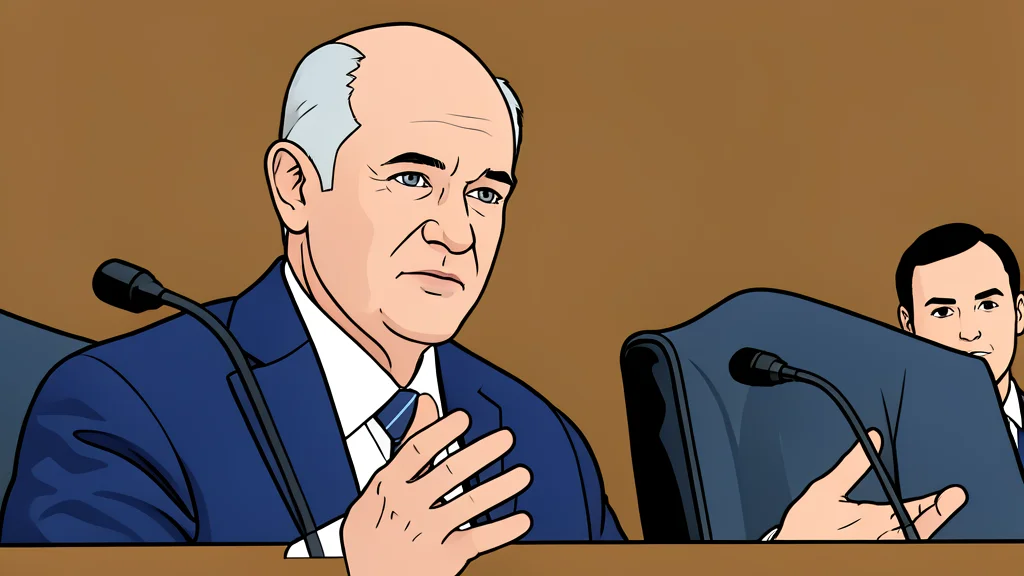
A group of senior Senate Democrats has warned that the current administration is failing to prevent China from accessing critical American artificial intelligence technologies. The lawmakers argue that significant gaps in export controls are being exploited by Beijing to accelerate its own AI capabilities, a development they view as a direct threat to U.S. strategic interests.
This criticism arrives just days before President Xi Jinping’s state visit to Washington. According to a joint statement obtained exclusively by The Hill, these influential Democratic officials believe the current policy approach is not only ineffective but actively harmful to national security, urging the White House to reverse course immediately.
Lobbyists highlight specific control loopholes
The signatories, who hold key positions on committees for armed services, foreign affairs, intelligence, and banking, identified specific weaknesses in the current regulatory framework. They stated that China is using these vulnerabilities to obtain advanced chips and manufacturing equipment necessary for building sophisticated AI systems.
The group, which includes figures such as Senators Chris Coons, Patty Murray, and Jack Reed, emphasized that these are not minor technicalities. Instead, they described the situation as a systemic failure that allows a geopolitical rival to bypass restrictions designed to keep cutting-edge technology out of Chinese hands.
Bipartisan concern over chip exports
The Democrats’ concerns are not isolated to one party. Republican Representative John Moolenaar, chairman of the House Select Committee on U.S. competition with China, has also raised alarms. He recently urged the president to tighten scrutiny on export controls and block illegal access to advanced AI products by Chinese entities.
Moolenaar specifically warned against allowing cloud service loopholes that enable Chinese companies to dodge restrictions. He also highlighted the risk of exporting semiconductor manufacturing technology, arguing that stopping these flows is essential to slowing down Beijing’s AI development plans.
Recent trade deals face scrutiny
The political pressure comes after recent diplomatic moves that critics say have weakened U.S. leverage. In November, the administration paused an expanded blacklist of companies prohibited from buying U.S. technology goods as part of a deal struck during a meeting with Xi in South Korea.
Furthermore, China has received permission to purchase hundreds of thousands of Nvidia H200 chips, with small batches reportedly entering the mainland in August. Opponents of this arrangement argue that the economic benefits to American companies do not justify the potential strategic disadvantage of providing China with such powerful hardware.