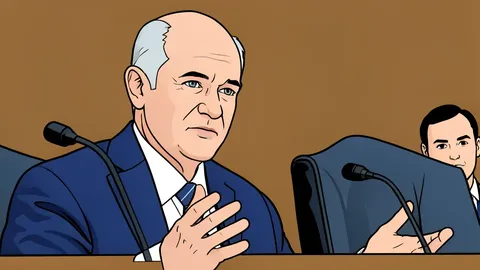
Trump Rejects AI Regulation at UN, Pushes 'super Intelligence' Label
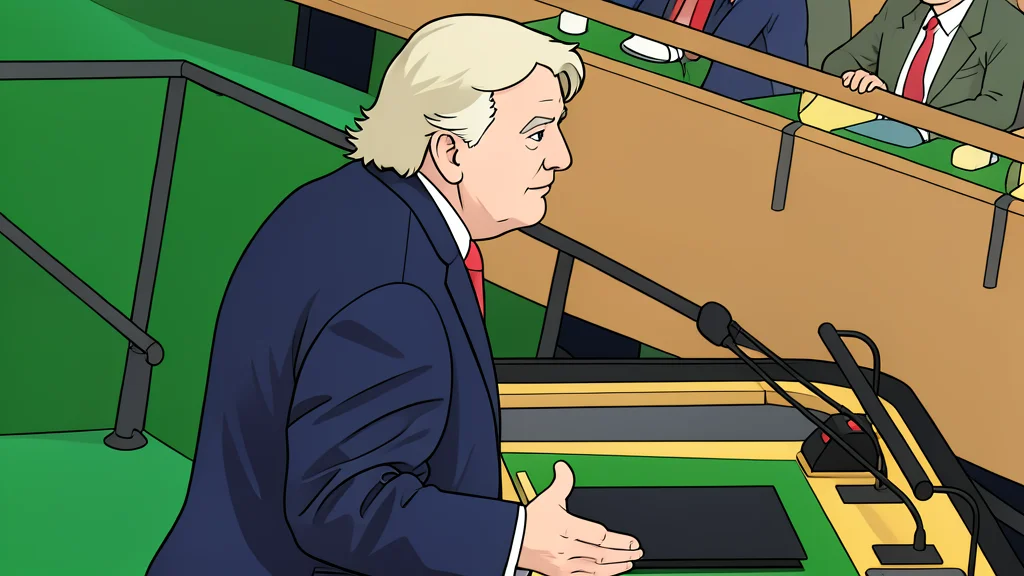
The US president stated he will not restrict AI growth, comparing it to the industrial revolution and dismissing safety warnings.
Key points
- Trump stated the US will not regulate AI, calling it bigger than the industrial revolution.
- He proposed replacing 'artificial intelligence' with 'super intelligence' in official documents.
- The president dismissed safety warnings, comparing them to his views on climate change.
President Donald Trump addressed the United Nations General Assembly on Tuesday, declaring that the United States will not impose regulatory constraints on the development of artificial intelligence. He argued that the technology is poised to surpass the scale of the industrial revolution and that government intervention would stifle necessary economic progress.
During his speech, the president proposed a terminological shift, suggesting that the term "artificial intelligence" is inaccurate. He advocated for the use of "super intelligence" instead, stating that this label better reflects the trajectory of the technology and should be adopted in official US documents and potentially by other nations.
Dismissing safety warnings as political
The president responded to growing concerns from tech industry leaders and scientists who have warned that rapid AI advancements outpace current safety measures. Trump dismissed these cautions, equating the skeptics with those who previously raised alarms about global warming, a topic he has historically characterized as a hoax. By framing safety advocates as part of a broader political narrative he rejects, he signaled a refusal to adopt the oversight mechanisms many experts deem essential.
This stance places the US in a distinct position relative to other international bodies that are currently debating frameworks for AI governance. The administration's approach prioritizes unrestricted market growth over preemptive risk assessment, effectively betting that innovation will yield more benefit than harm without the need for strict governmental guardrails.
Renaming the technology sector
The proposed rebranding of the sector to "super intelligence" carries implications for how the technology is perceived by the public and policymakers. By removing the word "artificial," the administration may be attempting to distance the technology from its computational origins, framing it instead as a natural extension of human capability. This linguistic choice aligns with a broader strategy to emphasize the transformative potential of the sector while minimizing its perceived risks.
PBS reported on the address, noting that the feed was sourced directly from the United Nations rather than the White House. The outlet emphasized its commitment to independent journalism, particularly in the context of ongoing disputes over press access to administration materials. This distinction highlights the effort to maintain a clear line between official state communications and independent news coverage.
Prioritizing growth over regulation
The core of the administration's policy is a belief that regulation hinders innovation. Trump stated that while caution is necessary, the primary goal must be to encourage the expansion of AI capabilities. This perspective contrasts with calls from prominent tech executives who have recently urged for stronger government oversight to prevent potential societal harms.
The trade-off of this approach is significant. By refusing to "rein it in," the US accepts the potential for unchecked development, betting that the economic and strategic advantages of leading the AI race outweigh the risks of unforeseen negative consequences. This decision sets a precedent for how the US will engage with the global AI landscape in the coming years.