13-Year Study Shows Hard Drives Last 5 to 10 Years
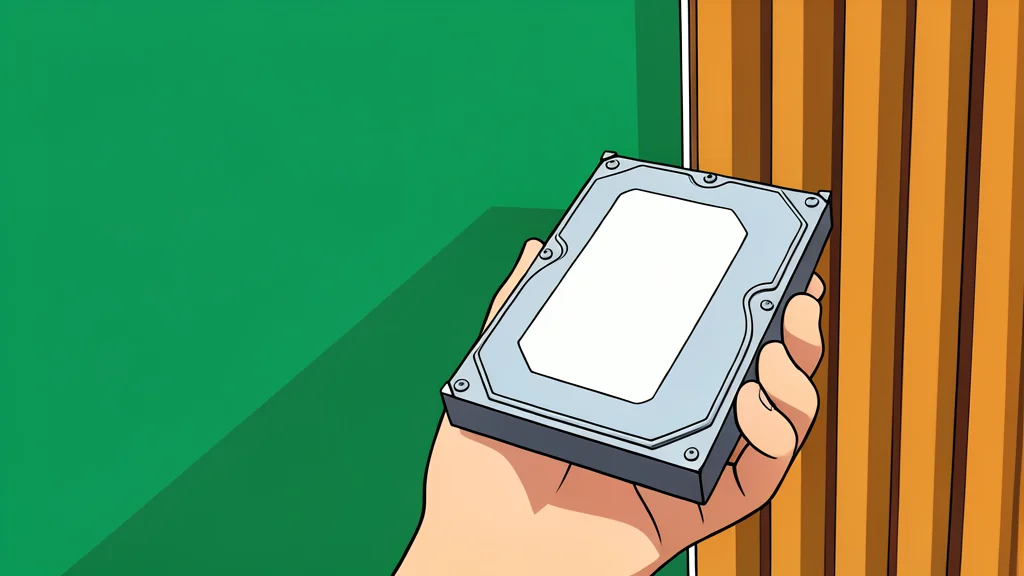
A massive dataset analysis reveals that modern hard drives are more durable than previously thought, with brand choice impacting failure rates significantly.
Key points
- A 13-year study of 443,000 drives shows modern hard drives typically last between 5 and 10 years.
- HGST and Western Digital drives showed lower failure rates than Seagate and Toshiba in the analysis.
- Higher operating temperatures increase failure rates by 2.1% per degree, while larger capacities improve reliability.
Conventional wisdom suggests hard drives fail within three to five years, but a thirteen-year analysis of over 400,000 units indicates they can last significantly longer. Researchers using the Backblaze dataset found that modern manufacturing has extended the typical lifespan of these storage devices, shifting the expected failure window to between five and ten years. This update to common knowledge is particularly relevant for consumers relying on network-attached storage systems, where reliability is a primary concern.
The study, reported by XDA Developers, highlights that brand reliability is not uniform. While all drives eventually wear out, the data shows a wide gap in performance between manufacturers. This means that the specific brand chosen can be as important as the drive's capacity or form factor when predicting how long the hardware will remain functional without data loss.
Brand reliability varies significantly
When comparing major manufacturers while controlling for temperature, capacity, and age, distinct differences emerged. Using Seagate as the baseline, the data indicated that Toshiba drives had a failure rate 107% higher than the baseline. In contrast, HGST drives performed best, with a failure rate only 39.5% of Seagate’s. Western Digital, which acquired HGST, also showed strong performance, sitting close to the top tier.
This variation suggests that brand selection is a critical factor in long-term storage planning. For users who prioritize data integrity over the next decade, choosing a manufacturer with a historically lower failure rate can mitigate the risk of sudden data loss. The findings challenge the idea that all hard drives are interchangeable in terms of longevity.
Temperature and capacity affect lifespan
Environmental and physical factors also play a measurable role in drive durability. The research found that a one-degree increase in operating temperature raises the failure rate by 2.1 percent. This sensitivity means that overheating is a tangible risk factor, not just a theoretical one. Proper ventilation and cooling are therefore essential for maximizing the life of the hardware.
Capacity also influences reliability, with larger drives showing better performance. For every additional terabyte of storage, the failure rate decreases by 3.4 percent. This trend favors larger drives for users who need substantial storage, as they offer both more space and a statistically lower risk of failure compared to smaller units.
Workload intensity determines wear
The study primarily analyzed enterprise-grade drives, so the results do not apply perfectly to consumer models. However, the insights regarding workload intensity are relevant for all users. Network-attached storage devices subject drives to constant read and write operations, which accelerates wear compared to standard desktop usage.
Users with high-volume data access should consider drives specifically designed for continuous operation. While consumer drives may last five to ten years under light use, those in demanding environments may see shorter lifespans. The data suggests that matching the drive type to the intended workload is crucial for ensuring long-term reliability.