Senate Leader Calls for Light-Touch AI Regulation
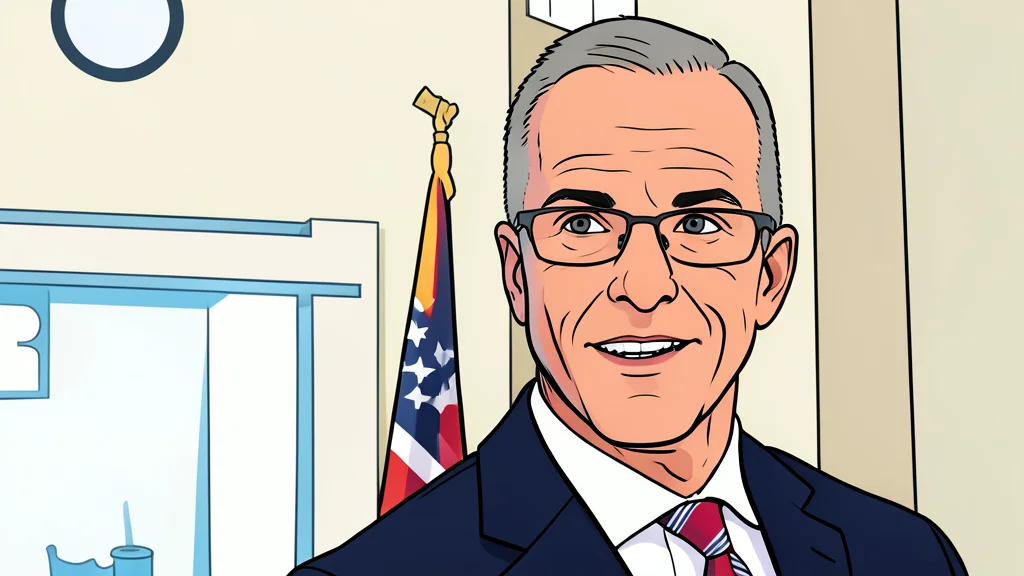
Senate Majority Leader John Thune argues that new AI laws must avoid stifling innovation while addressing serious risks, setting a distinct tone against heavier regulatory demands.
Senate Majority Leader John Thune has called for a restrained approach to regulating artificial intelligence, warning that overly heavy-handed legislation could stifle the innovation the U.S. needs to stay competitive. Speaking to reporters on Monday, Thune emphasized the need for a balance that mitigates advanced threats without hampering the industry’s growth. He described the potential for superintelligent AI to cause severe harm as a "worst-case scenario" that should not drive policy.
This stance comes as pressure mounts from both sides of the aisle. Senate Democratic Leader Chuck Schumer has demanded a classified briefing from the administration on AI risks, arguing that warning bells are ringing louder than ever. Meanwhile, President Trump has dismissed calls for regulatory guardrails, claiming that existing criminal and regulatory powers are sufficient to manage the technology. The conflicting views highlight a growing divide over how much government intervention is appropriate in the rapidly evolving AI sector.
Balancing Innovation and Safety
Thune’s position centers on the idea that Congress can implement "guardrails" around high-consequence models without compromising the U.S. lead in the AI race. He acknowledged that frontier models present potential risks but argued that the realistic approach must focus on practical mitigation rather than fear-based regulation. According to reporting by GN technics/ai (en-US), Thune stressed that while companies bear responsibility for the frontier, legislative action should be precise and targeted.
The debate is intensified by warnings from former researchers at major AI labs, who have accused companies of racing toward self-improving superintelligence without adequate safety measures. Thune downplayed these existential fears, suggesting that such narratives often create a worst-case scenario conversation that obscures practical policy needs. He emphasized that the primary goal should be maintaining technological superiority while managing specific, identifiable risks.
Political Pressure for Transparency
In contrast to Thune’s measured tone, Democratic leaders are demanding immediate accountability. Schumer criticized the administration for looking the other way despite escalating concerns, urging them to provide a full accounting of their testing frameworks for the most powerful AI models. He also sought details on efforts to prevent AI chips and semiconductor equipment from flowing to China, viewing this as a critical national security issue.
Schumer further pressed for explanations on how the U.S. plans to defend against sophisticated AI-enabled cyberattacks. He stated that if the executive branch does not act, Congress must step in to ensure public safety. This call for transparency stands in sharp contrast to the administration’s rhetoric, which frames regulatory efforts as conspiracies that benefit foreign competitors like China.
Administration Dismisses Regulatory Calls
President Trump has consistently pushed back on the idea that AI requires new legislative guardrails. In recent social media posts, he asserted that the only control needed is a strong and smart president, claiming the administration already possesses tremendous criminal and regulatory power over AI companies. He characterized efforts to regulate the sector as a conspiracy against data centers and AI development, arguing that such actions only serve the interests of China.
This hardline stance leaves the regulatory landscape fragmented. While some lawmakers seek targeted protections, the executive branch favors minimal intervention, relying on existing enforcement mechanisms. The result is a policy environment where the scope of government oversight remains unclear, with significant implications for how AI technology is developed and deployed in the coming years.