WHOOP Launches Jewelry-Style Fitness Band at $229
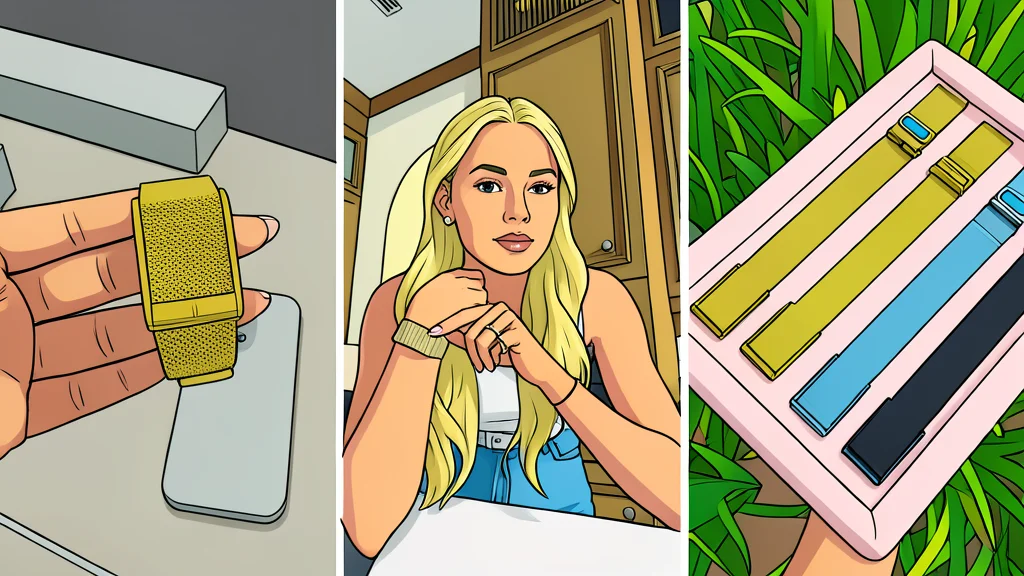
WHOOP is challenging the sporty look of fitness trackers with a new stainless steel band designed to resemble fine jewelry, addressing a common complaint that devices are too bulky for daily wear.
Fitness wearables have long been defined by their utility over style, often appearing as chunky, technical gadgets that clash with formal attire. WHOOP is attempting to shift this perception with the release of Meridian, a new band collection designed to look less like a piece of hardware and more like a refined accessory. The move addresses a persistent gap in the market where users frequently remove their trackers for social events due to their unrefined appearance.
The new line is constructed from waterproof stainless steel with a Milanese mesh texture, featuring a tapered silhouette and a magnetic adjuster. According to GN auto tech/wearables: fitness tracker, the design aims to sit comfortably alongside existing jewelry rather than competing with it. This approach targets the specific demographic that currently removes their devices for special occasions, with internal data suggesting that 35 percent of female members have done so in the past.
Stainless steel replaces plastic housings
The core change in Meridian is the material shift from the typical silicone or plastic bands found in most fitness trackers to a solid metal construction. The band is available in four finishes: Gold, Rose Gold, Alloy, and Matte Black. Each unit is priced at $229, positioning it as a premium option within the WHOOP ecosystem. The magnetic mechanism allows for quick adjustment, a feature that prioritizes ease of use while maintaining a sleek, uninterrupted profile on the wrist.
This design choice reflects a broader trend where wellness devices are being integrated into everyday fashion rather than being relegated to gym bags. By mimicking the aesthetic of jewelry, the device aims to reduce the friction of wearing it continuously. The goal is to encourage users to keep the tracker on around the clock, ensuring that the continuous data collection required for accurate health insights is not interrupted by social or professional contexts.
Performance focus remains the core function
Despite the cosmetic overhaul, the underlying technology remains focused on physiological insights rather than general smartwatch features. WHOOP devices do not handle notifications, calls, or apps, distinguishing them from all-purpose smartwatches. Instead, they prioritize tracking sleep, recovery, and strain. This specialization means the device is not a replacement for a primary smartphone companion, but a dedicated tool for understanding how the body responds to training and daily activity.
The trade-off for this specialization is clear: users who rely on their wrist for communication or navigation will find WHOOP insufficient. The device is designed for those who value deep-dive health metrics over utility. By removing the clutter of a touchscreen and app ecosystem, WHOOP can maintain a simpler, more durable design. The Meridian collection reinforces this by removing visual distractions, allowing the user to focus on the data provided by the sensors rather than the interface.
Premium pricing reflects material costs
At $229, the Meridian band is a significant investment, particularly when compared to standard rubber bands that often cost a fraction of the price. This price point reflects the use of stainless steel and the precision engineering required to create a waterproof, jewelry-like form factor. While the base subscription for WHOOP’s data services is separate, the hardware cost is now a notable barrier for entry. Consumers must weigh the aesthetic benefit of a metallic band against the financial cost of upgrading from existing plastic options.
The launch also highlights a strategic pivot toward a broader consumer base, including those in creative industries who may find traditional sports gear aesthetically unappealing. The campaign features a mix of athletes and creative professionals, signaling that the brand is no longer targeting solely high-intensity athletes. However, the core functionality remains unchanged, meaning the device is still best suited for those who prioritize health tracking over smart features. The catch remains that you are paying for style in addition to performance, a combination that not all consumers will find necessary.