Starlink V3 Satellites Ready for First Orbital Deployment
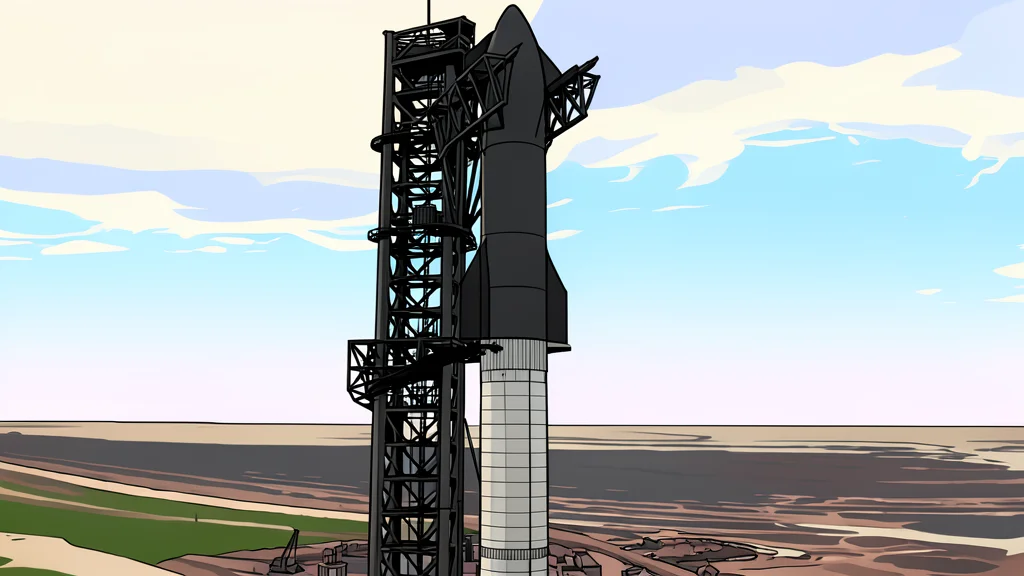
SpaceX plans to launch its most powerful Starlink satellites into orbit on September 28, marking a shift from testing the rocket to delivering real internet capacity.
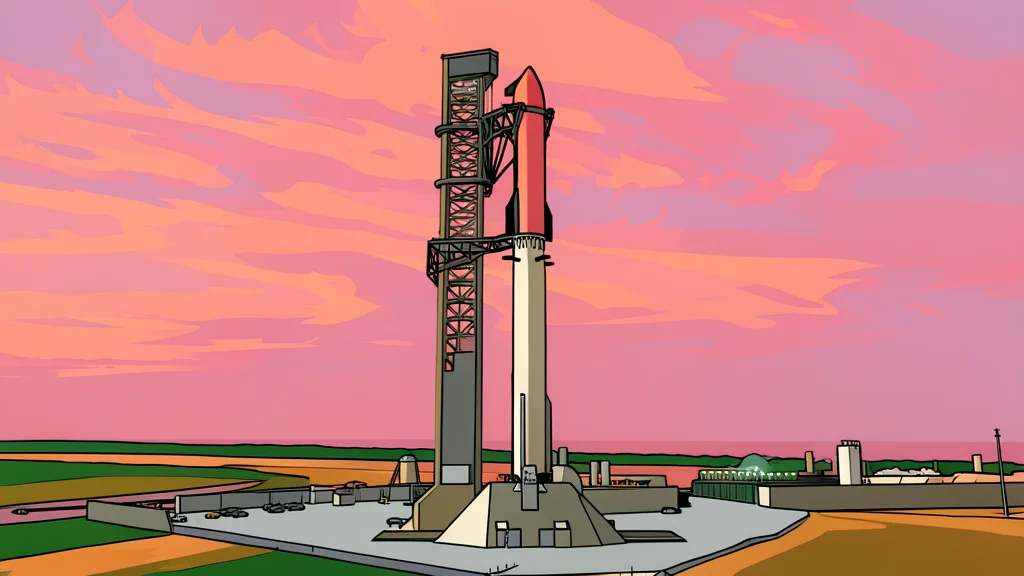
SpaceX is preparing for its 14th Starship test flight, scheduled for as early as September 28, pending regulatory clearance. Unlike previous missions that ended in controlled reentry, this launch aims to place 26 new-generation Starlink V3 satellites into stable orbit. If successful, it will be the first time these high-capacity units join the operational constellation, representing a significant step from vehicle testing to actual service delivery.
The previous flight in July served as a suborbital test where 20 V3 satellites were deployed only to burn up shortly after. This upcoming mission differs fundamentally by targeting orbital insertion. Each V3 satellite offers roughly 1 terabit per second of downlink capacity, a tenfold improvement over the current V2 model. This increase in bandwidth is designed to support more users and compete with rivals like Amazon Leo, though the trade-off remains that the infrastructure is still largely suited for low-density rural markets rather than dense urban centers.
First Orbital Mission for Starship
This launch is also a critical milestone for the Starship vehicle itself. It is the first attempt to put the rocket's upper stage into orbit, flying approximately 275 kilometers above Earth for six orbits. The goal is to validate the vehicle's ability to sustain orbital operations, a prerequisite for making Starship fully and rapidly reusable. Success here would allow SpaceX to begin the next phase of development, focusing on reusing both the booster and the upper ship stage.
The booster, which has been modified to address prior hardware and software issues, is expected to perform a landing burn in the Gulf of Mexico. While the booster has been successfully re-flown before, the upper stage has not yet achieved orbit. Analysts note that this flight is the first point where Starship can begin adding usable broadband capacity rather than just proving the vehicle works. It provides a tangible proof point for the broader connectivity ambitions enabled by the rocket.
Future Reusability and Catch Attempts
Looking ahead, SpaceX CEO Elon Musk stated that if the 14th test is successful, the company will attempt to catch the upper stage using arms attached to a launch tower during the 15th test. Musk gave a 50 to 60 percent chance of successfully catching the stage on the first attempt. This ambitious plan aims to drastically reduce launch costs and increase frequency, which is essential for the rapid deployment of the V3 satellite constellation.
The V3 technology will also support future services, including Starlink Mobile and direct-to-device capabilities using spectrum acquired from EchoStar. According to GN auto tech/space: satellite deployment, the combined payload of the 26 V3 satellites in this test will support about 26 terabits per second of total capacity. While this is a significant boost, the company must still navigate the complexities of orbital mechanics and reusability to make the system economically viable for mass adoption.