Chinese Startup Predicts Practical Humanoid Robots by 2027
Spirit AI claims its wheeled robots can now handle simple household tasks with high success rates, signaling a potential shift from industrial use to domestic service within the next two years.
Gao Yang, co-founder of Spirit AI, stated that the robotics industry is approaching a transformative milestone comparable to the rise of generative AI. The company predicts that by mid-2027, humanoid robots will be able to understand natural language instructions and execute a wide range of physical actions. This development marks a significant step toward robots that can operate in diverse environments rather than performing single, pre-programmed tasks.
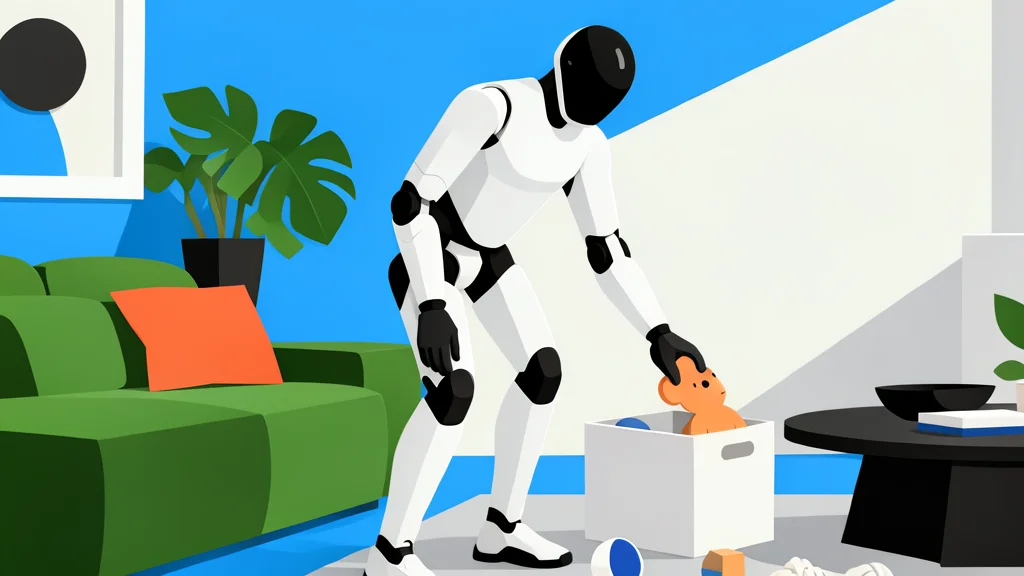
The breakthrough is driven by what the company calls a Universal Brain, a system designed to allow robots to perceive, reason, and act in the physical world. Currently, Spirit AI reports a 90% success rate for its robots in performing simple tasks within structured living-room settings. This capability relies on a massive dataset of human interaction, known as dirty data, which captures the unpredictability of real-world objects and movements.
Data-driven learning over simulation
Unlike many competitors who rely on computer simulations, Spirit AI prioritizes real-world data collection. Approximately 1,000 contractors across China wear data-collection equipment while performing everyday tasks such as opening refrigerators and cutting vegetables. This approach allows the AI models to learn how humans interact with flexible and unpredictable objects, such as electrical cables, which are difficult to simulate accurately.
The company has accumulated over 200,000 hours of interaction data and aims to reach one million hours by the end of 2026. This strategy addresses a key weakness in current robotics, where robots often struggle with fine-motor tasks or situations that differ from their training environments. By focusing on messy, real-world information, Spirit AI seeks to build robots that can handle the chaos of actual homes and factories.
Current limitations and industrial focus
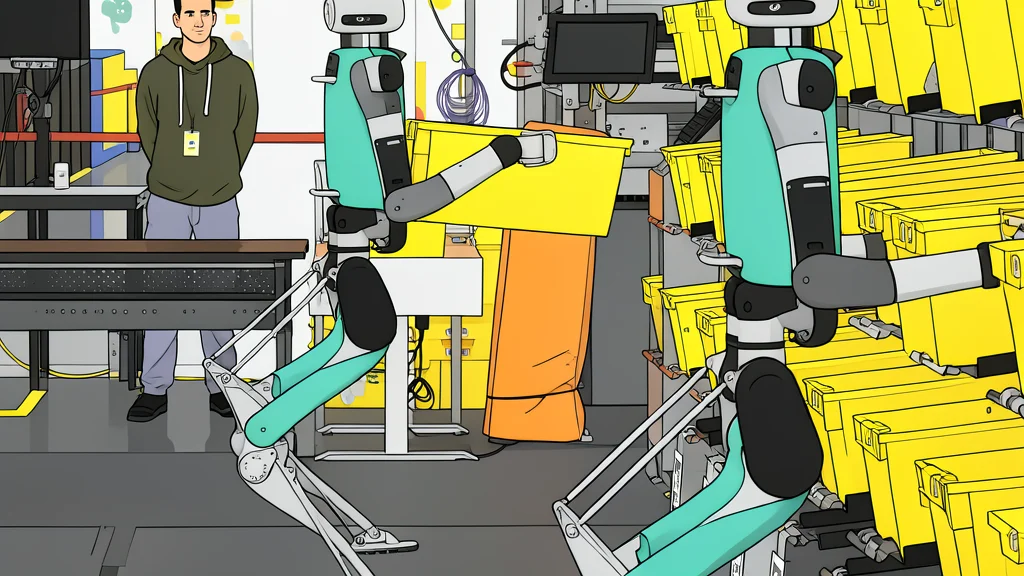
Despite the promising progress, Gao cautioned that operating in a controlled living room is vastly different from navigating a cluttered home. The next one to two years are expected to be the initial window for industrial applications. Robots are likely to be deployed in commercial service settings for simpler tasks before they can reliably handle the complexity of domestic environments.
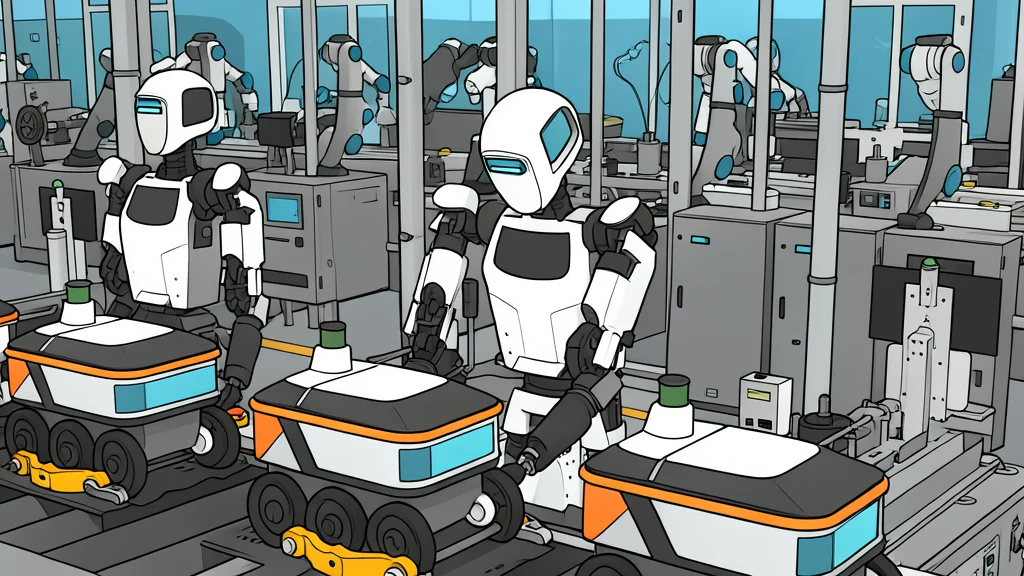
Spirit AI’s Moz1 wheeled humanoid robots are already deployed on production lines at major companies like CATL and JD.com. These robots handle tasks such as managing flexible wire harnesses, a challenge that requires precise manipulation of bending and deforming objects. The company has raised over $670 million and is valued at approximately $2.9 billion, reflecting investor confidence in its approach.
Challenges in fine motor skills
Robots still face significant difficulties with fine-motor tasks, such as unscrewing bottle caps, and when encountering situations significantly different from their training data. The brain remains the weakest link in the robotics stack, and while progress is rapid, the gap between laboratory success and reliable home use remains wide. Safety concerns will also become increasingly important as robots move closer to human living spaces.
The path to a true ChatGPT moment for robotics requires not just better language models, but robust physical interaction capabilities. Spirit AI’s approach suggests that the key to this breakthrough lies in learning from the imperfections of human movement and the unpredictability of the physical world. As the industry moves toward mid-2027, the focus will shift from industrial efficiency to the nuanced demands of domestic life.