Weld County Approves Massive AI Data Center Despite Local Opposition
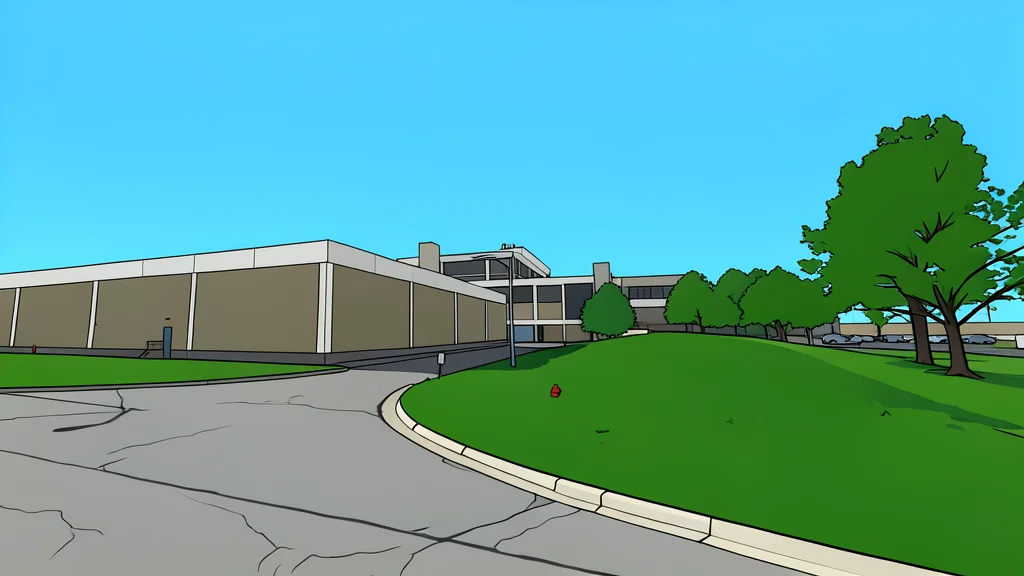
Commissioners in Weld County have greenlit a 41-acre facility that could become the largest in Colorado, overriding significant community concerns over resource usage.
The Weld County Board of Commissioners voted unanimously on Wednesday to permit the construction of a new artificial intelligence data center near Windsor. The five-to-zero decision authorizes a 41-acre development by Global AI, a project that officials say could eventually become the largest data center in the state. This approval marks a significant shift in local policy, occurring just as other Colorado municipalities are moving to pause similar developments due to resource constraints.
The vote followed a lengthy public hearing where hundreds of residents expressed strong opposition. Critics argued that the facility would strain local water and electricity supplies, creating conflicts with planned residential growth nearby. However, the commissioners concluded that the site, formerly an industrial campus, met the necessary zoning criteria for light industrial use, prioritizing economic development over the expressed concerns of neighbors.
Resource constraints drive community concern
The primary friction point in the debate was the potential impact on local utilities. Global AI requires substantial power, with its first phase expected to draw 27.5 megawatts. While the local electric association issued a letter committing to provide 35 megawatts, critics noted that this document did not detail how the physical infrastructure would deliver that much energy to the site without affecting household users. Water usage was another major worry, with residents fearing that the facility’s thirst would outpace the county’s ability to sustain it alongside residential needs.
Strict conditions limit operational impact
To address these fears, the permit includes specific binding conditions. Global AI must use a closed-loop cooling system, which recirculates water rather than discharging it, significantly reducing long-term consumption. The initial fill requires about 65,000 gallons, with an annual top-off of only 6,500 gallons. Additionally, the company is required to keep noise levels at or below the existing ambient sound of the area, ensuring that the hum of servers does not become a nuisance for nearby residents.
The company also pledged to secure a financial bond to cover future decommissioning costs, protecting taxpayers from potential abandonment liabilities. According to David Foster, the attorney representing Global AI, the facility will operate at approximately 65 decibels, a volume comparable to a normal conversation, and will only exceed this limit during rare emergency generator use. These measures were presented as evidence that the project can coexist with the surrounding community without degrading quality of life.
A pivot in regional policy
This approval stands in contrast to the current trend in Colorado, where several local governments are enacting moratoriums on new data centers. The divergence highlights a growing tension between the rapid expansion of AI infrastructure and the limited capacity of rural utility grids. As reported by GN technics/ai (en-US), this decision reflects a county-level choice to embrace industrial growth, betting that strict regulations and existing infrastructure can mitigate the downsides for local residents.