Data Centers Strain Rural Water and Power Resources

Farmers in Kansas and Nebraska warn that expanding data centers threaten local water supplies and grid stability, creating a conflict between tech growth and agricultural sustainability.
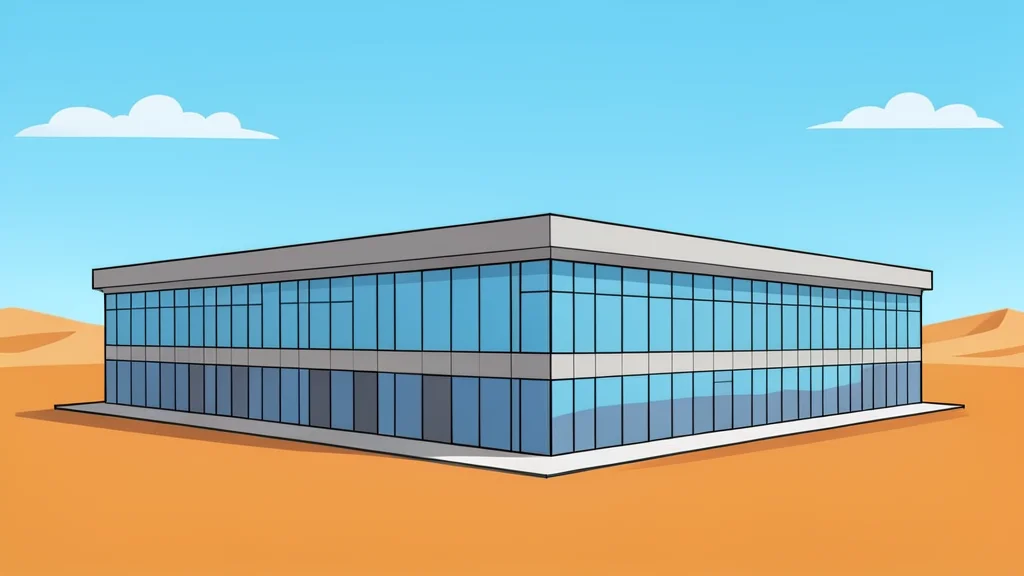
A growing tension is emerging in rural America as the tech industry pushes to build more data centers in agricultural regions. Farmers in Kansas and Nebraska are raising concerns that these facilities will drain local water supplies and overload electrical grids. The issue is not just about new construction, but about the long-term impact on the resources that sustain farming communities.
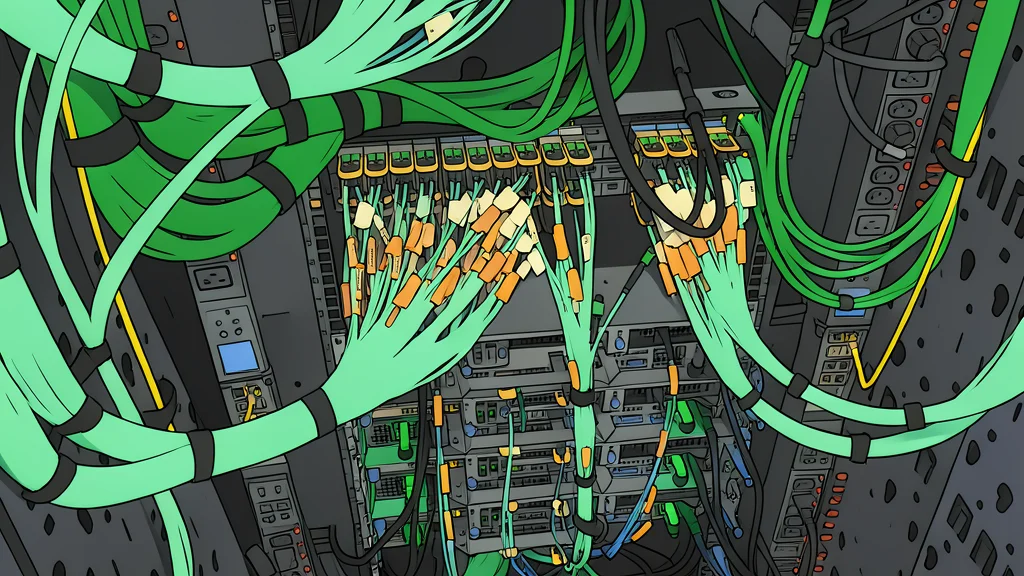
While data centers offer economic opportunities, they also consume significant amounts of water for cooling systems and electricity for server operations. For producers who rely on predictable weather and stable infrastructure, the arrival of high-demand tech facilities introduces new variables. The core of the disagreement lies in how these demands are managed and who bears the cost of the infrastructure upgrades required to support them.
Heat and Water Concerns
Ben Bellar, a farmer in southeast Kansas, expressed worry that the heat emitted by data centers could affect crop health. He noted that while warmth might help in some years, it could be damaging in others. He admitted he did not yet have enough information to fully assess the risk, but the potential for thermal disruption to local agriculture remains a primary concern for him and other local producers.
Electrical Grid Pressure
Michael Dibbern from south-central Nebraska pointed out that electrical rates and loads are likely to increase. He mentioned hearing over the last few years that the region is running out of available power capacity. However, he noted that conversations with public power districts suggest that planned expansions to the grid are expected to handle the additional demand from data centers.
Land and Community Impact
Greg Anderson, a producer in northeast Nebraska, warned that further expansion could reduce water supplies and drive up land values. He expressed a desire for generational farms to continue without being sold to corporations that may not care about the local footprint. The farmers emphasize the need for a balanced approach to regulation that protects rural resources while allowing for the storage of information.