Huawei Cloud Targets Enterprise AI Adoption
Huawei Cloud has unveiled a new hybrid architecture designed to help companies integrate AI agents into their daily operations, promising better efficiency but requiring significant infrastructure shifts.
At the Huawei Cloud Summit in Shanghai, executives outlined a strategy to support the rapid rise of artificial intelligence agents in business settings. The company argues that traditional cloud setups are no longer sufficient for the new wave of digital workers that handle coding, customer service, and design tasks. Instead, they propose a hybrid model that unifies general computing with specialized AI resources to meet the demands of these autonomous tools.
The core idea is that AI agents are changing who performs business tasks and how resources are managed. Rather than humans operating software, agents now collaborate with each other and with employees to complete jobs. This shift requires a different approach to infrastructure, one that packages compute power, data, and models into ready-to-use capabilities rather than requiring IT teams to assemble complex systems layer by layer.
Shifting from manual IT management
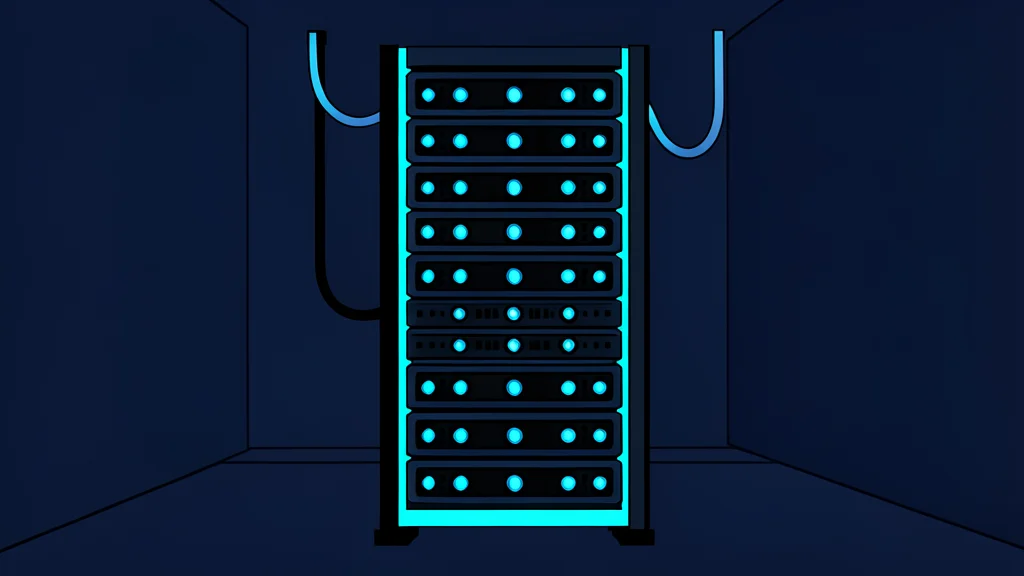
Huawei Cloud Stack is being repositioned to handle these new demands by integrating AI compute directly into the cloud fabric. The company claims this architecture allows for more efficient use of hardware, potentially boosting compute utilization from 30% to 70% through advanced pooling technologies. This means companies could get more out of their existing physical servers without buying new hardware, a significant cost saving for large-scale deployments.
However, this convenience comes with a trade-off. By centralizing management of AI agents, data, and models under one platform, enterprises rely heavily on the vendor’s ecosystem. While this reduces the complexity of managing separate IT silos, it also deepens dependency on Huawei’s specific tools and standards. For businesses already invested in other cloud providers, migrating to this unified system could be a disruptive and expensive process.
Data becomes a productivity driver
Beyond raw computing power, the new platform emphasizes the role of data in driving intelligent outcomes. Huawei is introducing tools that separate storage from compute, allowing companies to manage large volumes of multimodal data more flexibly. The goal is to turn raw enterprise data into a productive asset that AI agents can access and utilize in real time, supporting decision-making across various industries.
The company is also investing in specialized foundation models for specific domains, such as scientific computing and visual language processing. These models are designed to be integrated with industry-specific knowledge, enabling more accurate and relevant outputs. Yet, the effectiveness of these models depends on the quality of the underlying data. If an organization’s data is fragmented or poor quality, the AI agents built on top of it will struggle to deliver reliable results, highlighting the ongoing need for rigorous data hygiene.
Security challenges in agent ecosystems
As AI agents gain autonomy, security becomes a critical concern. Huawei Cloud Stack includes end-to-end protection features designed to cover the entire lifecycle of an agent, from development to deployment. This approach aims to prevent unauthorized actions or data leaks that could occur when agents operate with broad access rights.
Despite these measures, the rapid expansion of AI agents introduces new vulnerabilities. The more agents are deployed, the larger the attack surface becomes. Enterprises must balance the speed of AI adoption with the time required to implement robust security controls. According to GN auto tech/cloud: cloud infrastructure, this balance is the central challenge for organizations trying to stay competitive in the agentic era, where the line between automation and risk is constantly shifting.